The recent agreement between the Trump administration and pharmaceutical companies Eli Lilly and Novo Nordisk aims to expand affordable coverage for obesity drugs, a move that has been met with both praise and skepticism. While the initiative is expected to lower the prices of popular drugs like Ozempic and Wegovy, critics argue that the deal may ultimately benefit the pharmaceutical companies more than consumers.
Explainer Election Integrity and Voter Access in California: A Complex Landscape
What the Trump obesity drug deal promises
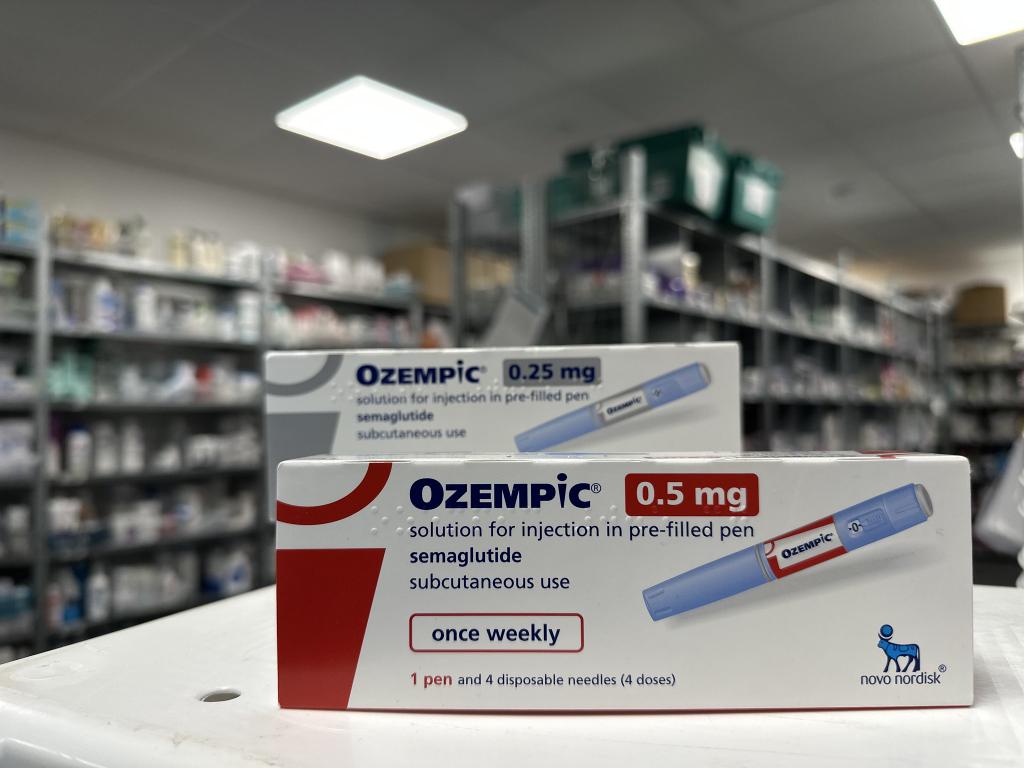
The White House announced that prices for Ozempic and Wegovy would decrease significantly, from $1,000 and $1,350 per month to $350 through a new direct-to-consumer platform called TrumpRx, set to launch next year. Additionally, Medicare prices for these drugs are projected to be $245, which is less than half of the prices proposed by the Biden administration.
Supporters of the agreement argue that it could give uninsured or underinsured patients access to treatments that were previously out of reach, potentially improving health outcomes for millions of Americans struggling with obesity.
Why analysts say Big Pharma still comes out ahead
However, a Wall Street Journal analysis suggests that these advertised discounts may not reflect the true cost dynamics in the pharmaceutical market. The effective prices that pharmaceutical companies receive after accounting for rebates and discounts are reportedly only 20% to 35% lower than current Medicare payments for Mounjaro, a drug used for diabetes.
The direct-to-consumer model is expected to benefit those without insurance coverage for GLP-1 drugs, who currently face inflated prices. Yet, the pharmaceutical companies may only experience a modest reduction in net revenue. Analysts note that the companies are shifting their profit strategy from high margins on fewer customers to lower margins on a larger customer base, which could ultimately enhance their market position.
This strategy could also create barriers for new entrants in the obesity drug market. By lowering prices, Lilly and Novo Nordisk may effectively protect themselves from competition, as new companies may struggle to justify higher prices necessary for research and development.
How the deal interacts with existing drug price trends
While the agreement promises wider access to obesity medications, it raises questions about whether it truly represents an improvement over existing market conditions. The Journal highlighted that competition among GLP-1 drugs had already driven effective prices down, suggesting that the market was already moving in a favorable direction without new intervention from Washington.
At the same time, the Centers for Medicare & Medicaid Services has been testing new payment models for high-cost drugs, part of a broader set of federal health spending debates. Critics contend that layering another politically branded deal on top of those efforts may add complexity without fundamentally changing incentives.
What it could mean for patients and future competition
The deal also includes provisions for expedited reviews of new oral GLP-1 drugs and tariff exemptions in exchange for increased investment in American manufacturing. Critics argue that such arrangements may further entrench the market power of Lilly and Novo Nordisk, limiting competition that could benefit consumers.
In summary, while the agreement may provide immediate relief for some consumers, the long-term implications for market competition and pricing dynamics remain uncertain. The involvement of government in pharmaceutical pricing negotiations has historically led to unintended consequences, and many believe that fostering competition may be a more effective way to drive down costs for consumers.
Chris Jacobs, founder and CEO of Juniper Research Group, emphasizes the need for a market-driven approach to healthcare, arguing that government interventions often complicate rather than simplify the landscape.