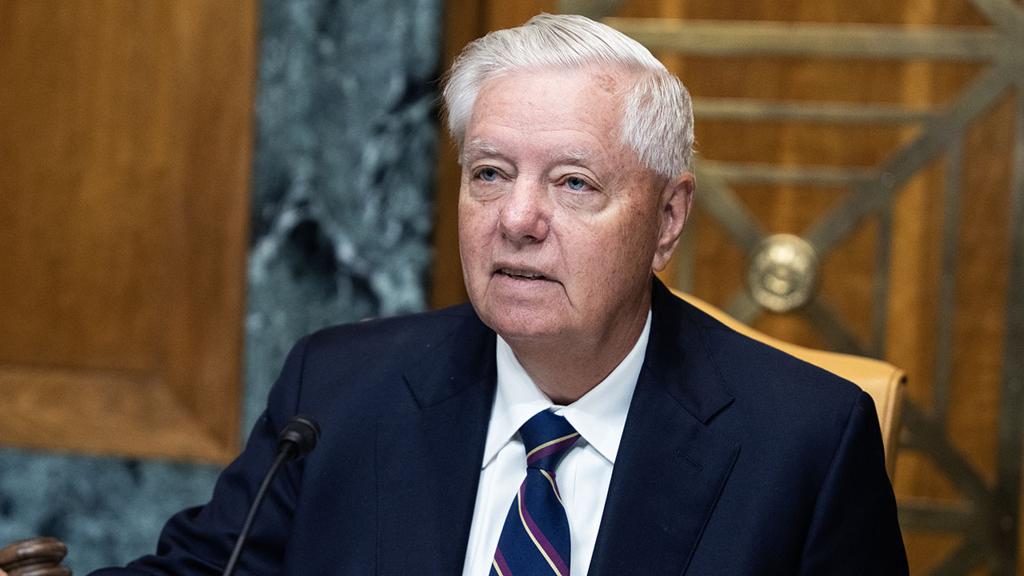
Sen. Lindsey Graham, a Republican from South Carolina, died Saturday evening following what his office described as a "brief and sudden illness." He was 71, according to a statement released early Sunday by his Senate office.
Explainer Understanding Public Safety Trends: Crime Declines and Rising Challenges for Law Enforcement
Graham's death leaves a vacancy in the U.S. Senate, reducing the Republican majority to 52 seats and prompting South Carolina officials to consider an interim appointment. The loss of Graham, a prominent figure in the Senate, comes at a time of heightened attention to party leadership and the balance of power in Congress.
Graham, who had represented South Carolina in the Senate since 2003, was known for his long tenure, military service, and his influence on national security and foreign policy issues. He was born in Central, South Carolina, and earned degrees in psychology and law from the University of South Carolina. Graham served in the Judge Advocate General’s Corps in the U.S. Air Force and later in the Air Force Reserve while in Congress, attaining the rank of colonel. In 2014, he was awarded the Bronze Star Medal for meritorious service, recognizing his contributions to the military and his dedication to public service.
Throughout his career, Graham was recognized for his willingness to work across the aisle, as well as his strong advocacy for military and defense issues. He was a frequent presence on cable news and often played a key role in high-profile Senate debates. Graham was also known for his close relationships with colleagues from both parties, and for his outspoken views on foreign affairs, judicial nominations, and national security.
Senate Vacancy and Next Steps
South Carolina Governor Henry McMaster, a Republican, is expected to appoint an interim senator to fill Graham’s seat. Under South Carolina law, the governor has the authority to name a temporary replacement until a special election can be held. In a statement Sunday, McMaster called Graham "irreplaceable" and described him as "the fiercest of fighters for South Carolina and America—and a loyal and steadfast friend."
"He was always working, and was a true American Patriot. Lindsey will be greatly missed!!!"
— President Donald Trump
Graham’s passing comes as Senate Minority Leader Mitch McConnell, R-Ky., remains hospitalized and continues his recovery, according to a spokesperson cited by WDRB. McConnell, 84, has been absent from the Senate due to illness, further highlighting the current uncertainty in Senate leadership. The combination of Graham’s death and McConnell’s absence leaves the Republican caucus without two of its most senior members, potentially affecting legislative priorities and the party’s ability to advance its agenda.
The process for filling Graham’s seat is expected to move quickly. Governor McMaster is likely to announce an interim appointment in the coming days, ensuring that South Carolina continues to have representation in the Senate. The timing of a special election to permanently fill the seat will be determined according to state law and the governor’s decision.
Graham’s Career and Legacy
Before his Senate tenure, Graham served in the South Carolina House of Representatives from 1993 to 1995 and in the U.S. House of Representatives from 1995 to 2003. During his time in Congress, Graham developed a reputation as a pragmatic lawmaker, often working with members of both parties on issues ranging from defense to judicial reform. He was one of the few senators never to marry, and was known for his dedication to his work and his state.
President Donald Trump praised Graham on Truth Social as “one of the greatest people and Senators I have ever known,” calling him “a true American Patriot.” Graham was a prominent supporter of Trump during his presidency, and the two maintained a close political relationship despite occasional policy disagreements.
Graham’s family has requested privacy as they mourn his loss, according to the statement from his Senate office. The office also expressed appreciation for prayers and support during what it called an “incredibly difficult period.” Tributes from colleagues, friends, and constituents are expected in the coming days as South Carolina and the nation reflect on Graham’s legacy.
Senate Dynamics and Response
Graham’s death reduces the Republican majority in the Senate and comes at a time when party leadership is already affected by McConnell’s absence. The process for appointing a successor is expected to begin soon, with Governor McMaster likely to name an interim senator in the coming days. The new appointee will serve until a special election is held, at which point South Carolina voters will choose a permanent replacement.
Democratic leaders have not yet issued public statements on Graham’s passing. The Senate is expected to address the vacancy and leadership questions as Congress reconvenes. In the meantime, Graham’s colleagues and constituents are remembering his decades of service and the impact he had on both his state and the nation.
Graham’s passing marks the end of a significant era in South Carolina and national politics. His influence on military, judicial, and foreign policy issues will be remembered, and the process to fill his seat is likely to draw attention from both state and national leaders in the weeks ahead.