Understanding Public Safety Trends: Crime Declines and Rising Challenges for Law Enforcement
Explore the evolving landscape of public safety in America, highlighting trends in crime rates, challenges faced by law enforcement, and the intersection with immigration policies and local governance.
Additional reporting by Oliver Brown, Samira Brooks
Public safety remains a cornerstone concern in American society, influencing everything from community wellbeing to political discourse. While recent data reveals encouraging reductions in overall violent and property crimes, there are stark complexities underlying these figures—particularly concerning assaults on law enforcement officers and the impacts of immigration enforcement policies. Understanding these nuances is critical for formulating effective, balanced responses that uphold both security and constitutional principles.
This explainer takes a deep dive into the current state of crime in the U.S., examining official crime statistics, law enforcement challenges, immigration-related controversies, and how local and federal policies intersect to shape public safety outcomes. Drawing upon recent events and our own coverage, it evaluates the progress made, existing risks, and the ongoing debates that conservatives must navigate in advocating for law and order.
National Crime Trends: Progress Amid Persistent Challenges
"Assaults on law enforcement officers reached a ten-year high, revealing the urgent need to restore respect for those who protect our communities"
Recent FBI statistics demonstrate a steady but cautious progress in reducing overall crime rates in America. Violent crime has declined by an estimated 3% compared to previous years, with a particularly sharp 11.6% reduction in murder and non-negligent manslaughter incidents and a nearly 9.4% drop in reported rapes. Property crimes followed suit with a 2.4% decrease. These statistics come from the FBI's official 2023 Crime in the Nation report, reinforcing the effectiveness of coordinated law enforcement efforts and community initiatives aimed at crime reduction over the last decade.
The significant downward trend, however, masks uneven realities across the country. While many areas enjoy safer streets, some urban centers continue to report rising levels of violent crime. The increased variance highlights how local policies and enforcement strategies can dramatically influence outcomes. For example, the positive effects seen from the deployment of the National Guard in Washington, D.C., underline the benefits of robust federal support working hand in hand with local police to restore order and public confidence without infringing on civil liberties.
One particularly concerning trend is the 12.6% rise in motor vehicle thefts, bucking the overall downward direction of property crime. This uptick is potentially driven by well-organized theft rings exploiting gaps in vehicle security technology and economic conditions that incentivize property crime. The increase in car thefts poses economic costs to communities and challenges law enforcement to develop specialized responses amid tightening budgets.
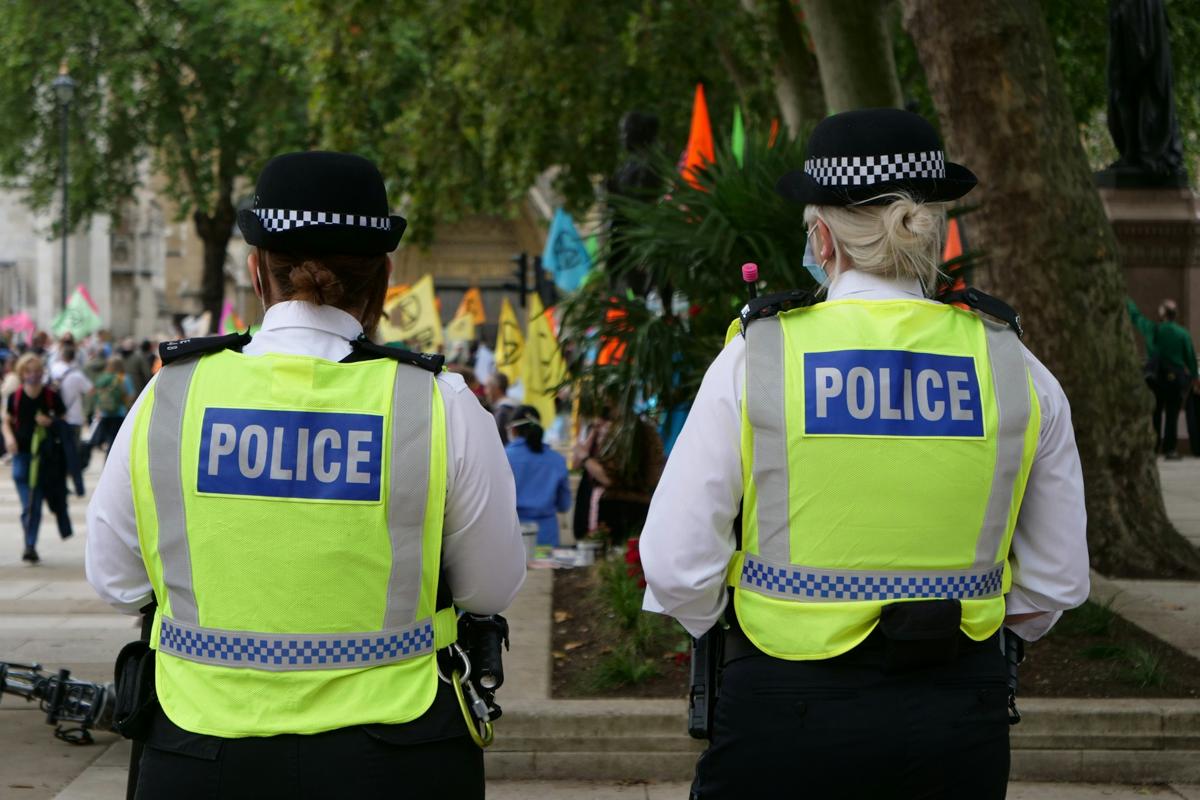
Perhaps the most alarming statistical outlier within this positive crime landscape is the ten-year high in assaults against law enforcement officers. With more than 79,000 reported incidents — including 466 involving firearms that caused injuries — the risks faced by police have increased markedly, threatening officer safety and morale. This data signals a dangerously fractious relationship between communities and the men and women charged with protecting them, a dynamic exacerbated by divisive political rhetoric that can sometimes appear to condone hostility toward law enforcement.
“Assaults on law enforcement officers reached a ten-year high, revealing the urgent need to restore respect for those who protect our communities,” notes the FBI Crime Report, 2023.
The contrasting trajectories between general crime decline and rising violence against police officers underscore the nuanced challenges law enforcement must address today.
Law Enforcement Under Siege: Rising Attacks and Political Complications
The sharp increase in attacks on law enforcement personnel represents more than statistical concern—it reflects a cultural and political crisis enveloping the role of policing in society. Officers face not only increased physical threats but also growing antagonism fostered by political narratives that paint police either as oppressors or as expendable. This toxic environment manifests in recruitment challenges and diminished morale, further eroding the effectiveness of policing agencies in safeguarding communities.
The problem is compounded in jurisdictions adopting policies perceived as soft on crime or openly hostile to federal immigration enforcement mandates. Chicago’s establishment of ICE-free zones has typified this tension, as local officials instructed police not to cooperate with federal immigration detainers. The resulting disputes between city authorities and federal agencies have complicated crime control efforts, leading to scenarios where potentially dangerous individuals evaded removal despite serious allegations. Our reporting on Chicago’s ICE-free zones highlights the operational challenges this fragmentation fosters.
Illinois Governor J.B. Pritzker’s public refusal to honor ICE detainers even in cases involving accused killers exemplifies how political leadership can interfere with law enforcement necessities. The case of the accused college student killer illustrates how political decisions at the state level may undermine public safety by limiting cooperation with federal authorities tasked with immigration enforcement and criminal prosecution.
Simultaneously, some police departments grapple with the fallout from the national debate around defunding the police. The erosion of support and resources for law enforcement not only demoralizes officers but limits preventive and reactive capacities at a time when threats are evolving and growing. Recruitment and retention problems, especially in high-crime areas, risk further deteriorating law enforcement presence just when it is most needed.
These defensive conditions feed back into the political discourse, where calls for stricter penalties and law-and-order approaches must contend with competing narratives advocating reform or reduced policing presence. Conservatives emphasize that respect for law enforcement authority and prosperity rely on a secure, well-supported police force capable of responding decisively to crime.
Immigration Enforcement and Crime: Navigating the Intersection
Immigration issues remain a contentious and complex dimension of public safety policy. Law enforcement agencies at all levels face difficulties balancing humanitarian considerations with the imperative to uphold immigration laws that contribute to community safety. The Department of Homeland Security has stepped up efforts, with increased arrests of criminal unauthorized immigrants, reinforcing the principle that crime prevention and national security are inseparable from vigorous immigration enforcement.
Opposition from activist groups and sanctuary jurisdictions fuels conflict, with accusations of racial profiling and civil rights violations often cited against federal agencies. However, numerous violent crimes associated with unauthorized immigrants underscore the conservative imperative to secure borders and enhance deportation effectiveness. Our in-depth coverage of DHS arrests amid political tensions and the consequences of weakened enforcement reflects the complexities of this debate.
More sobering still are the incidents of violence targeting ICE agents themselves. Rising aggression toward federal immigration officers threatens to disrupt enforcement operations and raises serious concerns regarding the safety of government personnel charged with upholding immigration laws. The debate over activist deaths amid these tensions, as detailed in our report on rising violence against ICE, underscores how polarized and dangerous this front of law enforcement has become.
In response, a number of conservative-led states have enacted or proposed laws mandating local police to fully cooperate with federal immigration efforts. Our recent analysis of red states requiring police assistance in deportations illustrates this drive to close enforcement gaps created by sanctuary policies and to restore unified crime-fighting strategies that bolster public safety.
These measures aim to ensure that offenders who commit crimes and subsequently face immigration violations are held accountable without jurisdictional loopholes that jeopardize community security.
The Media’s Role and Political Narratives in Public Safety
The media’s portrayal of crime significantly influences public perceptions, which in turn affect policymaking and community trust. Conservative critics frequently highlight how mainstream outlets selectively report incidents, shaping narratives that understate crime severity or omit coverage that contradicts liberal policy agendas. For instance, the underreporting of a serious stabbing in Charlotte, which did not fit prevailing political narratives, signals the need for a more balanced and transparent media approach, as we noted in our article about the Charlotte stabbing.
Conflicts over linking immigration to crime emerge in media coverage of incidents such as the Belfast attack, which ignited divergent interpretations steeped in ideological leanings. Conservatives argue that border security and law enforcement are paramount in preventing such acts, while alternative perspectives often emphasize socioeconomic or ethnic factors without adequately addressing the lawlessness involved.
Moreover, media scrutiny around policing policies and censorship influences narratives about crime and justice. Discussion of cases like Henry Nowak’s death show how concerns over governmental control of information can inhibit public understanding of crime dynamics and inhibit corrective policy action.
For conservatives, the media battlefield is not only about facts but about the narrative framing that either supports or undermines law enforcement and public safety. Therefore, efforts towards promoting independent journalism and transparency remain key to ensuring that public discourse reflects reality rather than political convenience.
Policy Responses and the Path Forward
The evolving public safety landscape calls for pragmatic yet firm policy responses rooted in the principles of law and order. Conservatives advocate reinforcing respect for law enforcement, enhancing criminal penalties to deter violent offenders, and ensuring immigration enforcement policies work effectively and consistently across all levels of government.
Increasing federal and state collaboration through enhanced funding, legal frameworks, and task forces can assist law enforcement agencies in addressing complex challenges, from violent crime spikes to organized vehicle theft rings. Our coverage of the National Guard deployment in D.C. exemplifies how targeted federal intervention can drive immediate and measurable reductions in crime when deployed responsibly and in cooperation with local authorities.
Resistance to policies weakening prosecutorial authority has also intensified, with conservative lawmakers opposing bills like the proposed elimination of mandatory minimum sentences for violent crimes in Virginia, which some Democrats support. Firm sentencing serves as both penalty and deterrent, a notion underpinned by evidence linking leniency to recidivism, as discussed in our coverage of Virginia’s sentencing proposals.
In addition to enforcement, rebuilding public trust through community policing, transparency, and engagement is vital. Such measures can help heal strained relationships between law enforcement and communities, fostering cooperation that is essential for effective crime prevention.
Looking ahead, the convergence of crime statistics, political dynamics, and media narratives poses ongoing challenges requiring vigilance, clear policy direction, and bipartisan support. Public safety is not merely a reflection of numbers but the foundation upon which free and prosperous societies depend. Addressing the rising threats to law enforcement, reinforcing immigration controls, and ensuring truthful public discourse will determine the durability of peace and security in communities nationwide.
Frequently asked questions
Why have assaults on law enforcement officers increased despite a general crime decline?
The rise in assaults against police stems from growing hostility, political rhetoric undermining policing, and increased tensions related to immigration enforcement and public protests.
How do motor vehicle theft trends differ from other property crimes?
While overall property crimes declined, motor vehicle thefts increased by 12.6%, likely influenced by factors such as economic conditions, targeted theft rings, and changes in vehicle security.
What is the impact of immigration enforcement policies on public safety?
Robust immigration enforcement helps remove criminal unauthorized immigrants from communities, which contributes to lower crime rates, but political resistance and sanctuary policies complicate enforcement effectiveness.
How do local governments’ immigration stances affect crime control?
Jurisdictions that limit cooperation with federal authorities can create enforcement gaps, potentially enabling repeat offenders to evade deportation and prosecution, negatively affecting local public safety.
Are there successful strategies for reducing crime that respect civil liberties?
Yes, coordinated federal-local law enforcement efforts, strategic deployments like the National Guard, and community partnerships have reduced crime without compromising constitutional rights.
How does media coverage influence public understanding of crime issues?
Selective media reporting can skew perceptions, either downplaying or sensationalizing crime, which impacts public opinion, policymaking, and trust in law enforcement.
What role does political rhetoric play in shaping public safety?
Rhetoric that either demonizes police or dismisses crime concerns can erode law enforcement morale, embolden criminal behavior, and hinder legislative efforts to maintain order.
Timeline of our coverage
- 2026-06-13 — Scottish Girl Vindicated After Assault Case In Dundee
- 2026-06-11 — Belfast Attack Sparks Debate Over Immigration and Media Coverage
- 2026-06-04 — Henry Nowak's Death Raises Concerns Over U.K. Censorship Policies
- 2026-05-26 — Justices Thomas and Alito Criticize SCOTUS for Not Hearing CDL Case Involving Unauthorized Immigrants
- 2026-04-15 — Driver Charged After Fatal Crash Involving Two Boys in South Carolina
- 2026-03-23 — Pritzker Signals He Won't Honor ICE Detainer for Accused College Student Killer
- 2026-03-06 — Federal Task Force Addresses Animal Abuse Crisis in Los Angeles
- 2026-02-25 — DHS Arrests Criminal Unauthorized Immigrants Amid Political Tensions
- 2026-01-27 — Debate Erupts Over Activists' Deaths Amid Rising Violence Against ICE
- 2026-01-26 — Shooting in Minneapolis Raises Tensions Over Immigration Enforcement
- 2026-01-23 — U.S. Murder Rate Declines to Historic Low Amid Policy Changes
- 2026-01-20 — Virginia Democrats Propose Bill to Eliminate Mandatory Minimum Sentences for Violent Crimes
- 2026-01-15 — Shooting Incident in Minneapolis Raises Concerns Over Law Enforcement Resistance
- 2025-12-10 — FDA Commissioner Confirms Review of Abortion Pill Mifepristone Underway
- 2025-12-05 — Families of Victims Call for Accountability Amid Immigration Policy Concerns
- 2025-11-13 — Red States Need To Require All Police To Help Deport Illegals
- 2025-10-30 — NY's Soft Laws Mean No Consequences For Murder Threats
- 2025-10-24 — NBC Is Helping Run Anti-ICE Ops For Dems
- 2025-10-07 — Chicago Establishes ICE-Free Zones Amid Rising Tensions with Federal Authorities
- 2025-10-03 — Plea Deals and Paperwork Errors Allow Alleged Killer to Remain Free
The Bottom Line
- Public safety underpins community stability and economic growth, making crime trends a vital measure of national wellbeing.
- Decreasing violent crime rates demonstrate progress but mask persistent risks and emerging threats to law enforcement.
- Rising assaults on police jeopardize officer safety and hinder effective crime prevention efforts.
- Immigration enforcement intersects critically with public safety, affecting legal, social, and political dynamics across jurisdictions.