The push for criminal justice reform in New York has raised concerns about public safety, particularly regarding repeat offenders. Recent incidents highlight the challenges faced by law enforcement in responding to threats made by individuals with criminal backgrounds. Timothy Philmon, a convicted sex offender, made threats against conservative figures, including Charlie Kirk, following a high-profile assassination. Philmon's posts on social media suggested a violent agenda, raising alarms about the implications of New York's lenient crime laws.
Explainer Public Safety and Crime Trends in America: Understanding the Landscape
Law enforcement officials reportedly expressed frustration over their inability to act decisively due to these laws, which critics argue prioritize the rights of criminals over public safety. A House Judiciary Committee report indicated that such policies endanger communities and embolden violent offenders.
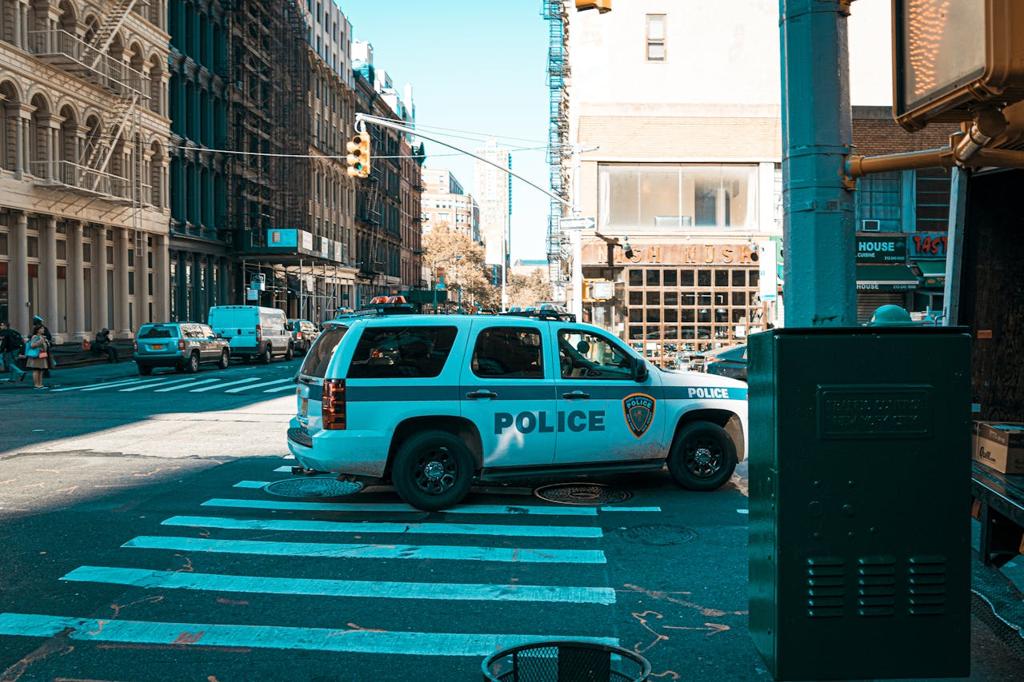
The situation has led to a decline in police morale and recruitment, with the New York Police Department experiencing its lowest headcount in over a decade. Critics of the current administration, including some within the Republican Party, argue that the Democratic Party's approach to policing and crime has created an environment where dangerous individuals feel empowered to act without fear of consequences.
The Democratic leadership in New York, including Governor Kathy Hochul, has faced scrutiny for their support of policies perceived as anti-law enforcement. Some argue that these policies contribute to a culture of lawlessness, where threats and violence are tolerated. The case of Philmon exemplifies the broader concerns about public safety and the effectiveness of current criminal justice policies.
Supporters of tougher crime policies assert that a balanced approach is necessary to ensure both justice and public safety. They argue that the current system fails to adequately address the needs of victims while allowing offenders to evade accountability.
The debate over criminal justice reform continues to be a contentious issue, with differing views on the best path forward. Proponents of reform argue for a more compassionate approach, while critics emphasize the need for a strong law enforcement presence to deter crime.
As the conversation around crime and punishment evolves, the impact of these policies on communities remains a critical concern for many New Yorkers. The ongoing challenges faced by law enforcement and the public highlight the complexities of balancing justice with safety in an increasingly polarized political landscape.