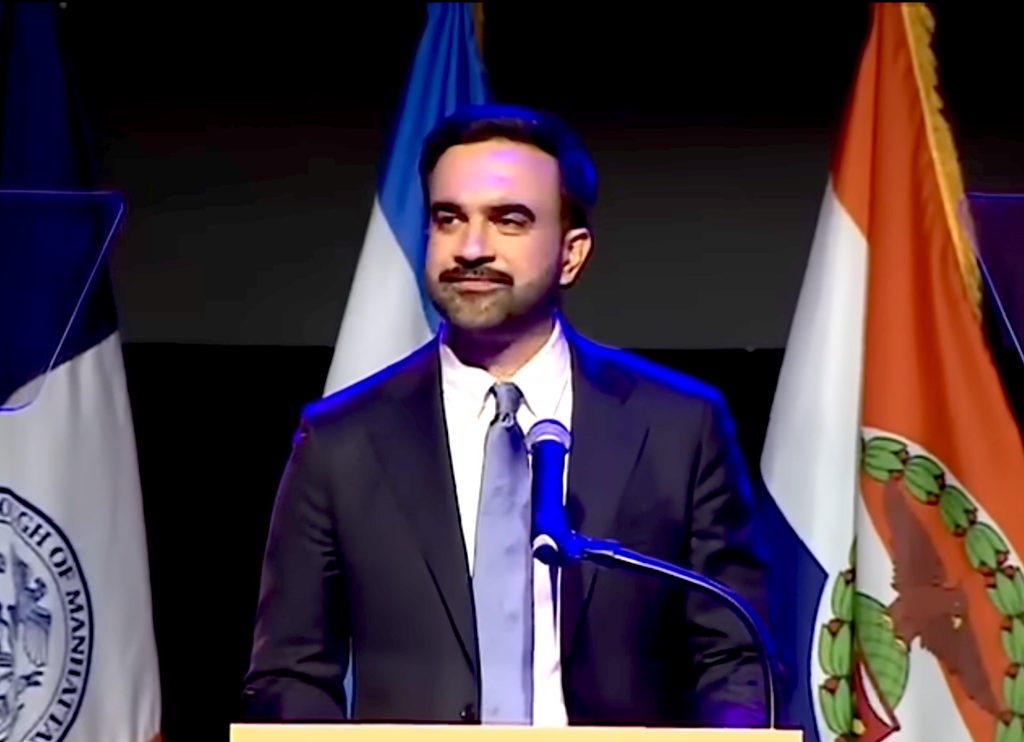
The New York Times editorial board recently expressed concern over the election of Zohran Mamdani, a self-identified communist, as mayor of New York City. In an editorial published late Tuesday, the Times congratulated Mamdani on his victory but urged him to temper his ambitious agenda with pragmatism and compromise. The editorial suggested that Mamdani should build a leadership team that includes officials with proven management skills rather than those aligned with democratic socialism.
Explainer Understanding Immigration Enforcement: Policies and Controversies
The editorial reflects a broader apprehension among some media outlets regarding the implications of Mamdani's policies, which critics argue could exacerbate existing issues in the city. The Times highlighted that Mamdani has the potential to improve life in New York, but only if he aligns his ambitions with practical governance.
Critics of the Times' editorial have pointed out that calls for pragmatism often translate into support for policies that have historically been unpopular among certain voter demographics, such as increased taxes and social programs. The editorial's plea for compromise suggests a desire for Mamdani to adopt a more centrist approach, which some believe could dilute his progressive platform.
The election of Mamdani comes at a time when New Yorkers are grappling with rising rents and a perceived decline in public safety. Reports indicate that rents in some of the city's wealthiest neighborhoods have surged by as much as 60% since the onset of the COVID-19 pandemic. This economic strain has led many residents to seek alternatives to the traditional Democratic leadership that has dominated the city for decades.
Mamdani's ascent can be seen as a response to the dissatisfaction with the status quo, particularly among younger voters who feel that their concerns have been overlooked. His campaign resonated with those who believe that existing policies have failed to address critical issues such as housing affordability and public safety.
The Times' editorial also reflects a broader trend in media coverage of political figures who challenge established norms. As Mamdani's victory signals a shift in the political landscape, it raises questions about the future direction of New York City's governance and the potential for more radical policies to take root.
As the city prepares for Mamdani's administration, observers will be watching closely to see how he navigates the challenges ahead. The editorial board's concerns may indicate a recognition that the political climate is changing, and that traditional approaches may no longer suffice in addressing the complex issues facing New Yorkers today.
In conclusion, Mamdani's election represents a significant moment in New York City's political history, one that could redefine the relationship between the electorate and their leaders. The response from major media outlets like The New York Times suggests that the implications of this shift are being closely monitored, as both supporters and critics await the new mayor's first moves in office.