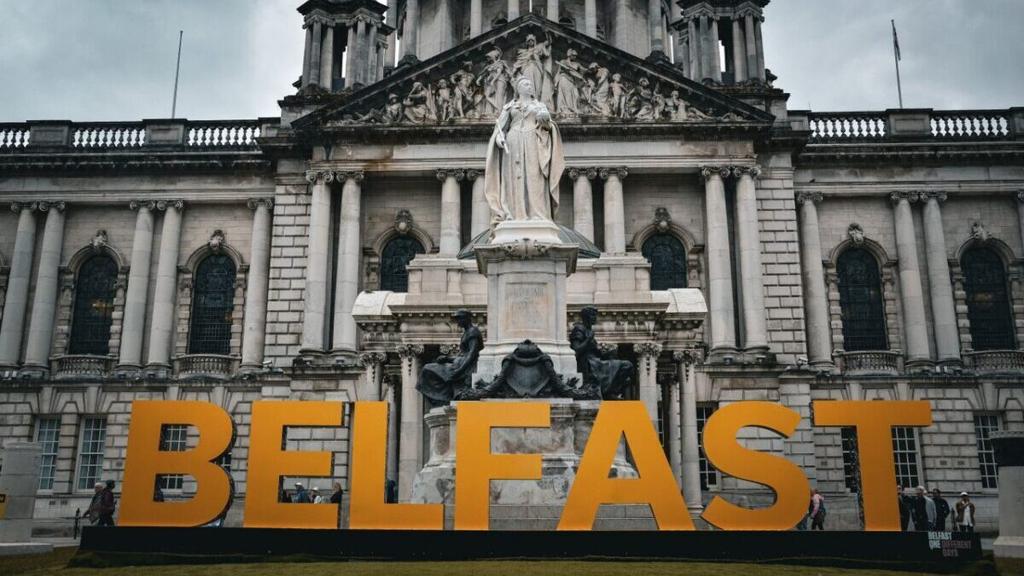
A Sudanese national allegedly attempted to behead a man in Belfast, Northern Ireland, on June 9, igniting a fierce debate over immigration policies and media coverage of violence. The incident, which involved a local resident named Steven Ogilvy, has drawn attention to the broader implications of the U.K.'s open border policies and the rising tensions surrounding immigration in the region.
Explainer Understanding Public Safety Trends: Crime Declines and Rising Challenges for Law Enforcement
The attack has raised questions about the safety of citizens and the effectiveness of current immigration controls. Critics argue that the incident highlights the potential dangers posed by unauthorized immigrants, while supporters of immigration policies contend that the focus should be on the actions of individuals rather than their nationality.
Video footage of the attack circulated widely on social media, showing the assailant attacking Ogilvy in a brutal manner. Eyewitnesses described the scene as horrifying, with one local resident stating she had "never seen anything like it" and felt "shaking in the street" while calling for help. The incident has left many in the community feeling unsafe and questioning the implications of immigration policies.
Media Coverage Under Scrutiny
The New York Times reported on the incident, but its framing has drawn criticism. The article, published on June 10, emphasized concerns about rising anti-immigrant sentiment rather than the violent nature of the attack itself. Critics noted that the report did not mention the word "beheading" until several paragraphs in and buried details about the suspect's background, including his Sudanese nationality and potential asylum fraud, deep within the text.
The Times described the attack in euphemistic terms, stating that the "attacker moves his hands near the neck of the victim," which many found inadequate given the severity of the incident. The article also focused on the reactions of immigrant communities in Northern Ireland, who expressed fears of rising xenophobia, rather than addressing the concerns of local citizens regarding their safety.
Rising Tensions and Public Response
The violent incident has sparked protests and unrest in Belfast, with some demonstrators clashing with police. Local authorities have reported increased tensions in the community, with some residents expressing frustration over the perceived lack of action from the government regarding immigration issues.
In response to the attack, a spokesperson for the local police stated, "We are aware of the concerns in the community and are taking steps to ensure public safety." However, the broader implications of immigration policies remain a contentious topic, with various groups voicing differing opinions on how to address the situation.
The New York Times also highlighted the role of far-right figures who allegedly spread misinformation about the attacker online. However, the article did not specify what this misinformation entailed, leaving some readers questioning the accuracy of the claims.
Broader Context of Immigration in the U.K.
The incident in Belfast is part of a larger trend of rising violence linked to immigration in the U.K. Critics argue that the influx of migrants from countries with differing cultural values has led to increased tensions and incidents of violence. Recent statistics indicate a significant rise in asylum claims from nations such as Sudan and Afghanistan, prompting calls for a reevaluation of immigration policies.
Supporters of immigration argue that the focus should remain on individual actions rather than generalizing about entire communities. They emphasize the contributions that immigrants make to society and the importance of maintaining a compassionate approach to those seeking refuge.
As the debate continues, the incident in Belfast serves as a stark reminder of the complexities surrounding immigration and public safety. Local leaders and policymakers are under pressure to address the concerns of their constituents while balancing the need for humane immigration practices.
The ongoing discussions reflect a broader societal struggle to reconcile the values of inclusivity and safety in an increasingly diverse landscape.