Social media has erupted in response to disturbing comments made by several nurses who have suggested violence against political opponents, including Immigration and Customs Enforcement (ICE) agents. These posts have prompted discussions about the implications for professionalism in the healthcare sector and the potential for disciplinary actions against those involved. The core issue revolves around the troubling behavior of some medical professionals who appear to express violent sentiments publicly, raising questions about the ethical standards expected in caregiving roles. Critics argue that such rhetoric undermines the trust placed in healthcare workers, while supporters of the nurses have not publicly addressed the backlash.
Explainer Free Speech Battles: Courts, Censorship, and Cultural Conflicts
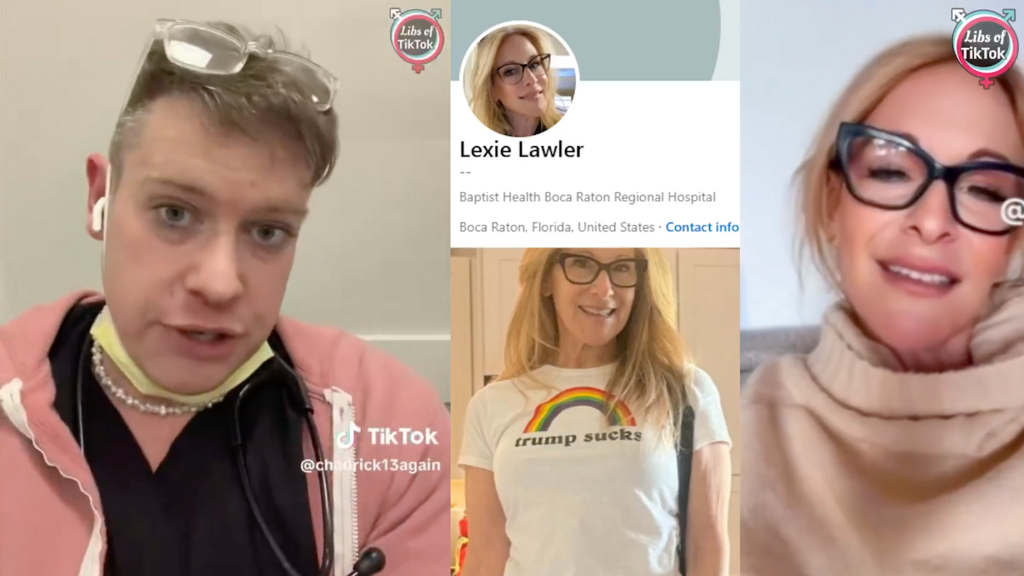
In recent days, multiple nurses have posted videos on social media platforms expressing wishes for harm against individuals they perceive as political adversaries. One notable case involved Lexie Lawler, a labor and delivery nurse from Florida, who wished disfiguring injury upon White House Press Secretary Karoline Leavitt during a video broadcast. Lawler stated, "I hope the upcoming birth of her child results in disabling genital injuries." This comment followed a similar expression of violence from another nurse, Chanda Petrey-Czaruk, who hoped for severe injury during the birth process. The fallout from these posts has been swift. Florida Surgeon General Joseph Ladapo issued an emergency suspension of Lawler's nursing license, while Petrey-Czaruk was reportedly fired from her position at an Ohio healthcare organization. The organization’s statement regarding her termination was vague, leaving some uncertainty about the timing of her departure.
Another nurse, Malinda Cook from Virginia Commonwealth University, suggested that nurses should administer laxatives to ICE officers to make them ill. She also encouraged colleagues to use succinylcholine, a drug known for its lethal potential, in their interactions with immigration enforcement agents. Such comments have raised alarms about the potential for abuse within the healthcare profession and the ethical implications of such suggestions.
Concerns Over Professionalism
The emergence of these violent sentiments among healthcare workers has sparked a broader conversation about the psychological profiles of individuals in caregiving professions. While some studies suggest that a minority of medical professionals may exhibit dark personality traits, the overall prevalence remains unclear. A 2015 study in the Canadian Medical Journal found that healthcare professionals scored lower on measures of narcissism and psychopathy compared to the general population, suggesting that such traits may not be as widespread as some fear. However, the recent incidents have led to concerns that negative personality traits may be underreported or overlooked within the medical community. Joshua Slocum, a commentator on the issue, noted that the public's trust in healthcare professionals could be eroded by such behavior. He stated, "It’s alarming that medical professionals feel comfortable expressing sadistic and violent impulses at odds with the Hippocratic Oath."
The Role of Social Media
The role of social media in amplifying these sentiments cannot be understated. The rapid spread of these videos has led to increased scrutiny of healthcare workers and their public conduct. Critics argue that the visibility of such posts may reflect a broader cultural shift in how medical professionals engage with their roles and responsibilities. Despite the backlash, some supporters of the nurses have not publicly addressed the criticisms or the implications of their statements. This silence raises questions about the accountability of healthcare professionals and the standards to which they are held.
As discussions continue, the swift actions taken against Lawler and Petrey-Czaruk may signal a growing intolerance for unprofessional conduct in the medical field. The potential for disciplinary measures serves as a reminder that healthcare workers are expected to uphold ethical standards, even in the face of personal beliefs or political disagreements. The incidents have prompted calls for a reevaluation of how healthcare professionals are trained to handle political discourse and personal opinions in their public lives. As the healthcare community grapples with these challenges, the need for clear guidelines and accountability remains paramount.