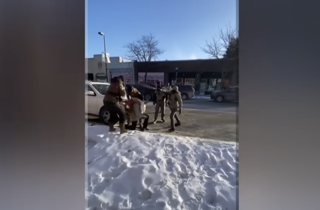
A 37-year-old man died in Minneapolis following a confrontation with federal immigration officers, prompting renewed scrutiny of the political climate surrounding immigration enforcement. This tragic incident has raised significant questions about the adequacy of law enforcement training and the broader implications of political rhetoric on public safety. The confrontation has become emblematic of the tensions surrounding immigration enforcement in the United States.
Explainer Public Safety and Crime Trends in America: Understanding the Landscape
The core tension lies in the contrasting responses from political leaders, particularly among Republicans, who appear to be retreating from their previously strong support for immigration enforcement amid rising violence against ICE agents. Critics of this shift argue that such a response could embolden further unrest and violence, creating a cycle of hostility that undermines public safety.
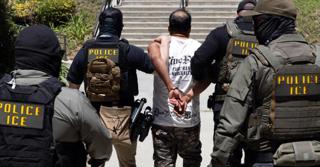
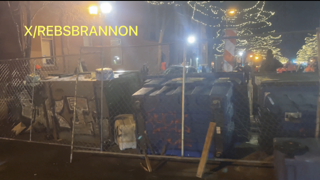
The confrontation that led to the man's death occurred in a politically charged environment, where opposition to Immigration and Customs Enforcement (ICE) has intensified significantly over the past year. ICE agents have faced increasing hostility, including physical attacks and threats, as activists have called for resistance to immigration enforcement. This growing animosity reflects a broader societal divide regarding immigration policy and enforcement practices.
Political Responses
In the wake of the incident, Oklahoma Governor Kevin Stitt expressed concerns about public sentiment regarding immigration enforcement. He questioned whether Americans truly support the deportation of all unauthorized immigrants, stating, "I don’t think that’s what Americans want," during a CNN appearance. Stitt also called on President Biden to clarify whether ICE should continue operations in Minnesota, highlighting the uncertainty surrounding immigration enforcement policies.
Alaska Senator Lisa Murkowski described the situation in Minneapolis as "shocking" and suggested that it raises serious questions about the training and directives given to immigration enforcement officers. Her comments reflect a growing concern among lawmakers about the effectiveness and safety of current enforcement practices.
Former Ohio Governor John Kasich criticized the administration's handling of the situation, stating, "antics in Minnesota are waking up the whole country," and lamented a perceived lack of justice and fairness in the current approach to immigration enforcement. His remarks underscore the frustration felt by some political leaders regarding the ongoing challenges in addressing immigration issues.
Escalating Violence
The backdrop of escalating violence against ICE agents has been alarming and cannot be overlooked. In December, an ICE facility in Los Angeles narrowly avoided a firebombing, and in September, an ICE vehicle was struck by bullets inscribed with anti-ICE messages, resulting in fatalities. Critics argue that such incidents reflect a broader trend of hostility fueled by political rhetoric that frames immigration enforcement as immoral and unjust.
House Minority Leader Hakeem Jeffries has drawn controversial comparisons, likening aggressive ICE actions to tactics used by Nazi Germany. Similarly, New York Representative Dan Goldman described ICE as employing "Gestapo-like tactics" in their enforcement efforts. These statements have drawn criticism from some who argue they contribute to a dangerous narrative that justifies violence against law enforcement, further complicating the national discourse on immigration.
Calls for Accountability
In light of the recent violence, some lawmakers have suggested that the rhetoric surrounding immigration enforcement needs to change. An unidentified House Democrat reportedly indicated that constituents feel "civility isn’t working" and that more aggressive actions may be necessary to draw attention to their cause. This sentiment reflects a growing frustration among some political factions regarding the effectiveness of traditional political discourse.
Despite the violence and chaos associated with anti-ICE protests, local Democratic leaders have faced criticism for their lack of response. This perceived inaction has led some to argue that it contributes to a culture where violence is seen as an acceptable means of political expression. The failure to address these issues adequately may further exacerbate tensions in the community.
Republicans have been accused of validating this environment by appearing to retreat from their support for law enforcement. Critics warn that this approach could further escalate tensions and violence, undermining public safety and the rule of law. While some Republicans have voiced concerns about the current state of immigration enforcement, others argue that a strong stance is necessary to deter violence and uphold federal law. As the debate continues, the implications of these incidents and the responses from political leaders remain a focal point in discussions about immigration policy and public safety, highlighting the complexities of navigating this contentious issue.