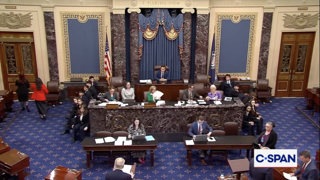
Senate Minority Leader Charles Schumer and House Minority Leader Hakeem Jeffries have issued a comprehensive list of demands as part of ongoing negotiations for funding the Department of Homeland Security (DHS), the federal agency responsible for overseeing immigration law enforcement. Their open letter, published on Wednesday, outlines ten specific conditions they assert are necessary for reaching a deal, which notably includes reforms to the procedures of Immigration and Customs Enforcement (ICE).
Explainer Understanding ICE: Enforcement, Operations, and the Immigration Debate
The core tension in these negotiations lies in the differing views on immigration enforcement. Democrats, led by Schumer and Jeffries, advocate for reforms that they argue are essential for protecting communities from the adverse effects of aggressive immigration enforcement. In contrast, critics of these proposals contend that such measures would hinder deportations and exacerbate the issue of illegal immigration. Schumer and Jeffries emphasized in their letter, "Federal immigration agents cannot continue to cause chaos in our cities while using taxpayer money that should be used to make life more affordable for working families."
The demands outlined by the Democratic leaders come amid ongoing debates regarding immigration policy and the funding for DHS, which has faced significant scrutiny over its handling of unauthorized immigrants. Critics argue that the proposed reforms could complicate deportation processes, thereby making it more challenging for ICE to effectively carry out its mandate.
Democratic Proposals
Among the ten proposals detailed by Schumer and Jeffries, some are perceived as reasonable, such as the call for body camera requirements for ICE agents during their operations. However, critics assert that many of the demands are strategically designed to obstruct deportations. One of the key proposals insists that ICE agents must verify a person's citizenship status before detaining them. Opponents of this measure argue that it would impede law enforcement efforts and create unnecessary barriers to effective immigration enforcement.
Another significant demand calls for ICE detention centers to provide immediate access to legal counsel for detainees. Critics contend that this could lead to prolonged judicial appeals, further delaying deportation processes and complicating the immigration system. Supporters of the proposals, however, argue that they are necessary to ensure due process and protect the rights of individuals navigating the immigration system, emphasizing the importance of legal representation in such cases.
Concerns Over Enforcement
The letter also includes requests for ICE agents to stop wearing masks during operations and to refrain from conducting activities near sensitive locations, such as courthouses and election centers. Critics view these demands as impractical and potentially dangerous, arguing that they could expose ICE agents to increased risks of harassment and violence from the public.
One critic noted, "Forcing their removal would only serve to make that easier," referring specifically to the mask requirement. The suggestion that law enforcement be restricted from operating near public legal facilities has also drawn skepticism, with opponents arguing that it undermines the enforcement of immigration laws and could lead to a lack of accountability for ICE actions.
Political Implications
The ongoing negotiations reflect a broader political struggle over immigration policy, with Democrats and Republicans sharply divided on how to effectively address unauthorized immigration and border security. While Democrats emphasize the need for reforms to protect communities and ensure humane treatment of individuals in the immigration system, critics assert that their proposals would ultimately weaken immigration enforcement and compromise national security.
As the discussions continue, it remains unclear how both parties will reconcile their differences. Supporters of the Democratic proposals have not publicly responded to the criticisms raised by opponents, leaving the debate open-ended as Congress approaches critical funding deadlines for DHS. The outcome of these negotiations could have significant implications for immigration policy and enforcement in the United States, as lawmakers grapple with the complexities of balancing security and humanitarian concerns in a politically charged environment.