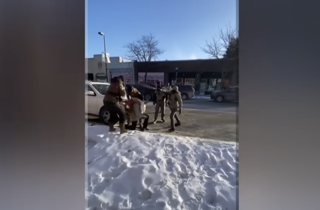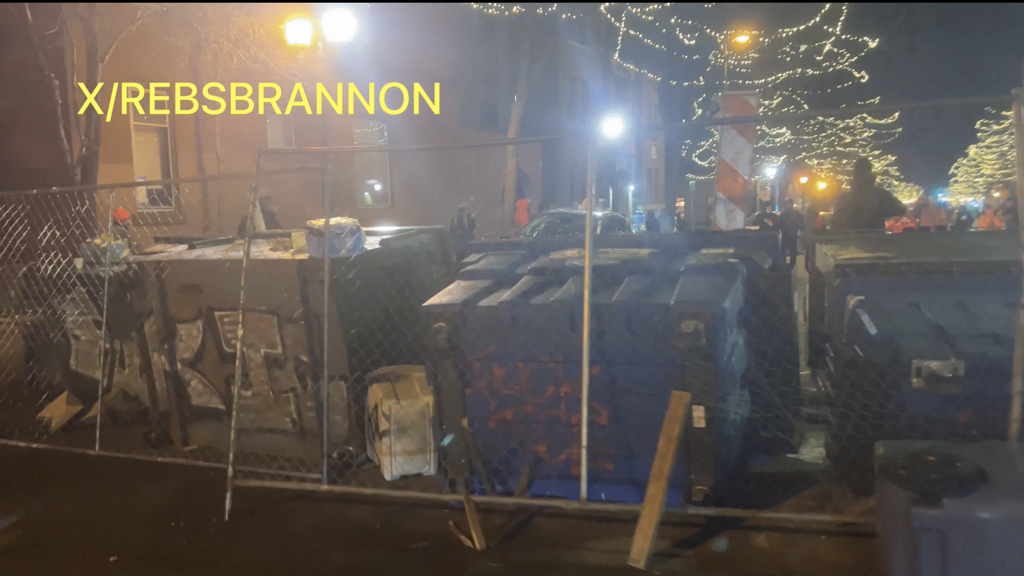
Protests against U.S. Immigration and Customs Enforcement (ICE) in Minneapolis have sparked significant debate over the concept of borders and immigration enforcement. Demonstrators have taken to the streets, setting up checkpoints to control access to public areas. According to reports from Fox News, anti-ICE protesters were stopping vehicles to determine whether drivers were affiliated with ICE, allowing only those deemed acceptable to pass through their makeshift barriers.
Explainer Understanding Immigration Enforcement: Policies and Controversies
This situation underscores a growing tension between calls for open borders and the practical implications of enforcing immigration laws. Critics argue that the actions of these protesters reveal a fundamental contradiction in their stance against federal immigration enforcement while simultaneously creating their own barriers to entry. This contradiction raises questions about the principles that guide the anti-ICE movement.
In recent weeks, Minneapolis has seen a notable rise in anti-ICE demonstrations. These protests have included the establishment of barricades that effectively created autonomous zones, areas where protesters have sought to assert control over public spaces. Such actions have led some observers to question the underlying principles of the anti-ICE movement, which often denounces the very concept of borders while simultaneously enforcing their own.
Billie Eilish, a prominent figure in the entertainment industry, contributed to the discourse during a recent Grammy acceptance speech. She stated, "No one is illegal on stolen land," expressing her opposition to ICE by saying, "F-ck ICE." However, the situation took a turn when Eilish faced an intruder on her property and sought legal protection to enforce boundaries. This incident highlights a perceived hypocrisy in the anti-border rhetoric that some activists espouse.
Hypocrisy in the Anti-ICE Movement
Critics of the anti-ICE movement argue that the protesters’ actions demonstrate a clear understanding of the necessity of borders, albeit selectively applied. The protesters’ chants of "ICE Out" suggest an acknowledgment that communities have the right to determine who is allowed to reside within them. This principle, however, seems to be rejected when it comes to federal immigration enforcement, leading to accusations of hypocrisy.
"These protesters fully understand the idea of exclusion," said Brianna Lyman, an elections correspondent at The Federalist. "They reserve it for federal agents enforcing laws they like, while pretending the same principle is immoral when applied to illegal immigration." This statement encapsulates the tension between the protesters' demands for open borders and their actions that imply a need for some form of border control.
Supporters of the anti-ICE movement argue that their actions are a response to systemic issues within the immigration enforcement framework. They contend that the focus should be on reforming immigration policies rather than enforcing existing laws that they believe disproportionately affect marginalized communities. However, officials from the anti-ICE protests did not respond to requests for comment regarding the contradictions highlighted by critics, leaving some questions unanswered.
The Role of ICE
ICE was established to enforce immigration laws that reflect the decisions made by Americans through a democratic process. The agency's existence is rooted in the belief that not everyone should be allowed to enter or remain in the country. Critics of the agency argue that its methods are often heavy-handed and disproportionately impact certain communities, while supporters maintain that ICE is essential for maintaining national security and public safety.
The irony of the current protests lies in the fact that while demonstrators advocate for open borders, their actions suggest a recognition of the need for some form of border enforcement. By creating their own checkpoints and barriers, the protesters inadvertently affirm the concept of borders, albeit in a context that aligns with their views on immigration enforcement.
As the debate continues, the Minneapolis protests serve as a microcosm of the broader national conversation about immigration policy, borders, and the role of enforcement agencies like ICE. The contrasting views on these issues reflect deep divisions within American society regarding immigration and public safety, raising questions about how to balance compassion with law enforcement.
The ongoing protests and the responses from various stakeholders will likely shape the future of immigration policy and enforcement in the United States. As communities grapple with the complexities of these issues, the dialogue surrounding immigration will remain a critical aspect of American political discourse.