Former President Donald Trump’s recent comments advocating for stricter immigration policies have reignited discussions about the effectiveness of historical immigration laws, particularly the Johnson-Reed Act of 1924. Critics argue that Trump's rhetoric mirrors the nativism of the 1920s, which sought to limit immigration based on national origin. This debate is not merely academic; it touches on fundamental questions about what it means to be American and how the nation defines its identity in the context of immigration.
The core tension lies in balancing national identity and immigration control against the need for a diverse and inclusive society. Supporters of Trump's approach assert that tighter restrictions could foster better assimilation among immigrants, potentially leading to a more unified national identity. However, opponents warn that such policies may lead to discrimination and social division, exacerbating existing tensions within the society.
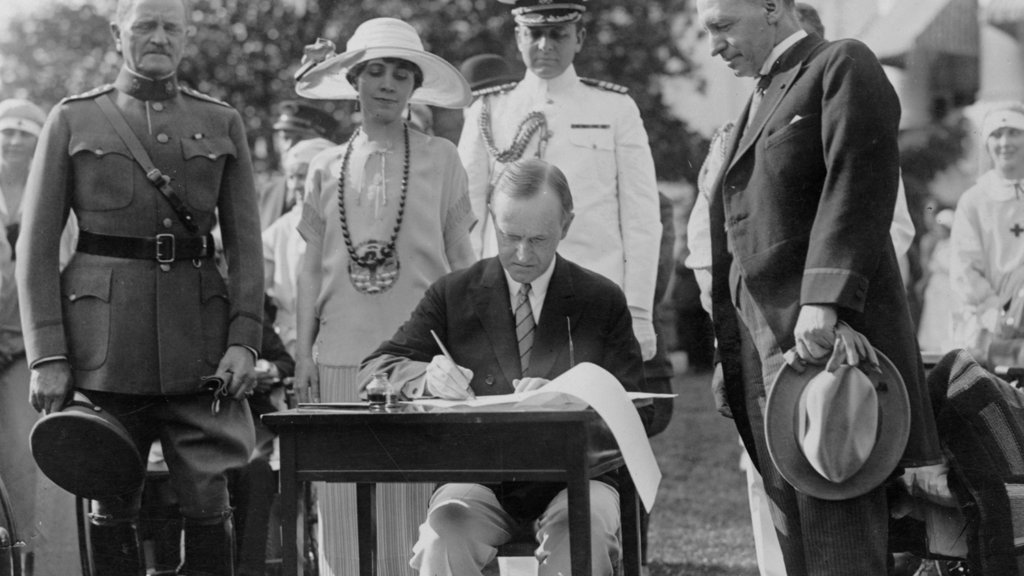
The Johnson-Reed Act was enacted during a time of significant immigration to the United States, with nearly 15 million immigrants arriving between 1900 and 1920. By 1920, about 13 percent of the U.S. population was foreign-born. Many Americans, particularly those whose families had been in the country for generations, expressed concerns that new arrivals would struggle to assimilate into American culture. This act dramatically reduced immigration numbers, particularly from Southern and Eastern Europe, and had lasting effects on the demographic makeup of the nation, shaping the discourse around immigration for decades to come.
Historical Context of Immigration Restrictions
The Johnson-Reed Act established quotas that limited the number of immigrants from certain countries, leading to a significant decline in immigration. For instance, the number of Italians entering the U.S. dropped from an average of 210,000 annually to just 4,000 after the act was implemented. Historian John Higham noted that while some support for these restrictions came from groups like the Ku Klux Klan, the broader sentiment reflected a desire among many Americans to maintain a homogeneous society. This desire was fueled by fears that the cultural differences of new immigrants would disrupt the social fabric of the nation.
Supporters of the act argued that a more uniform population contributed to national unity and stability. They claimed that the challenges faced during World War II were more manageable due to a shared national identity among citizens. Critics, however, contend that the act was rooted in xenophobia and racism, which undermined the nation’s foundational values of diversity and inclusion. This historical perspective raises questions about the motivations behind current immigration policies and the potential consequences of adopting similar restrictive measures today.
The Impact of Low Immigration
In the decades following the Johnson-Reed Act, the foreign-born share of the U.S. population fell to 11.6 percent by 1930 and reached a low of 4.7 percent by 1970. Proponents of restrictive immigration policies today suggest that a similar approach could help address current demographic challenges. They argue that high levels of immigration can hinder assimilation, as large groups may form isolated communities without the incentive to integrate into the broader society. This perspective emphasizes the belief that a controlled immigration policy could lead to a more cohesive national identity.
Critics of this view, including some immigration experts, caution that such policies could lead to societal fragmentation and economic decline. They argue that immigrants contribute significantly to the economy and cultural richness of the nation. Furthermore, they emphasize that successful integration often occurs over generations, and that diversity can strengthen national identity rather than weaken it. This ongoing debate highlights the complexities of immigration policy and the need for a nuanced understanding of its implications.
Current Immigration Debates
Trump’s recent statements have drawn mixed reactions from the public and political commentators alike. While some supporters argue that his approach could lead to a more cohesive society, detractors highlight the potential for increased division and discrimination. The debate continues to evolve, with various stakeholders weighing in on the implications of adopting policies reminiscent of the 1920s. As the nation grapples with issues of identity and immigration, the historical context of the Johnson-Reed Act serves as a reminder of the complexities involved in shaping immigration policy. The ongoing discussions reflect deep-seated concerns about cultural assimilation, national identity, and the future of America as a nation of immigrants. The lessons from the past remain relevant as policymakers consider the direction of immigration in the 21st century.