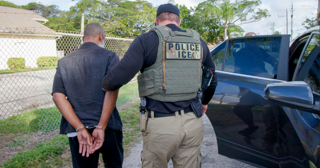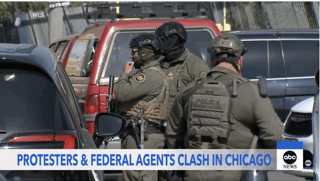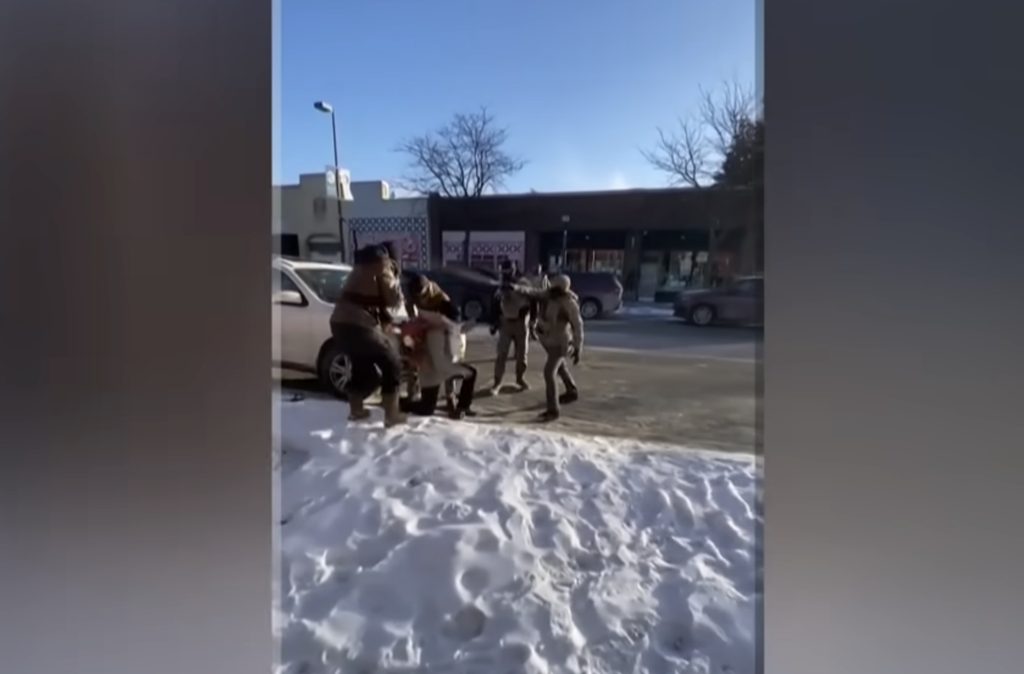
A recent incident in Minneapolis has raised significant tensions surrounding immigration enforcement after the death of a 37-year-old man, Alex Pretti, during an operation conducted by U.S. Immigration and Customs Enforcement (ICE). Pretti was shot by law enforcement officials after allegedly confronting agents while in possession of a firearm. Witnesses recorded parts of the encounter, but many details remain unclear as federal investigations are currently underway to determine the circumstances of the shooting.
Explainer Understanding ICE: Enforcement, Operations, and the Immigration Debate
This tragic event underscores the escalating tensions surrounding immigration enforcement in the United States, particularly in urban areas like Minneapolis, where protests against deportations have intensified in recent years. Critics of ICE operations argue that such confrontations highlight a growing divide between law enforcement and segments of the community that oppose deportations. The community's response to these operations reflects broader concerns about safety, justice, and the treatment of residents.
Pretti's death is not an isolated incident; just weeks prior, another individual was shot and killed in a similar confrontation with ICE agents. In both cases, individuals intervened during law enforcement operations, raising critical questions about the risks associated with such actions. Law enforcement officials emphasize that the use of force is a last resort, but the circumstances surrounding these events have sparked a heated debate about the appropriateness of current immigration enforcement tactics.
Community Response
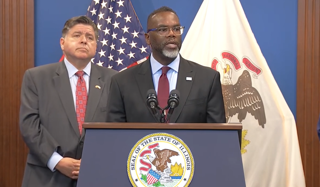
Democratic voters, particularly those in urban areas, have expressed strong opposition to deportations, viewing them as a critical issue that directly affects their communities. This sentiment is reflected in comments from local leaders. Minnesota State Senator Bobby Champion stated that the ongoing violence during these operations does not change his perspective on the need for proper treatment of residents, suggesting that community safety remains a priority. Champion's comments indicate a desire for a more humane approach to immigration enforcement that considers the well-being of all residents.
In contrast, some Republican leaders are calling for a reevaluation of immigration enforcement strategies. GOP Representative James Comer suggested that the federal government should reconsider its approach in Minneapolis. He stated, "If I were President Trump, I would think about maybe going to another city and let the people of Minneapolis decide if they want to have all these illegals and allow their Governor, AG, and Mayor to get away with this." This statement reflects a broader Republican sentiment that emphasizes stricter immigration policies and enforcement.
The Stakes of Immigration Policy
The current climate reflects a broader national debate over immigration policy and law enforcement. Supporters of stricter immigration enforcement argue that it is essential for public safety and the rule of law. They contend that the presence of unauthorized immigrants can lead to increased crime rates and strain on public resources. Critics, however, argue that aggressive enforcement tactics can lead to unnecessary violence and community unrest, as seen in the recent incidents.
The deaths of Pretti and others involved in confrontations with ICE have prompted calls for a reassessment of how immigration laws are enforced. Advocates for reform argue that community engagement and dialogue are necessary to address the underlying issues that lead to such tragic outcomes. They emphasize that the right to protest should not lead to violent confrontations with law enforcement, and that peaceful dialogue is essential for resolving these complex issues.
Looking Ahead
As investigations into the recent shootings continue, the debate over immigration enforcement is likely to intensify. Local leaders and community advocates are calling for a more nuanced approach that balances the need for public safety with the rights of individuals in the community. The ongoing tensions highlight the challenges faced by lawmakers as they navigate the complex landscape of immigration policy in America.
While some officials have yet to respond to the criticisms surrounding these incidents, the urgency for a constructive dialogue on immigration enforcement is becoming increasingly apparent. As communities grapple with the implications of these events, the need for effective policies that prioritize safety and justice remains a pressing concern. The path forward will require collaboration and a commitment to addressing the concerns of all stakeholders involved in this critical issue.