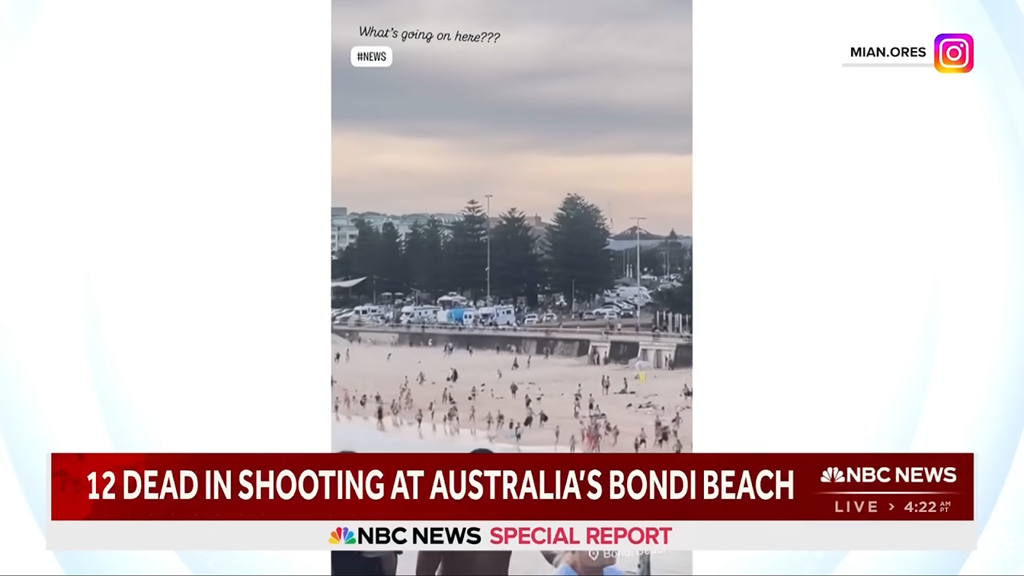
Two gunmen opened fire on a crowd at Bondi Beach in Australia during a Jewish festival, resulting in the tragic deaths of at least 15 people and injuring many others. The suspects, identified as Sajid and Naveed Akram, have drawn significant attention to ongoing debates about immigration and national security in Western nations, particularly concerning how these issues intersect with cultural integration and public safety.
Explainer Navigating Virginia's Electoral Landscape: Key Issues and Reforms
The incident has reignited discussions about the implications of mass immigration from regions with differing cultural norms and values. Critics argue that the influx of individuals from certain backgrounds, particularly those who may not have adequate assimilation measures in place, poses substantial risks to public safety and social cohesion. This incident has raised alarms about how effectively immigrants are integrating into Australian society and the potential consequences of failing to address these challenges.
Sajid Akram arrived in Australia from India on a student visa in 1998 and later became a permanent resident. His son, Naveed, was born in Australia and had previously been investigated by law enforcement for potential ties to terrorism. Prime Minister Anthony Albanese noted that the attack was “driven by” radical Islamic ideology, which highlights the growing concerns about the integration of migrants and the potential for radicalization within certain communities.
Calls for Gun Control
In the aftermath of the attack, Australian officials are considering stricter gun control measures as a response, rather than directly addressing immigration policies. Critics of this approach argue that focusing solely on gun control may not effectively prevent future acts of violence. “Rest assured, Australian authorities are prepared to take action in the wake of this terrible tragedy — just not the kind that would actually prevent barbarity like this from happening again in the future,” said a commentator on the situation, emphasizing the need for a more comprehensive strategy.
This incident is not isolated to Australia. Other Western nations, including the United States and France, are facing similar challenges related to immigration and public safety. In France, officials recently canceled a New Year’s Eve celebration, citing security concerns linked to immigration policies. Skeptics attribute this decision to fears of violence stemming from open-door immigration policies, which have been a point of contention in public discourse.
Broader Implications in the West
The United Kingdom is also grappling with the consequences of mass migration. Reports indicate that the government is prioritizing the regulation of speech over addressing the challenges posed by immigration. Critics argue that this reflects a broader trend of prioritizing political correctness over public safety. John Daniel Davidson of The Federalist has pointed out that the UK is following a similar path to Australia, focusing on cultural transformation rather than addressing the root causes of unrest and violence.
In the United States, the debate surrounding immigration has intensified as well. Senate Minority Leader Chuck Schumer criticized Senator Tommy Tuberville for suggesting that individuals who do not wish to assimilate should be sent back to their home countries. Tuberville's remarks have been labeled as “Islamophobic” by some, but supporters of his stance argue that it is essential to ensure that immigrants integrate into American culture and society to maintain social harmony.
The Debate on Assimilation
Proponents of stricter immigration policies argue that the lack of emphasis on assimilation has led to societal tensions and divisions. They contend that immigrants should adopt the cultural norms of their new countries to foster unity and understanding. “If a native-born American or European were to immigrate to a Middle Eastern country, he or she would be expected to adopt that nation’s cultural norms and practices,” one commentator noted, highlighting the expectation of cultural integration in many parts of the world.
While it is crucial to acknowledge that not all individuals of Middle Eastern descent should be blamed for the actions of a few, the ongoing discourse suggests that the West's immigration policies may require reevaluation. Critics assert that the current approach has been a failure, leading to increased violence and societal division, which could have been mitigated through better integration strategies.
As Western powers face these challenges, they are confronted with a significant choice: to reassess their immigration policies and prioritize cultural integration or to continue with current practices that some view as self-destructive. The recent attack at Bondi Beach serves as a stark reminder of the stakes involved in this ongoing debate about immigration, public safety, and the future of multicultural societies.