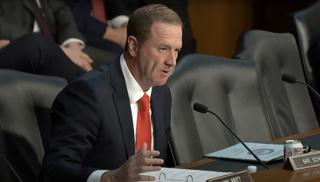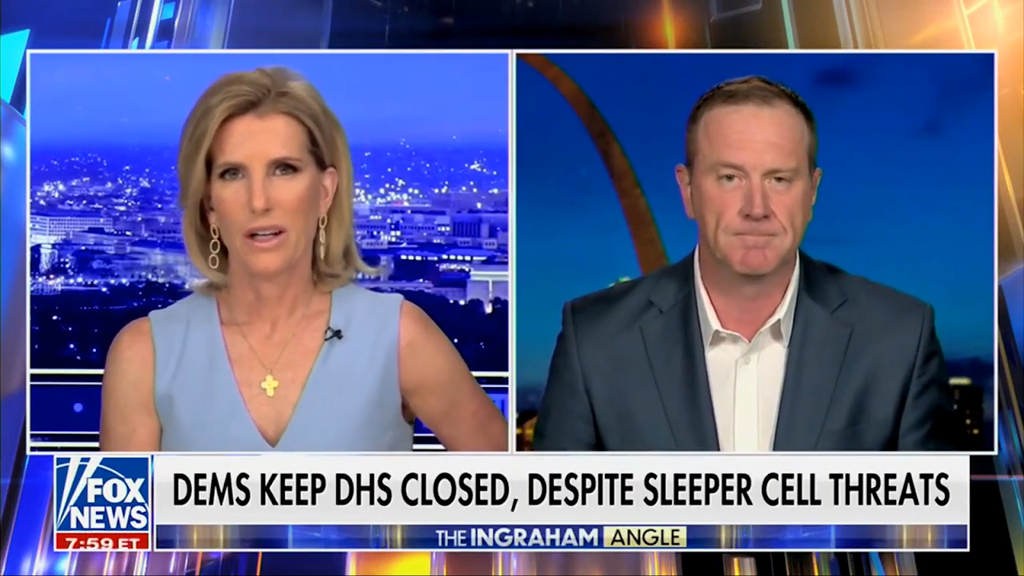
Senator Eric Schmitt, R-Mo., has called for urgent reforms to the United States' legal immigration system following two recent terrorist attacks carried out by naturalized citizens. Schmitt's comments were made during an appearance on Fox News' The Ingraham Angle, where he criticized the current immigration policies and the ongoing shutdown of the Department of Homeland Security (DHS), which he attributes to Democratic leadership.
The senator's remarks underscore a growing concern regarding national security and the perceived failures of the immigration system. Schmitt stated, "A lot of these people have come in legally. A lot of American workers have been displaced by foreign workers. A lot of American students have been displaced by these visa mills at universities and tax breaks that companies get after the fact." This statement reflects a sentiment among some lawmakers that the immigration system may not be adequately serving the interests of American citizens.
Recent Attacks
In Virginia, 36-year-old Mohamed Bailor Jalloh, a former Army National Guardsman originally from Sierra Leone, reportedly opened fire inside an Old Dominion University facility while shouting "Allahu Akbar." Jalloh had a previous conviction for supporting ISIS in 2017 but was released by the Biden administration in 2024. His attack tragically resulted in the death of Lt. Col. Brandon Shah, an ODU professor and ROTC program chair, who had served in the Middle East and was awarded two bronze stars for his service. This incident has raised significant concerns about the vetting process for immigrants and the implications of releasing individuals with extremist backgrounds.
In a separate incident in Michigan, Lebanese-born Ayman Mohamad Ghazali allegedly attempted to attack the Temple Israel synagogue in West Bloomfield using a vehicle. Ghazali entered the U.S. in May 2011 on an IR1 immigrant visa as the spouse of a U.S. citizen and became a naturalized citizen in February 2016. He was reportedly killed by members of the synagogue’s security team, with no casualties reported as a result of their intervention. This incident further highlights the ongoing debates surrounding immigration and national security.
Calls for Reform
Schmitt emphasized the need for stricter immigration controls, stating, "We need to make sure the border remains closed. The deportations need to continue, regardless of the Democrat[s] whining about it. … And then also, we need to reform our legal immigration system." His comments reflect a broader sentiment among some lawmakers who argue that current policies do not adequately protect American citizens from potential threats posed by individuals who may exploit the immigration system.
Critics of Schmitt's stance argue that an exclusive focus on legal immigration reform may overlook the complexities of the immigration system and the significant contributions that immigrants make to society. Supporters of the current administration's policies contend that the immigration system is designed to balance security with humanitarian considerations, although they did not respond directly to Schmitt's criticisms. This ongoing debate illustrates the challenges of addressing security concerns while also recognizing the value of immigrants in the fabric of American society.
Broader Implications
The recent attacks and Schmitt's subsequent remarks have reignited debates over immigration policy in the United States. Many lawmakers are now calling for a reassessment of how immigrants are vetted and the criteria for granting citizenship. The incidents have raised pressing questions about the effectiveness of existing measures to prevent individuals with extremist backgrounds from entering the country and the potential need for reforms to enhance security.
As discussions continue, the tension between security and immigration reform remains a pivotal issue for lawmakers on both sides of the aisle. Schmitt's call for reform may resonate with constituents concerned about national security, but it also faces pushback from those who advocate for a more inclusive approach to immigration. The ongoing debate underscores the challenges of balancing national security with the principles of a nation built on immigration. As the situation evolves, lawmakers will need to navigate these complex issues to address both security concerns and the needs of immigrants seeking a better life in the United States.