A shooting incident at the White House Correspondents’ Association dinner on Saturday has raised significant concerns about political rhetoric and safety in the current political climate. The alleged shooter, 31-year-old Cole Allen, reportedly did not target journalists but instead aimed at U.S. representatives, according to his manifesto. This detail has sparked discussions about the implications of inflammatory rhetoric in political circles and the responsibility of public figures in shaping discourse.
The incident underscores ongoing tensions surrounding political violence, particularly as it relates to the current political environment. Allen’s manifesto indicated that he prioritized administration officials as targets, which has led to a renewed focus on how political leaders communicate and the potential consequences of their words.
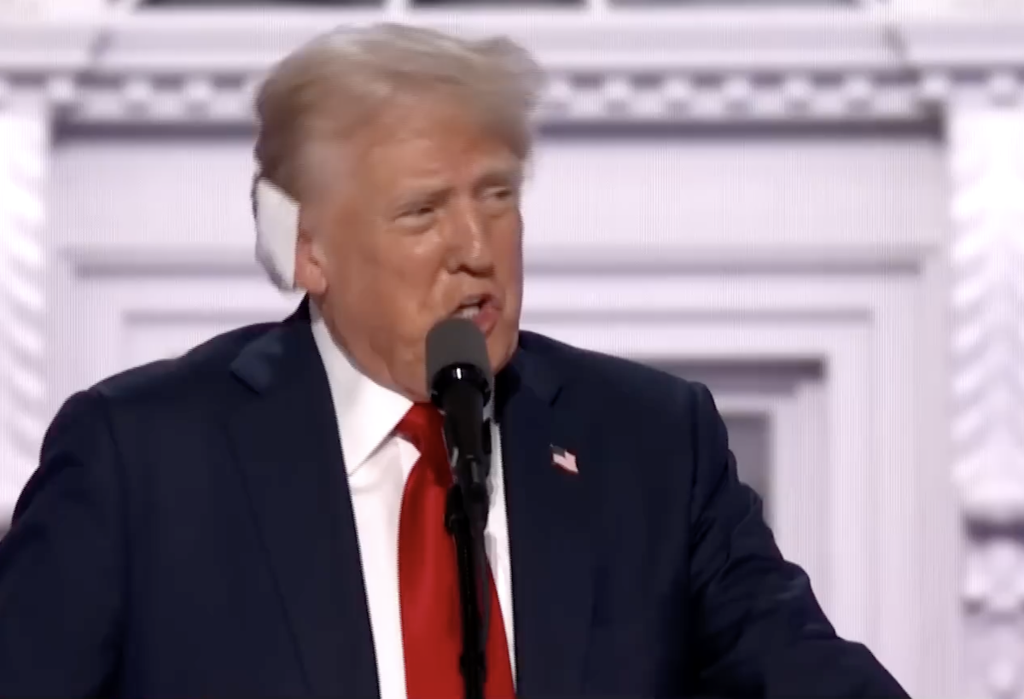
In the aftermath of the shooting, which resulted in one Secret Service agent sustaining minor injuries, former President Donald Trump expressed his concerns during an interview with CBS’s Norah O’Donnell. Trump reacted strongly to O’Donnell’s questioning about the shooter’s characterization of him as a “pedophile, rapist, and traitor.” He called her a “disgrace” and stated, “the hate speech of the Democrats … is very dangerous.” This exchange highlights the contentious nature of political discourse and the heightened emotions surrounding such incidents.
Media Coverage and Criticism
Critics have noted that media coverage of the incident may focus more on Trump’s response than on the motivations behind the shooting. Some commentators argue that if the shooter had targeted journalists instead, the narrative would differ significantly. Trump’s supporters have pointed out that the media often downplays threats against him while amplifying criticism of his rhetoric, suggesting a bias in how these events are reported.
CNN’s Manu Raju criticized Trump for his reaction to O’Donnell’s questions, suggesting that he “erupted” inappropriately during the interview. Raju’s comments were echoed by Eli Stokols, who described Trump’s focus on Democrats as “incredibly selective.” In contrast, Trump and his supporters argue that the media is not adequately addressing the dangers posed by violent rhetoric from the left, claiming that the focus should be on the actions of the shooter rather than political blame.
Calls for Reflection
Following the incident, CNN’s Chuck Todd emphasized the role of the president in setting the national tone and called for self-reflection from Trump. He stated, “Presidents set the thermostat for the country,” and suggested that it is the president’s responsibility to dial down divisive rhetoric. Critics of Trump’s approach argue that he should take greater accountability for the current political climate and the potential for violence that may arise from it.
In response to these criticisms, Trump’s team has not issued a formal statement addressing the specific claims made by media figures. Supporters argue that the focus should remain on the shooter’s actions rather than on political blame, emphasizing the need to understand the motivations behind such violent acts.
Broader Implications
The shooting incident has reignited discussions about political violence and the responsibilities of public figures in shaping discourse. Many observers are concerned that the current political environment may foster further acts of violence, particularly as tensions escalate leading into the 2026 elections. The potential for political violence raises questions about how leaders communicate and the impact of their words on their supporters.
As investigations into Allen’s motives continue, the conversation around political rhetoric and its consequences remains critical. Experts suggest that addressing the underlying issues of political violence requires a collective effort from all sides of the political spectrum, emphasizing the need for a more constructive dialogue.
The incident at the White House Correspondents’ Dinner serves as a stark reminder of the potential consequences of heated political rhetoric and the urgent need for a more civil discourse in American politics. As the nation moves forward, it is essential for leaders and citizens alike to reflect on the impact of their words and actions in fostering a safer political environment.