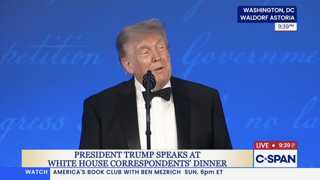
A man armed with a shotgun, a handgun, and multiple knives breached security at the Washington Hilton Hotel during the White House Correspondents' Dinner on Saturday. This alarming incident has raised serious questions about the effectiveness of the Secret Service, particularly in safeguarding high-profile events that involve government officials. Authorities have identified the suspect as 31-year-old Cole Allen from California, who reportedly targeted members of the Trump administration during the event. Notably, former President Donald Trump, Vice President J.D. Vance, and several cabinet members were present at the time of the breach.
Security Breach at White House Correspondents' Dinner Raises Concerns
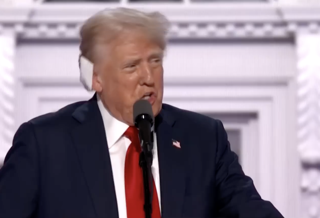
The security breach highlights ongoing concerns about the protocols surrounding high-profile events involving government officials. Critics argue that this incident reflects a troubling pattern of security failures that have endangered public figures in the past. In a similar incident less than two years ago, a would-be assassin managed to shoot Trump during a rally in Pennsylvania, resulting in the death of a bystander. Despite the gravity of that event, questions about the adequacy of security measures at such gatherings remain largely unanswered.
Background and Reactions
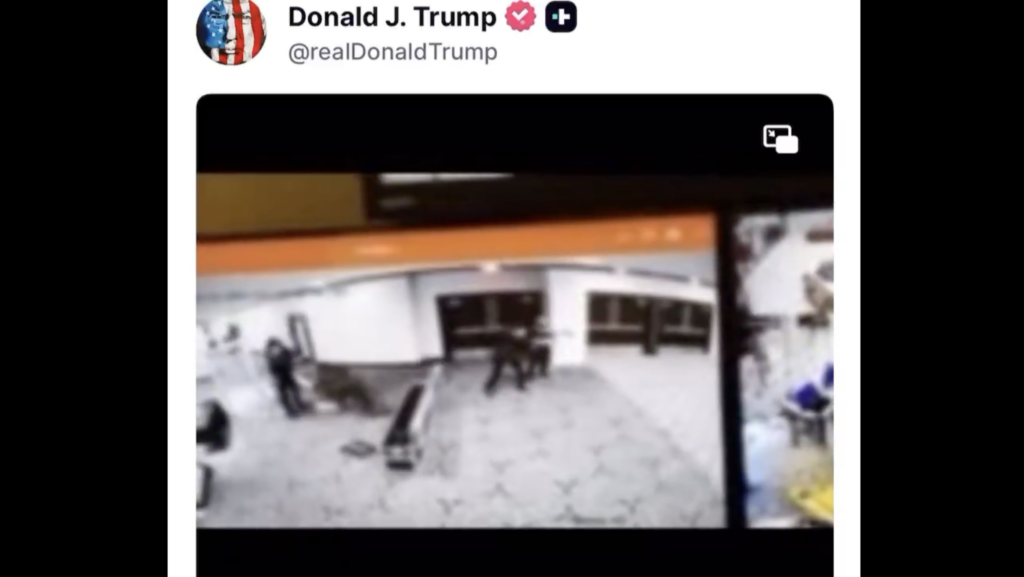
At the White House Correspondents' Dinner, Allen was subdued by law enforcement after shots were fired. Fortunately, reports indicate that he was not struck by gunfire during the incident. Eyewitness accounts reveal that guests were not thoroughly vetted before entering the hotel, raising alarms about the adequacy of the security measures that were in place.
"Noteworthy that hotel guests at the Hilton aren’t vetted — anyone could have checked in earlier this week with checked bags full of weapons," tweeted Lydia Moynihan of the New York Post. She emphasized that access to the event only required an invitation, which can be easily forged, thus questioning the integrity of the security protocols.
Katie Pavlich from NewsNation pointed out that there were no checkpoints at street level. She stated, "This checkpoint was only one level up from the ballroom; the stairs down to the ballroom are yards away." Pavlich expressed gratitude for the rapid response of law enforcement but noted the serious security lapses that allowed the suspect to get so close to the event, raising further concerns about the overall safety of attendees.
An attendee of the dinner reported feeling uneasy due to the lack of security checks, saying, "There were no security or bag checks which I thought was suspicious. Everyone was ushered in and shoved through the doors to make way for Secret Service/dogs. Tickets were barely looked at." This sentiment underscores the growing unease among attendees regarding the effectiveness of the security measures in place.
The incident raises critical questions about how an armed individual could rent a room at the hotel and bring weapons onto the premises without detection. Critics are demanding answers regarding the lack of a hardened perimeter and comprehensive security measures leading up to the event. While the Secret Service did respond effectively to the immediate threat posed by Allen, many argue that this does not absolve them of responsibility for the security failures that allowed the situation to escalate to such a dangerous level.
One commentator noted, "What if the would-be assassin had been carrying a bomb or other explosive device? A device detonated just outside the magnetometer may not have breached the ballroom, but it could have caused mass casualties and chaos nonetheless." This highlights the potential for even greater tragedy had the circumstances been different.
Supporters of the Secret Service have not publicly addressed these criticisms, leaving many questions unanswered about the agency's preparedness for such high-stakes events. The incident at the Washington Hilton serves as a stark reminder of the ongoing challenges in ensuring the safety of public officials and the pressing need for robust security protocols that can effectively mitigate threats in the future. As discussions continue, it remains imperative for security agencies to reassess and strengthen their measures to prevent such breaches from occurring again.