A recent shooting incident involving a woman in Minneapolis has drawn significant scrutiny following an analysis published by The New York Times. This analysis challenges the official account provided by the Trump administration regarding the events that transpired during a law enforcement operation targeting individuals associated with Immigration and Customs Enforcement (ICE). The incident has sparked a heated debate about the accuracy of media reporting and the accountability of law enforcement actions.
Explainer Understanding Immigration Enforcement: Policies and Controversies
The core tension surrounding this incident revolves around differing interpretations of the events leading to the shooting of Renee Nicole Good. Good was shot after allegedly attempting to evade arrest during the operation. Critics of the Times' analysis argue that it misrepresents the facts surrounding the incident, while supporters contend that it highlights potential misconduct by law enforcement officers involved in the operation.
According to a report published on January 7, the Times stated, "A New York Times analysis of videos of the shooting contradicts the Trump administration’s account." The analysis suggested that several key aspects of the government’s narrative were questionable. In particular, it raised concerns about the positioning of law enforcement officers at the time of the shooting, which is a critical factor in understanding the context of the incident.
Incident Overview
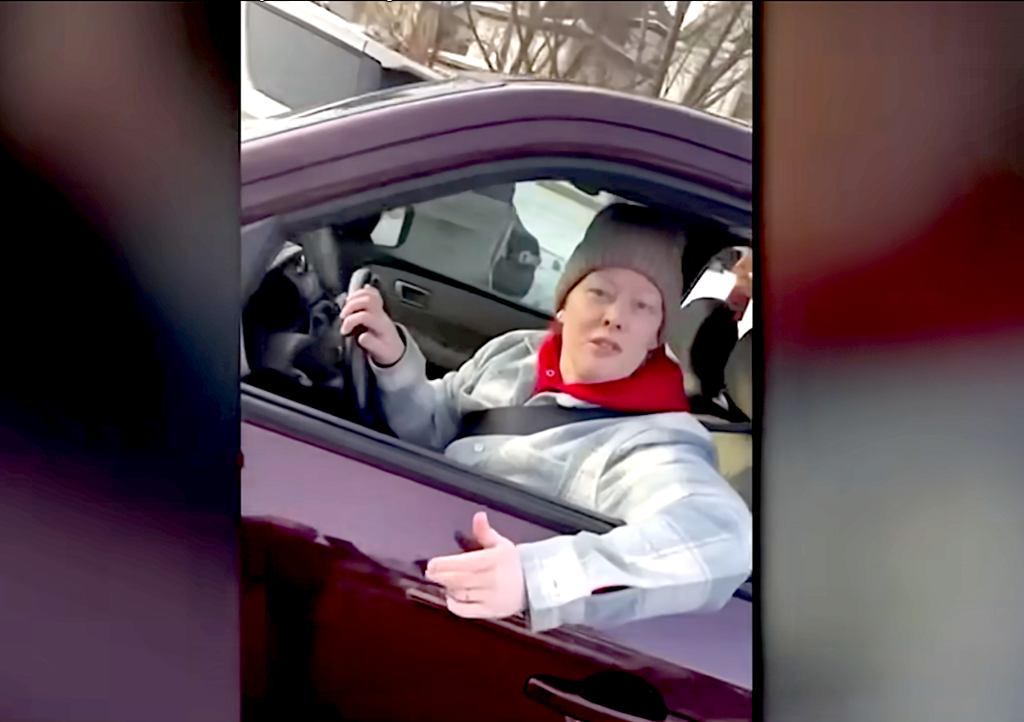
Witnesses reported that Good was driving her Honda Pilot in a manner that obstructed traffic when officers approached her vehicle. As they commanded her to exit, she allegedly reversed her vehicle and then accelerated forward, striking one of the agents. In response to this perceived threat, the officer, who had drawn his weapon, fired multiple rounds. Following this exchange, the SUV subsequently crashed into a parked car, further complicating the situation.
The Times' analysis included footage from various angles, stating, "[A] Times analysis of footage from three camera angles showed the motorist was driving away from — not toward — a federal officer when he opened fire." This assertion has been met with skepticism by some commentators, who argue that the analysis lacks credibility and may not fully account for the chaotic nature of the situation.
Media Criticism
Eddie Scarry, a columnist for The Federalist, criticized the Times' approach, suggesting that the analysis was merely a subjective interpretation by journalists rather than an authoritative examination of the facts. He stated, "How insulting for some content creators, sitting comfy in their climate-controlled offices, to render their judgment on a highly combustible event." Scarry emphasized that the actions of Good, regardless of her intent, posed a danger to those present during the incident. This perspective highlights the complexities involved in assessing law enforcement responses in high-stakes situations.
Supporters of the Times' analysis argue that it serves as an important check on law enforcement practices, particularly in high-stakes situations involving potential use of force. They contend that media scrutiny is essential for accountability and transparency in law enforcement actions. However, officials from the Trump administration have not publicly responded to the specific claims made in the analysis, leaving some questions unanswered.
Broader Implications
This incident raises broader questions about the role of media in reporting on law enforcement actions and the narratives that emerge from such events. The differing interpretations of the shooting reflect ongoing tensions surrounding immigration enforcement and the public's perception of law enforcement's use of force. As the debate continues, the implications of the Times' analysis may influence public opinion on law enforcement practices and the media's role in shaping narratives around contentious issues. The lack of a response from officials involved in the operation leaves room for further discussion and analysis of the events that transpired in Minneapolis, underscoring the importance of ongoing dialogue about accountability and transparency in law enforcement.