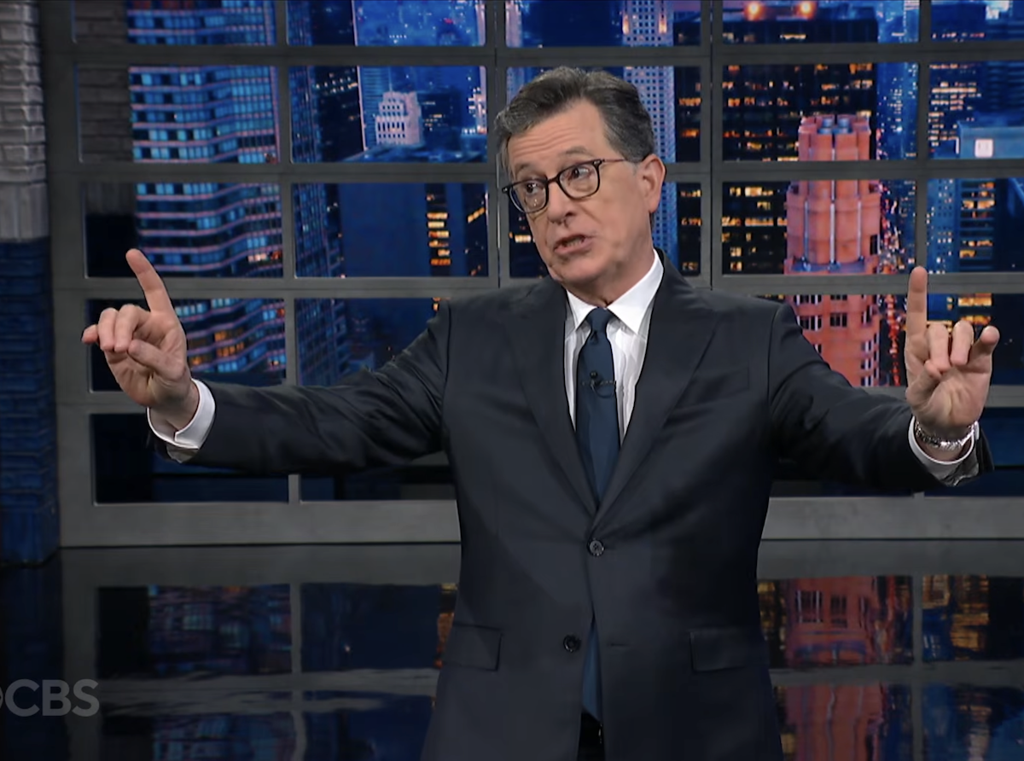
Stephen Colbert's tenure as host of CBS's The Late Show has come to an end, with the network officially announcing the show's cancellation. This decision follows reports of significant financial losses, which are estimated at around $40 million annually, alongside growing criticism regarding the show's content and its overall appeal to viewers. The combination of these factors has led CBS to reassess the viability of the program in its current form.
The core tension surrounding the cancellation lies in the ongoing debate over Colbert's effectiveness as a late-night host and the show's overall impact on its audience. Critics argue that Colbert's comedic approach failed to resonate with a broad spectrum of viewers, while supporters of the show have not publicly addressed these criticisms, leaving a gap in the conversation about its merits.
Colbert, who gained fame for his satirical portrayal of a conservative pundit on The Colbert Report, struggled to replicate that success on CBS. Observers noted that his attempts to engage with political topics often fell flat, failing to generate the same level of interest and engagement that characterized his earlier work. Eddie Scarry, a columnist at The Federalist, succinctly summarized this sentiment, stating, "Colbert is a non-factor, not funny, and most important, not interesting."
Financial Struggles
The financial implications of Colbert's show were significant, with CBS reportedly losing millions each year due to its underperformance in ratings and viewer engagement. Scarry pointed out that if Colbert had been effectively influencing political discourse, the network might have been more willing to absorb the losses associated with the show. He remarked, "Trust me, if the show had been losing that much but Colbert was influencing politics, CBS would have eaten the cost." This highlights the expectation that a late-night host should not only entertain but also engage meaningfully with current events and political discussions.
Despite the criticism, some supporters of Colbert's work argue that late-night television has become increasingly polarized, making it difficult for any host to appeal to a broad audience. They contend that the landscape of late-night comedy has shifted significantly, and hosts are often judged through a political lens, which complicates their ability to connect with viewers who may hold differing views.
Comparisons to Competitors
Colbert's competitors in the late-night landscape, such as Jimmy Kimmel and Bill Maher, have also faced scrutiny but have managed to maintain their shows despite challenges. Kimmel, for instance, has been noted for his emotional moments and controversial remarks, which have kept him in the public eye and relevant in the late-night conversation. In contrast, Colbert's approach has been described as lacking the same dynamism and ability to engage audiences effectively. Scarry compared Colbert unfavorably to Maher, stating, "Bill Maher is a left-wing comedian who is both funny and interesting. Trump attacks him all the time, and HBO has shown no interest in taking Maher off the air. It’s because he’s worth it. Colbert isn’t worth it." This comparison underscores the competitive nature of late-night television and the varying degrees of success among its hosts.
As the late-night landscape evolves, Colbert's departure raises questions about the future of political satire on television. While some may celebrate the end of his show, others may view it as a sign of the challenges faced by hosts attempting to navigate a divided audience. The cancellation reflects a broader trend in the industry, where the ability to engage viewers in a politically charged environment is increasingly critical to a show's survival.
Conclusion
The cancellation of The Late Show marks a significant moment in late-night television, reflecting broader trends in audience preferences and the challenges of engaging viewers in a politically charged environment. As CBS moves forward, the network's next steps in late-night programming will be closely watched, especially in light of the shifting dynamics in comedy and political discourse. The future of late-night television may depend on how well hosts can adapt to these changes and connect with an audience that is more fragmented than ever before.