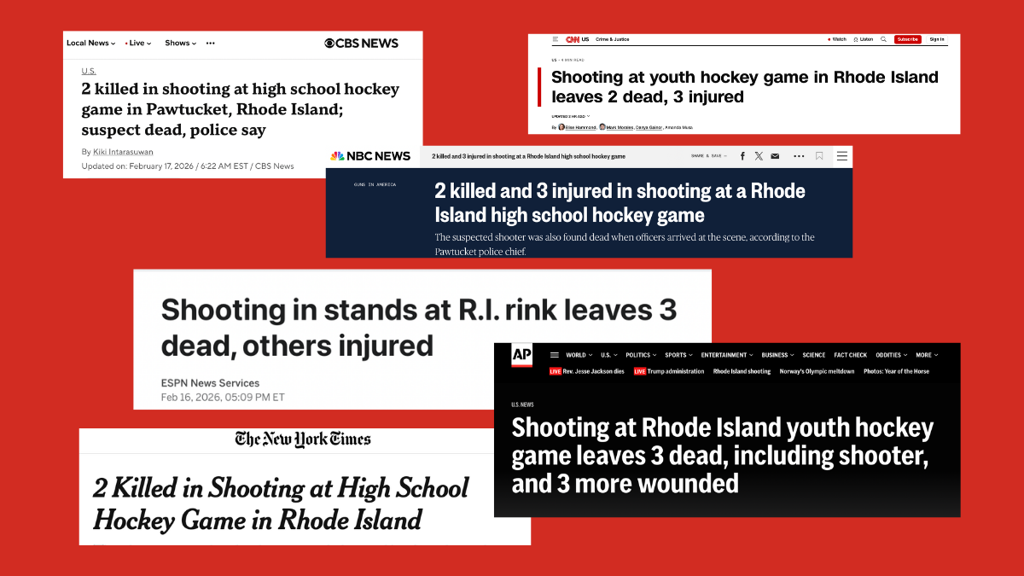
A shooting at a youth hockey game in Pawtucket, Rhode Island, resulted in the tragic deaths of two individuals, including the shooter’s son, Robert Dorgan, who identified as a transgender woman. This incident has sparked significant discussions regarding how major media outlets report on the identities of individuals involved in violent acts, particularly when those identities intersect with contentious social issues such as gender identity and violence.
Explainer Understanding the Transgender Discourse: Rights, Policies, and Challenges
Critics argue that the media's handling of Dorgan's transgender identity reflects a broader reluctance to engage with uncomfortable narratives surrounding violence and gender. Dorgan, who underwent gender confirmation surgery in 2020 and was known as Roberta Esposito, reportedly threatened to "Go BERSERK" in a social media post just hours before the shooting, which he carried out during a family dispute at the rink.
Key Details
According to various reports, Dorgan's gender identity had been a source of tension within his family, contributing to disputes leading up to the tragic event. Pawtucket Police Chief Tina Goncalves stated that Dorgan’s “status” as a transgender individual “really doesn’t have anything to do with the investigation.” This perspective has been echoed by several major news outlets, which have largely downplayed Dorgan's identity in their coverage of the incident.
Background and Reactions
In a report by the New York Times, journalists Neil Vigdor and Thomas Gibbons-Neff included minimal details about Dorgan’s background, mentioning only that he “also went by the name Roberta Esposito.” Critics have noted that this approach fails to provide necessary context about the shooter’s motivations and the implications of his identity in relation to the violence that occurred.
Media Responses
The Associated Press's coverage similarly referred to Dorgan as the “shooter” without elaborating on his history or the social dynamics at play. Kim Kruesi, the AP reporter, noted that Dorgan “also went by the name Roberta Esposito,” but did not delve into the significance of this identity in the context of the shooting. Critics argue that this omission reflects a bias in how media outlets prioritize narratives that align with their editorial perspectives.
Other outlets, including NBC News and CNN, have faced scrutiny for their handling of Dorgan's identity. NBC's Doha Madani and Phil Helsel delayed identifying Dorgan until the seventh paragraph of their report, while CNN's coverage described the event in passive terms, avoiding direct references to Dorgan’s identity until later in the article. This pattern has led to accusations of media bias, with some commentators suggesting that outlets are more willing to discuss transgender issues when they do not involve violence.
Broader Implications
The reluctance to fully address Dorgan's identity has raised important questions about the media's responsibility in reporting on violent incidents. Some experts argue that understanding the complexities of an individual's identity can provide valuable insights into the motivations behind violent acts. However, others contend that focusing on identity may detract from the broader issues of gun violence and public safety, which are critical in discussions surrounding such tragedies.
In the aftermath of the shooting, discussions have emerged about the potential consequences of framing such incidents through the lens of identity politics. Critics assert that failing to acknowledge the role of Dorgan's transgender identity in the context of the shooting may hinder a comprehensive understanding of the factors that contribute to violence in society.
Supporters of the media's approach argue that focusing on the individual's actions rather than their identity is essential to avoid stigmatizing marginalized communities. They contend that the emphasis should be on the crime itself rather than the identity of the perpetrator, especially in sensitive cases involving mental health and family disputes, which can complicate the narrative.
Conclusion
As the investigation continues, the shooting at the Rhode Island hockey game serves as a poignant reminder of the complexities surrounding identity and violence in contemporary society. The media's handling of such narratives will likely remain a point of contention as stakeholders grapple with the implications of reporting on sensitive social issues. While some outlets have faced criticism for their coverage, others maintain that their focus on the act of violence itself is justified, emphasizing the need for a balanced approach in reporting that respects both the victims and the complexities of identity.