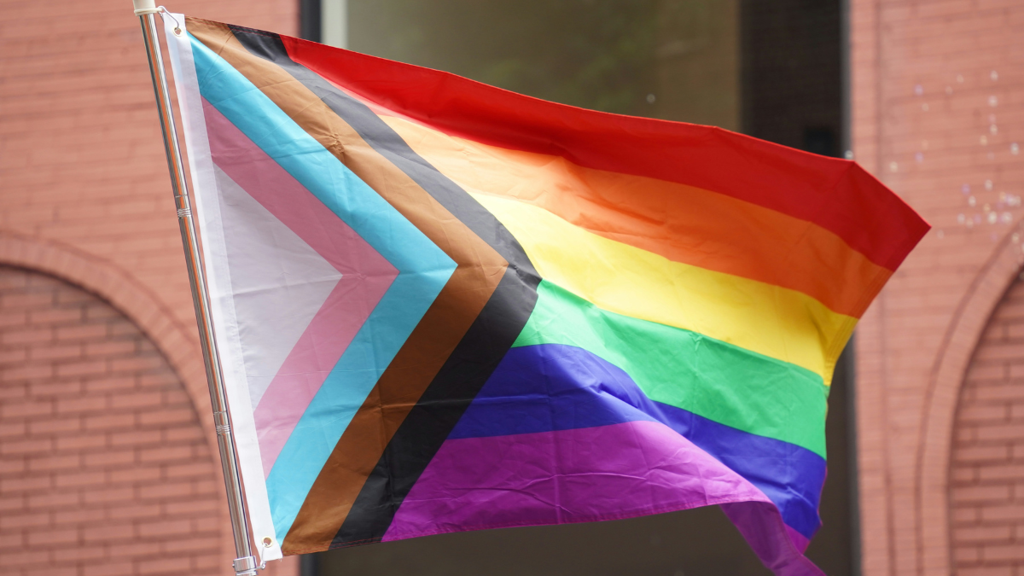
The recent Transgender Day of Remembrance highlighted ongoing tensions surrounding transgender issues, particularly in the context of media coverage and political discourse. Critics argue that the left, including major media outlets, remains deeply invested in promoting transgender ideology despite growing opposition from conservative circles.
Explainer Navigating Virginia's Electoral Landscape: Key Issues and Reforms
During the Trump Administration, significant strides were made against transgender policies, including the International Olympic Committee's decision to ban male athletes from competing in women's sports. This move was reportedly influenced by pressure from former President Trump, who has also criticized Vice President Kamala Harris's support for transgender medical procedures for detained migrants, a stance that some believe contributed to her campaign's struggles.
The Washington Post recently published an editorial responding to an updated report from the Department of Health and Human Services on the treatment of gender dysphoria. The editorial questioned the ethics of subjecting adolescents to hormonal and surgical interventions, stating, "it is not ethical to subject adolescents to hormonal and surgical interventions … until and unless the state of the evidence suggests a favorable risk/benefit profile for the studied intervention." This statement has drawn attention for its implications regarding the treatment of minors.
CNN's Leah Asmelash expressed confusion over the White House's stance on "gender ideology" and "trans ideology," questioning the meaning of these terms. She noted, "What does that mean?" This reflects a broader uncertainty within some media circles regarding the implications of current political rhetoric surrounding transgender issues.
In a separate CNN article, the network memorialized eight transgender individuals who died in the past year, framing their stories within the context of violence and societal challenges faced by the transgender community. The piece suggested that the Trump administration's policies have contributed to the struggles of transgender Americans, stating, "For transgender Americans, this year’s memorials will take on particular poignance, as the Trump administration and conservative lawmakers have taken great strides to restrict how they can live publicly and privately."
Critics argue that such narratives often lack substantiated evidence linking violence against transgender individuals to political opposition. They contend that the media's portrayal of these issues can sometimes serve to reinforce a specific ideological viewpoint rather than provide an objective analysis of the facts.
The ongoing debate over transgender issues is further complicated by political dynamics. Some Democratic politicians, like Abigail Spanberger, have faced scrutiny for their responses to issues of women's safety in spaces where transgender individuals are present. Spanberger has been criticized for not explicitly supporting the need for women-only spaces in light of incidents involving transgender individuals in schools.
As the left continues to advocate for transgender rights, the implications of these policies remain contentious. The media's portrayal of transgender issues, particularly in the context of violence and discrimination, raises questions about the balance between advocacy and factual reporting.
The left's commitment to transgender ideology, despite its declining popularity in some segments of the population, suggests a persistent alignment between political agendas and media narratives. Critics warn that this alignment may have broader consequences for societal discourse and policy-making.