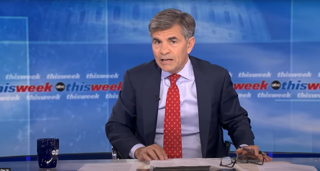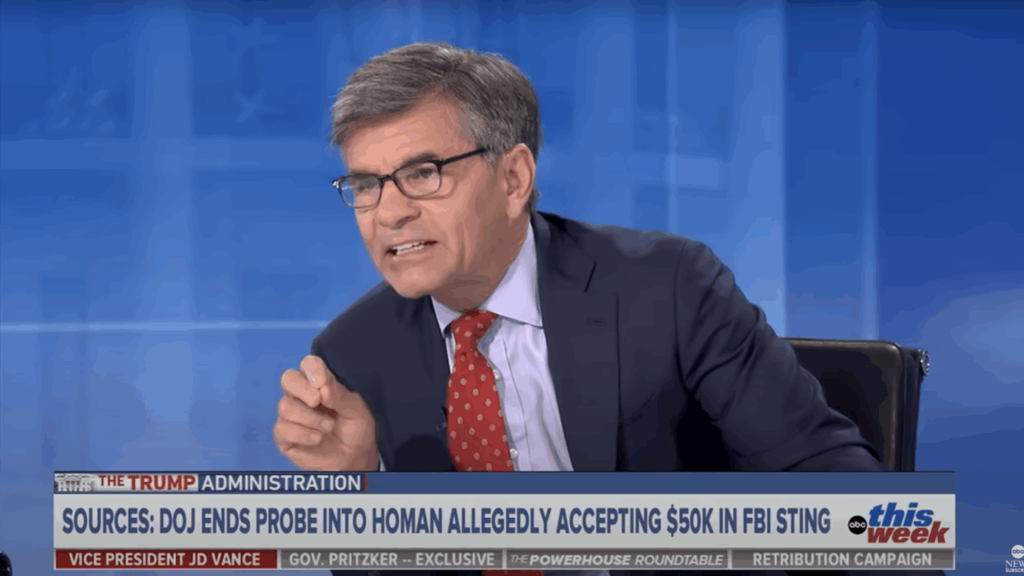
Vice President J.D. Vance criticized ABC News host George Stephanopoulos during a live interview on October 12, 2025, accusing him of promoting misinformation and failing to address pressing national issues. The exchange escalated when Vance's comments about White House Border Czar Tom Homan were cut short as the show abruptly transitioned to a commercial break.
Vance's critique came after Stephanopoulos suggested that Homan had engaged in criminal activity, prompting Vance to respond, "Tom Homan did not take a bribe. It’s a ridiculous smear." (Www.fcc — fcc.gov) He emphasized that the media's focus on such allegations detracted from more significant issues, including the impact of a government shutdown on low-income families.
The Vice President stated, "Here’s why fewer and fewer people watch your program and why you’re losing credibility... low-income women can’t get food because the Democrats and Chuck Schumer have shut down the government." (Www.fcc — fcc.gov)
Stephanopoulos attempted to defend his questioning, stating, "I didn’t insinuate anything. I asked you whether Tom Homan accepted $50,000 as was heard on an audiotape recorded by the FBI in September 2024, and you did not answer the question." (Www.fcc — fcc.gov) This exchange highlights the tension between political figures and media personalities, particularly regarding the framing of news stories.
Critics of Stephanopoulos, including Vance, argue that his approach reflects a broader trend in corporate media where conservative viewpoints are marginalized. Vance pointed to a decline in trust in media, claiming that Stephanopoulos's tactics contribute to this erosion.
In the past, Stephanopoulos has faced scrutiny for similar conduct. In 2024, he cut off Vance during a discussion about presidential powers, which some observers interpreted as an attempt to avoid uncomfortable questions. Vance's supporters contend that such actions undermine the integrity of political discourse.
The Vice President's remarks come amid ongoing debates about media bias and the role of journalism in American democracy. Vance's comments resonate with a segment of the Republican base that feels underrepresented in mainstream media narratives.
As the interview concluded, Vance attempted to clarify his position but was muted before he could finish his statement. This incident has sparked discussions about the responsibilities of media hosts and the treatment of guests with differing political views.
In response to the exchange, some commentators have suggested that Republican figures should reconsider their participation in programs that they perceive as biased. Vance's approach reflects a growing sentiment among conservatives to challenge media narratives directly.
The incident underscores the ongoing friction between political leaders and the media, raising questions about how such interactions will shape public perception and trust in journalism moving forward.