A recent report has raised alarms about potential censorship tactics being employed by political activists in the U.K. and their implications for free speech in the United States. The investigation by Paul Holden, published in Drop Site News, details a campaign linked to the Labour Party aimed at demonetizing news outlets deemed unfavorable, including The Federalist.
Explainer Free Speech Battles: Courts, Censorship, and Cultural Conflicts
The campaign reportedly involved the Center for Countering Digital Hate (CCDH), a British nonprofit that has been accused of targeting various media outlets. According to Holden, CCDH collaborated with NBC News and Google to blacklist The Federalist during the 2020 presidential campaign. "The attacks on Breitbart were part of a targeted campaign against media outlets on both the left and right considered hostile to the centrist faction of the Labour Party," Holden noted.
During this period, Google banned the website ZeroHedge from its advertising platform and warned The Federalist that it might face similar consequences. This action followed a report from CCDH, which claimed that several U.S.-based websites were publishing racist content related to protests. NBC News played a role in notifying Google about CCDH's findings, which some critics argue was a politically motivated effort to silence dissenting voices.
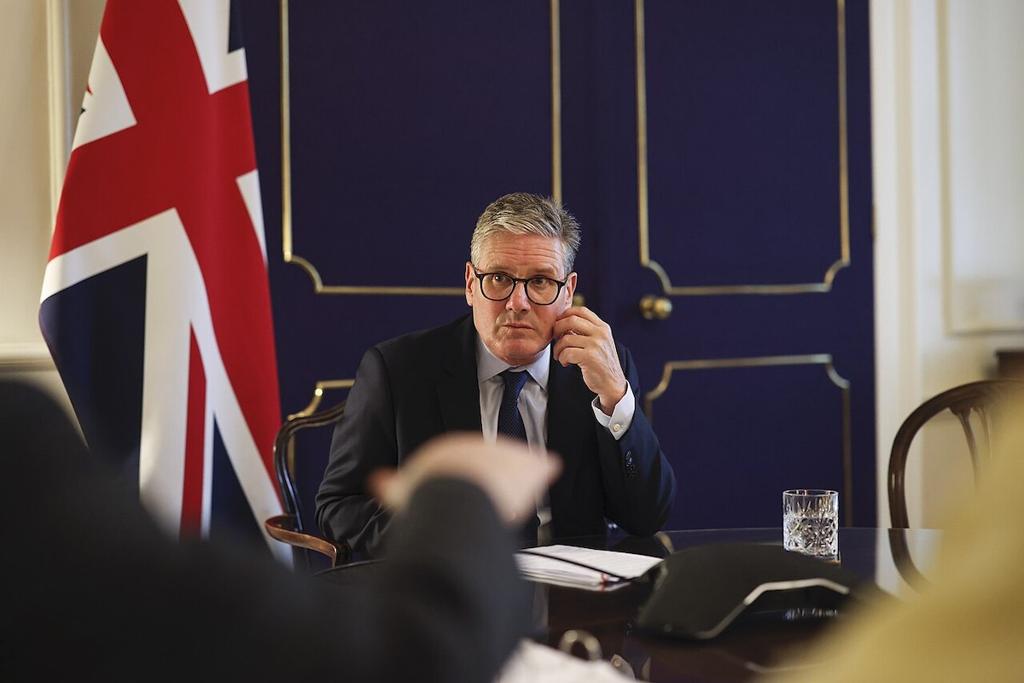
Morgan McSweeney, chief of staff to U.K. Prime Minister Keir Starmer, was reportedly involved in the campaign. Between 2018 and 2020, he was associated with Labour Together, which funded a project called Stop Funding Fake News (SFFN). This initiative aimed to undermine media outlets that were perceived as obstacles to Starmer's political ascent. "The weak points of news websites is that they’re expensive to run, so eliminating their ad revenue meant that ‘within a couple of months, you can completely eviscerate the economic base of a website,’" said Imran Ahmed, CEO of CCDH.
The SFFN project was later absorbed into CCDH, which has continued to target news organizations. Critics argue that these tactics mirror efforts in the U.S. under the Biden administration, where the State Department allegedly funded censorship operations targeting conservative media.
In a recent lawsuit, The Federalist and The Daily Wire claimed that government-supported groups sought to suppress their reporting and commentary, violating First Amendment rights. The implications of these developments raise concerns about the future of free speech in both countries.
As political tensions rise, the parallels between the U.K. and U.S. censorship tactics prompt fears that similar strategies could be employed domestically. The ongoing scrutiny of media outlets by political entities highlights the delicate balance between combating misinformation and preserving free expression.
John Daniel Davidson, a senior editor at The Federalist, emphasized the risks associated with these developments, stating, "When we look across the pond to Britain and see the way the government and political class are targeting free speech and basic civil liberties, we should understand that Democrats here in the U.S. would like nothing more than to be able to do that to us."
The situation underscores the importance of vigilance in protecting free speech rights amid growing political pressures in both nations.