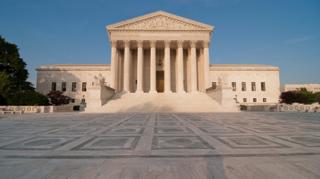
The U.S. Supreme Court is set to decide whether the First Amendment protects the free speech rights of counselors in Colorado who provide therapy aligned with biological sex. The case, Chiles v. Salazar, was argued on October 7 and addresses a state law that prohibits certain counseling practices.
Explainer Free Speech Battles: Courts, Censorship, and Cultural Conflicts
At the center of the case is Kaley Chiles, a counselor who argues that Colorado's law restricts her ability to help minors align their thoughts and feelings with their biological sex. The law specifically bans voluntary counseling conversations that affirm biological reality, while permitting counseling that supports gender transition.
Chiles faces potential fines of up to $5,000 per violation and risks losing her professional license if she continues her practice under the current law. "This law silences my ability to provide care that aligns with my clients' goals," (CourtListener) Chiles said, emphasizing the importance of choice in therapy.
The controversy stems from Colorado's interpretation of the law, which the state argues regulates conduct rather than speech. Critics, including Chiles and her supporters, contend that this distinction is misleading, as talk therapy inherently involves speech.
Lathan Watts, vice president of public affairs for Alliance Defending Freedom, which is representing Chiles, stated, "If the Supreme Court does not protect the speech of counselors like Kaley Chiles and her clients, children in Colorado and more than 20 other states will be trapped on a one-way journey to the perils of gender transition." (CourtListener)
Supporters of the law argue that it is necessary to protect minors from potentially harmful practices associated with conversion therapy. They contend that affirming a child’s biological sex can lead to irreversible physical damage and mental health issues.
The implications of this case extend beyond Colorado, as similar laws exist in over 20 other states. The outcome could set a precedent for how free speech is interpreted in the context of counseling and therapy across the nation.
Critics of the law have raised concerns about government overreach into personal and professional relationships between counselors and their clients. They argue that the law imposes a singular viewpoint on a complex issue, limiting the options available to families seeking guidance.
As the Supreme Court prepares to issue its ruling, the case has sparked a broader debate about the balance between protecting minors and ensuring free speech rights for professionals. The decision could have lasting effects on the landscape of counseling and therapy in the United States.
The Supreme Court's ruling is expected in the coming months, and many are watching closely to see how it will shape the future of free speech and counseling practices in America.