A pro-life pregnancy center is preparing to challenge New Jersey Democrats’ legal actions at the U.S. Supreme Court next month. First Choice Women’s Resource Centers Executive Director Aimee Huber stated during a Thursday press conference, "Our state has done everything they could to make New Jersey a sanctuary state for abortion. Since pregnancy centers like ours do not perform or refer for abortions, we are targets for a government that disagrees with our views." Huber emphasized the broader implications of the case, hoping it would lead to protections for similar centers nationwide.
Explainer Free Speech Battles: Courts, Censorship, and Cultural Conflicts
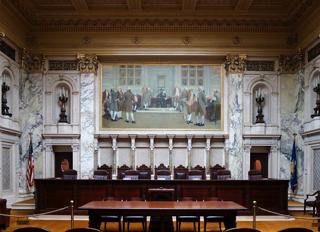
The case, First Choice Women’s Resource Centers, Inc. v. Platkin, is set for oral arguments on December 2. It arose in 2023 when New Jersey’s Division of Consumer Affairs initiated an investigation into First Choice, alleging the organization misrepresented its mission and services. This inquiry led to a subpoena from Democrat Attorney General Matthew Platkin, demanding extensive internal communications and donor information from the center.
First Choice contested the subpoena, arguing it infringed upon its constitutional rights. However, both a federal district court and the 3rd Circuit Court of Appeals dismissed the case, labeling it as "unripe" due to ongoing state proceedings and the lack of enforcement of the subpoena.
The Supreme Court agreed to hear the case in June 2025. According to Oyez, the justices will consider whether a federal court can hear claims of First Amendment rights violations when the recipient of a state investigatory subpoena has demonstrated a reasonable chill of those rights.
During the press conference, Lincoln Wilson, senior counsel at Alliance Defending Freedom, which represents First Choice, criticized Platkin’s claims that the center deceives clients and donors. Wilson described the attorney general's actions as "overtly hostile" toward pregnancy centers and cited a 2022 consumer alert against such organizations as evidence of political bias.
Wilson argued that the subpoena represents an attempt to harass First Choice and deter donor support, stating, "This is exactly the sort of thing where it’s properly read and understood as an attempt for him to harass and persecute First Choice for its protected speech." He referenced past Supreme Court rulings, including the 2021 Americans for Prosperity v. Bonta decision, which found that California’s donor disclosure requirements unlawfully burdened First Amendment rights.
"We think the same thing is going on here with the [New Jersey] attorney general’s subpoena," Wilson said. "We have a right to address those grievances and claims in federal court. That’s an issue that matters not just to First Choice; it matters to pregnancy centers around the country."
The press conference also featured testimony from a First Choice client named Meera, who shared her positive experiences with the organization, stating, "First Choice is just my guiding light. It saved me … when I really needed them."
When asked about the potential outcome of the case, Wilson speculated that if the Supreme Court allows First Choice to proceed in federal court, the likely result would be a remand for the district court to consider the constitutional claims it previously dismissed. He noted the possibility of a concurring opinion from a justice addressing related issues but emphasized that the primary focus remains on the right to be heard.
Oral arguments in First Choice Women’s Resource Centers, Inc. v. Platkin are scheduled for 10 a.m. ET on Tuesday, December 2.