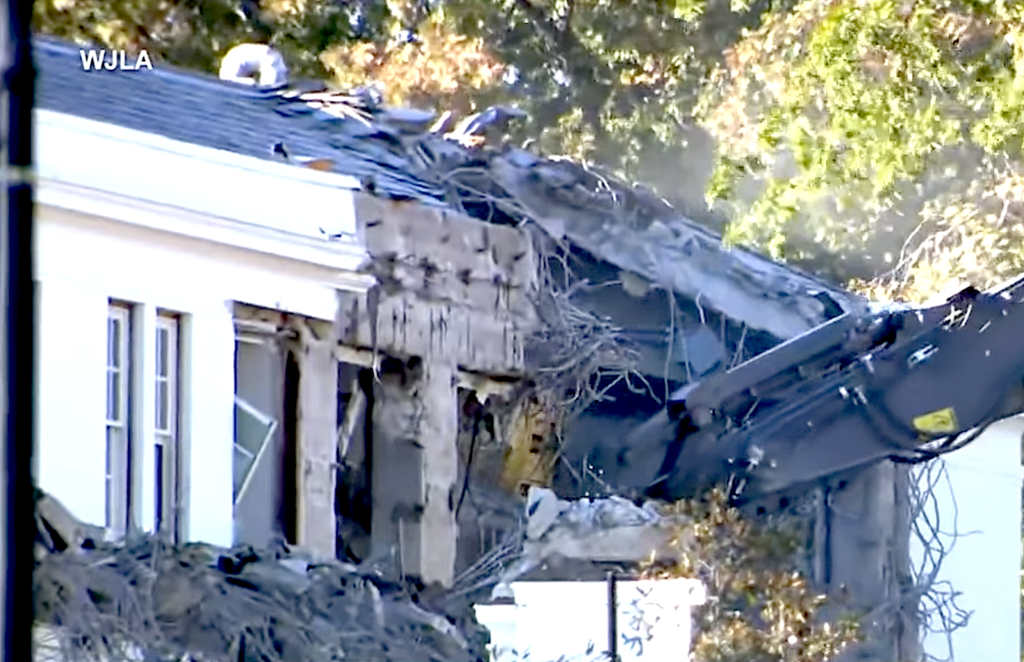
President Trump’s renovation of the White House East Wing into a ballroom has sparked significant media attention and criticism from Democrats. Major news outlets, including CNN and MSNBC, have extensively covered the project, labeling it a "demolition." The New York Times reported, "Trump Is Demolishing the Entire East Wing," while the Washington Post noted the increased costs associated with the renovation, stating, "Trump defends East Wing demolition, raises ballroom price to $300 million."
Explainer Public Safety and Crime Trends in America: Understanding the Landscape
Critics argue that this focus on the East Wing renovation distracts from ongoing construction issues affecting everyday residents in Washington, D.C. Eddie Scarry, a columnist for The Federalist, highlighted the irony of the situation, stating, "More important is that once again, they’re showing how manifestly uninterested they are in problems regular people face every day."
D.C. residents frequently encounter disruptions due to construction across the city, affecting roads, parks, and the Metro subway system. Commuters often face blocked pathways and delays, with signs warning of maintenance and service interruptions. Scarry pointed out that while the East Wing renovation is a topic of national concern, the daily inconveniences faced by locals receive little attention from politicians or the media.
He noted, "When have you ever heard a Democrat or cable news anchor raise the level of concern over that kind of ‘demolition’ the way they are now over a section of the White House?"
The ongoing construction in D.C. is a persistent issue, with many residents frustrated by the impact on their daily lives. Scarry emphasized that the renovation of the East Wing is just another construction project in a city known for its constant building activity.
As the media continues to cover the East Wing renovation, residents are left to navigate the challenges of living in a city under perpetual construction. The contrast between the attention given to the White House project and the lack of concern for local issues raises questions about priorities among lawmakers and media outlets.
In conclusion, while the East Wing renovation garners national headlines, the daily struggles of D.C. residents remain largely overlooked, prompting calls for greater focus on the issues that affect ordinary Americans.
Key Facts:
- The East Wing renovation is projected to cost $300 million.
- D.C. residents frequently face disruptions due to ongoing construction.
- Major news outlets have extensively covered the East Wing project, contrasting with the lack of attention to local construction issues.