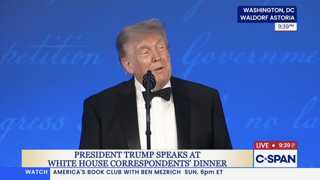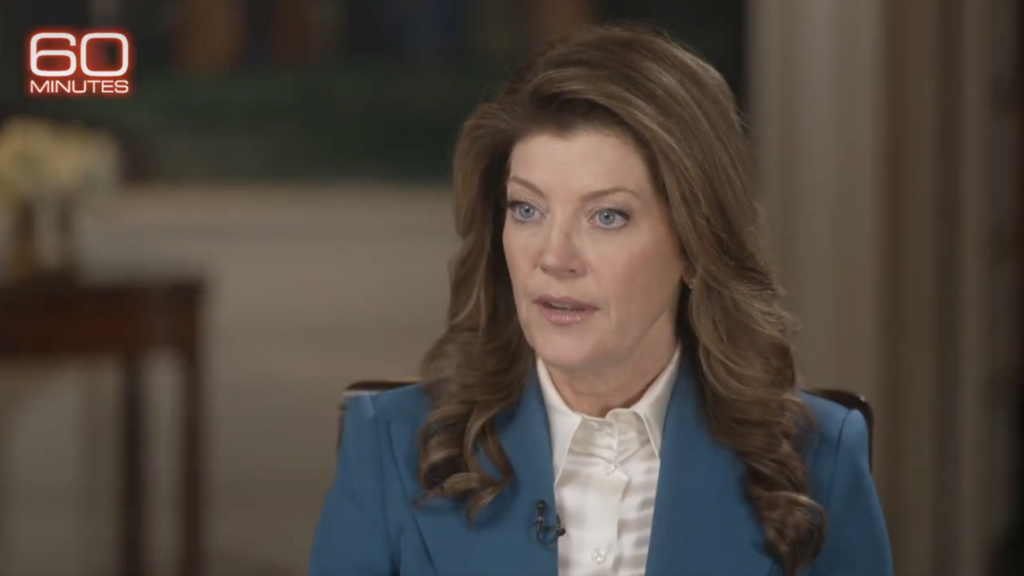
CBS correspondent Norah O'Donnell has come under significant scrutiny for her comments made during a recent interview with former President Donald Trump. In this interview, O'Donnell repeated accusations from an alleged would-be assassin, Cole Allen, who reportedly attempted to breach a Secret Service checkpoint at the White House Correspondents’ Dinner. This incident occurred just a day before the interview, and Allen expressed a desire to kill Trump and his cabinet in a manifesto he had written.
The incident raises substantial questions about the media's role in reporting incendiary claims, particularly those that could incite violence. Critics argue that O'Donnell's decision to quote Allen's manifesto without providing context or challenging its content reflects a troubling trend in journalism. This trend is particularly concerning given the sensitive nature of the allegations made against Trump.
During the interview, O'Donnell described the manifesto as a "stunning thing to read" before directly asking Trump for his reaction to its contents. Trump responded sharply to her comments, stating, "I was waiting for you to read that because I knew you would, because you’re horrible people. Horrible people." He further asserted, "You should be ashamed of yourself," in reference to her handling of the accusations presented in the manifesto.
Context of the Incident
Cole Allen's manifesto included graphic accusations against Trump, labeling him a "pedophile, rapist, and traitor." These claims echo longstanding narratives that have circulated in some media outlets and among political opponents of Trump. Critics of O'Donnell's approach argue that repeating such allegations from an assassin's manifesto without critical examination undermines journalistic integrity. Furthermore, they contend that it could potentially normalize violent rhetoric in public discourse.
O'Donnell's actions have drawn attention not only for their content but also for their timing, occurring shortly after a violent incident targeting Trump. Supporters of O'Donnell might argue that bringing attention to the threats against public figures is essential for accountability and awareness. However, many contend that the manner in which these threats are reported can have serious implications for public perception and safety.
Media Responsibility and Public Reaction
The backlash against O'Donnell's comments highlights broader concerns about media responsibility in the current political climate. Critics assert that treating the rhetoric of an attempted assassin as legitimate discourse can contribute to a hostile environment for public figures. Some media analysts suggest that such reporting may inadvertently encourage further violence by legitimizing extreme views and making them seem acceptable in public debate.
In response to the criticism, CBS has not issued a public statement defending O'Donnell's comments or addressing the concerns raised by media observers. This silence has led to speculation about the network's stance on the issue and whether it supports the editorial choices made by its correspondents. The lack of a response from CBS may suggest a reluctance to engage with the controversy or a desire to avoid further inflaming the situation.
The incident has also sparked discussions on social media, with various commentators weighing in on the appropriateness of O'Donnell's approach. Some argue that her actions reflect a broader trend in corporate media, where sensationalism often takes precedence over responsible reporting. This trend raises questions about the ethical obligations of journalists in a politically charged environment.
Implications for Future Coverage
As the political landscape continues to evolve, the responsibility of journalists to navigate sensitive topics with care becomes increasingly critical. The incident involving O'Donnell serves as a reminder of the potential consequences of media narratives and the importance of context in reporting. While some may view O'Donnell's comments as an attempt to hold Trump accountable for past allegations, others see it as a failure to recognize the gravity of the situation.
The ongoing debate underscores the need for a balanced approach in journalism, particularly when addressing issues that can incite violence or unrest. As the media landscape grapples with these challenges, the reactions to O'Donnell's interview may influence how similar stories are reported in the future. This emphasizes the need for careful consideration of the impact of words in a charged political environment, where the stakes are high and the potential for misunderstanding is significant.