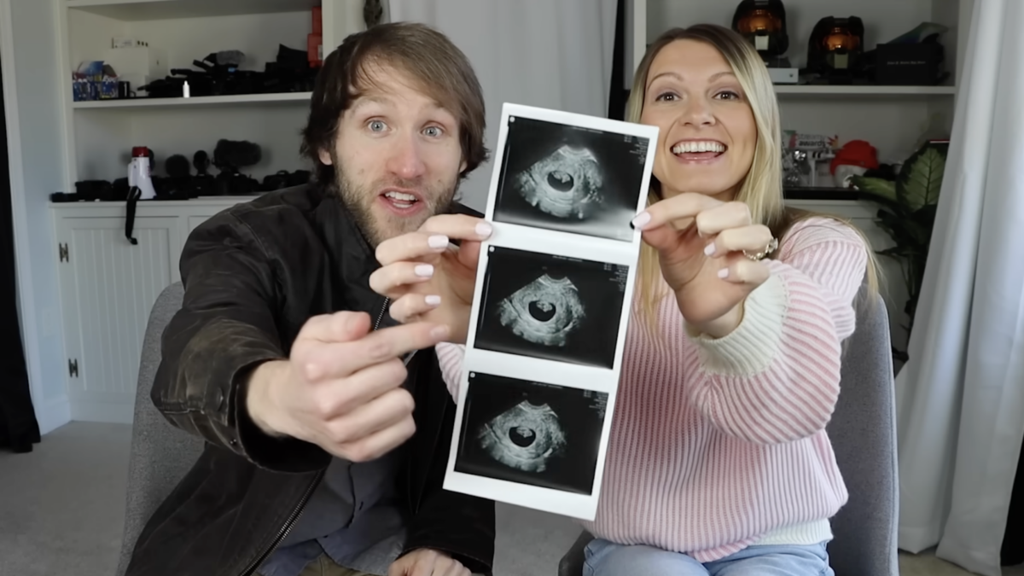
A YouTube couple, Jesse and Ashley Ridgway, has come under fire for publicly discussing their decision to terminate a pregnancy after learning their unborn child might have Down syndrome. The couple, known for their online persona as "McJuggerNuggets," shared their experience on social media, prompting a wave of criticism and debate about the ethics of abortion in cases of genetic conditions.
Explainer Free Speech Battles: Courts, Censorship, and Cultural Conflicts
The core tension in this situation revolves around the ethical implications of choosing to abort a fetus based on a potential disability, which critics argue reflects a eugenics mindset. Jesse Ridgway described the decision as a "very difficult" one, stating, "We made a difficult decision that we believe in the long-run will be beneficial for our family. Thankfully, we had a choice."
The Ridgways were reportedly well into the pregnancy, having prepared for the arrival of their first child, when they opted for the abortion. In a post on June 3, Jesse Ridgway referred to the Down syndrome diagnosis as a "glitch" and expressed his belief that it would be too "rough" to raise a child with Trisomy 21. This decision has ignited a fierce backlash from pro-life advocates and individuals who have personal experiences with Down syndrome, who argue that the lives of those with the condition are valuable and fulfilling.
Media Coverage and Public Reaction
Following the announcement, the couple faced significant backlash on social media, with many users condemning their choice. Jesse Ridgway later expressed his dismay at the reaction, stating, "I’ve never seen such hate and vitriol for two people grieving the loss of their unborn child and making an impossible decision." He characterized the criticism as deeply disturbing and laden with depravity.
Despite the backlash, some media outlets have framed the Ridgways' decision in a more sympathetic light. Reports from major publications like the New York Times and USA Today focused on the threats the couple received rather than the implications of their abortion choice. Critics argue that this media portrayal downplays the serious ethical questions surrounding selective abortion based on genetic conditions.
Ethical Implications of Selective Abortion
The controversy raises broader questions about the ethics of abortion in cases where a fetus is diagnosed with a disability. Many advocates for individuals with disabilities argue that such decisions perpetuate a harmful narrative that devalues lives based on genetic conditions. Supporters of the Ridgways' choice, however, assert that parents should have the autonomy to make decisions they believe are best for their families.
Statistics indicate that a significant number of pregnancies diagnosed with Down syndrome are terminated, a practice some critics label as rooted in eugenics. According to various studies, the majority of fetuses diagnosed with Down syndrome are aborted, raising concerns about societal attitudes toward disability and the implications for future generations.
Responses from Advocates and Experts
Advocates for individuals with Down syndrome have been vocal in their opposition to the Ridgways' decision. Many argue that the lives of people with Down syndrome can be rich and fulfilling, countering the narrative that they are a burden. One such advocate stated, "The survival rate and quality of life for people born with Down syndrome are the highest they have ever been."
While the Ridgways have not publicly addressed the criticisms beyond their initial statements, the ongoing debate highlights the complexities surrounding reproductive choices and societal values regarding disability. As the conversation continues, it remains to be seen how this incident will influence public perceptions of abortion and disability rights in the future.