YouTuber Jesse Ridgway and his wife, Ashley, recently announced on social media that they aborted their unborn child after receiving a Down syndrome diagnosis, a decision that has drawn significant public attention and sparked debate about the value of life. Ridgway defended the choice, citing potential health complications associated with Down syndrome, including heart defects and developmental delays. His post has garnered over 21 million views on X, highlighting the contentious nature of the topic.
Explainer The Complex Legal Landscape of Abortion: State Laws, Federal Shifts, and Cultural Battles
The core tension in this situation revolves around the ethical implications of terminating pregnancies based on genetic conditions and the societal attitudes toward individuals with disabilities. Critics argue that such decisions reflect a troubling trend of devaluing lives deemed less than perfect, while supporters of the Ridgways’ choice often cite the challenges associated with raising a child with special needs.
Ridgway's comments echo a broader concern among some families and advocates who feel that societal pressures to terminate pregnancies diagnosed with disabilities are increasing. He stated, "Down Syndrome isn’t a ‘blessing.’ It is objectively sh-tty from a health perspective." This sentiment resonates with many who fear the stigma attached to raising a child with disabilities.
Personal Reflections on Down Syndrome
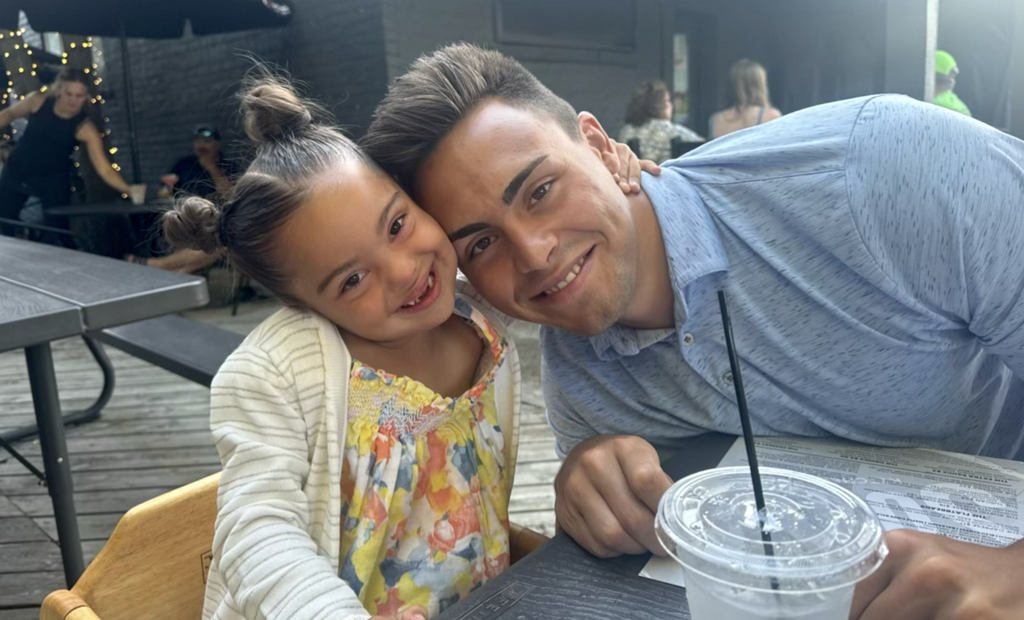
In response to Ridgway’s announcement, Michael Alfonso, a conservative commentator and congressional candidate, shared his own experience with a family member who has Down syndrome. Alfonso reflected on his initial reaction to learning that his sister-in-law, Valentina, would likely have the condition. He admitted that he felt pity for the family, believing their lives would become harder and sadder. However, he later recognized the joy Valentina brought to their family, describing her as the “ultimate joy” and a cherished member of the Duffy family.
Alfonso emphasized that Valentina’s life is not a defect but a source of immeasurable joy. He stated, "The tragedy is not her life; the tragedy would have been never letting her live it." His perspective challenges the notion that Down syndrome equates to a diminished quality of life, arguing instead for the inherent dignity of every individual.
Societal Pressures and Historical Context
The conversation surrounding Down syndrome and abortion is not new, but it has gained renewed urgency in light of rising abortion rates for diagnosed conditions. In some countries, including Iceland, the rate of abortions following a Down syndrome diagnosis is reported to be as high as 99%. Critics of this trend argue that it reflects a societal inclination to eliminate perceived imperfections rather than embrace diversity.
Alfonso pointed out that in societies with socialized medicine, mothers often report feeling pressured by healthcare providers to consider abortion for the sake of societal benefit. He described this as a revival of ancient practices where the weak and disabled were discarded, stating, "This is paganism resurrected."
Legislative Considerations
As discussions continue, Alfonso advocates for legislative measures to prohibit abortions based solely on Down syndrome diagnoses. He believes that while laws are essential, a shift in moral clarity is also necessary to change societal attitudes. He noted, "What we need is moral clarity again," emphasizing the importance of recognizing the value of all lives, regardless of their challenges.
While Ridgway’s decision has sparked backlash, it is important to note that not all families share the same views. Some parents of children with disabilities express gratitude for the support and resources available, which can help them navigate the challenges of raising a child with special needs. However, the lack of response from Ridgway and his supporters regarding the criticism of their decision leaves questions about the broader implications of their choice.
The debate surrounding Down syndrome and abortion underscores a complex intersection of ethics, personal choice, and societal values. As families like the Duffys advocate for the recognition of the joy and value that individuals with disabilities can bring, the conversation continues to evolve, prompting reflection on what it means to value life in all its forms.