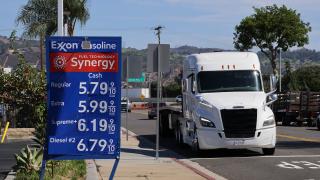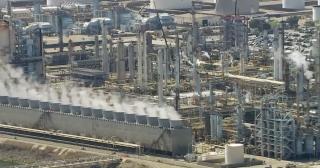
California is facing mounting concerns over the reliability of its energy supply as a wave of refinery closures and ambitious clean energy mandates reshape the state’s fuel landscape. Industry sources and recent data indicate that California’s capacity to meet daily fuel demands has been significantly reduced, raising questions about the state’s ability to maintain reliable and affordable energy for both households and businesses during its transition to cleaner sources.
Explainer California Elections: Low Turnout, Vote Counting Controversies, and Political Implications
The state, which is home to nearly 40 million people and ranks as the world’s fourth-largest economy, now operates just seven refineries. Of these, only six continue to process crude oil following a series of conversions and shutdowns prompted by regulatory policies and evolving market conditions. The reduction in refining capacity comes as California pursues aggressive climate goals, including a mandate for 100% clean electricity by 2045 and a ban on new internal-combustion vehicle sales after 2035.
These policy shifts have drawn criticism from energy analysts who argue that the state’s ongoing need for refined fuels is being overlooked. The central challenge, they say, is whether California can successfully balance its clean energy ambitions with the practical requirement for reliable and affordable fuel supplies.
Despite the push for renewables, California continues to consume about 58 million gallons of transportation fuel each day. This demand includes approximately 37 million gallons of gasoline for more than 36 million registered vehicles, 11 million gallons of jet fuel to supply airports and military bases, and 10 million gallons of diesel to support trucking and construction industries. Additionally, ships docking at major ports such as Los Angeles, Long Beach, and Oakland require about 5.2 million metric tons of bunker fuel annually to operate.
Refinery Closures and Capacity Loss
Recent years have seen a notable contraction in California’s refining sector. Policy measures like the state’s low-carbon fuel standard have encouraged the conversion of traditional refineries to biofuel production. Notably, the Martinez and Rodeo refineries have shifted away from crude oil, while Phillips 66 ended operations at its Los Angeles complex in late 2025. Valero also idled its Benicia refinery in 2026. These developments have collectively reduced California’s refining capacity by nearly 20% over the past year alone.
The remaining refineries—operated by Marathon Petroleum in Los Angeles, Chevron in El Segundo and Richmond, PBF Energy in Torrance and Martinez, and Valero in Wilmington—are now responsible for meeting the state’s substantial fuel needs. However, industry sources caution that this reduced capacity may be insufficient, especially as regulatory pressures persist and the possibility of further closures remains.
Impact on Energy Security and Reliability
California’s unique geography further complicates its energy situation. The Sierra Nevada mountain range acts as a natural barrier, limiting the state’s ability to import large volumes of refined products via pipeline from other regions. As in-state refining capacity shrinks, California is forced to rely more heavily on fuel imports, which increases its exposure to supply disruptions and price volatility.
Global events have also contributed to these concerns. Wartime losses of refining capacity in regions such as Russia and the Persian Gulf have underscored the risks of depending on distant sources for critical fuel supplies. This heightened vulnerability has sparked debate among policymakers, industry leaders, and analysts about the state’s long-term energy security.
"California’s policy approach takes a contradictory path. The state is forcing refinery closures while also mandating reliance on weather-dependent electricity, which forces the state’s utilities to build expensive backup generation, storage, and transmission."
— Daily Signal analysis
Critics argue that California’s clean energy mandates, combined with a challenging regulatory environment, are undermining the reliability and resilience of its energy systems. They point to rising costs, tighter fuel supplies, and increased dependence on imports as evidence that current policies may not adequately balance the need for both electricity and refined fuels.
Policy Debate and Industry Warnings
Supporters of California’s clean energy transition emphasize the importance of reducing carbon emissions and investing in renewable energy sources. However, they have not directly addressed recent warnings from refinery operators and industry analysts about the risks of fuel shortages and reliability challenges.
Industry representatives warn that critical sectors—including military operations, commercial aviation, freight transportation, and port activities—cannot simply pause to accommodate policy timelines. They caution that without sufficient refining capacity and a resilient energy system, California risks losing energy security and facing prolonged disruptions that could affect both the economy and public services.
The state’s regulatory climate and ongoing policy debates will play a decisive role in determining whether additional refinery closures occur in the coming years. How California manages the balance between its clean energy goals and the need for reliable fuel supplies remains a central question for policymakers, industry stakeholders, and residents alike.