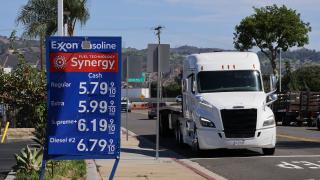
Iran's recent closure of the Strait of Hormuz and its attacks on oil tankers in the Persian Gulf have significantly intensified global concerns regarding energy security. Critics of U.S. energy policies, particularly those enacted under the Biden administration, argue that these policies have exacerbated vulnerabilities to foreign disruptions. This has led to higher gas prices and a reduced domestic production capacity, which are critical issues for both consumers and the economy.
Explainer Election Integrity and Voter Access in California: A Complex Landscape
The core tension lies in the intersection of international conflict and domestic energy policy. Many assert that current regulations hinder the United States' ability to respond effectively to crises, particularly as tensions in the Middle East escalate. The implications for U.S. energy independence and economic stability are becoming increasingly pronounced, raising questions about the effectiveness of current strategies.
In recent years, the Biden administration has implemented restrictions on oil and gas leases on federal lands. Additionally, new regulations have been introduced that critics argue complicate the drilling and refining processes. These policies, they contend, have contributed to a precarious energy landscape, making the U.S. more susceptible to shocks from abroad, especially in light of recent events in Iran.
Background and Reactions
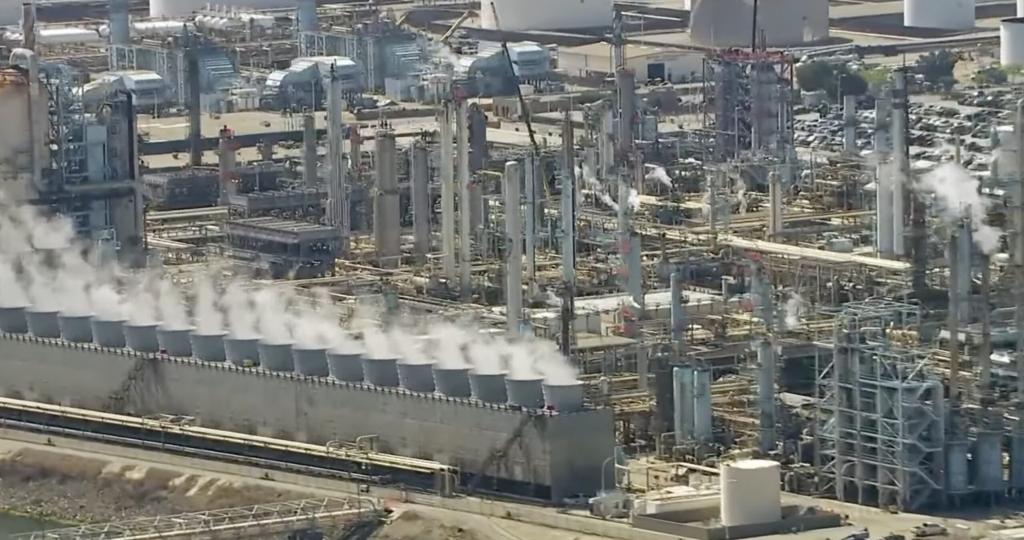
California's energy sector has faced significant challenges due to stringent regulations that have led to a notable decline in oil production and refinery closures. According to industry reports, the state has seen a reduction from 43 oil refineries in 1980 to just eight today. This dramatic decrease has forced California to increasingly rely on imported fuel, with recent headlines highlighting the state's need to source gasoline from the Bahamas amid local shortages. This situation underscores the fragility of California's energy infrastructure and its dependence on external sources.
Chevron, a major player in the energy sector, has voiced concerns over proposed greenhouse gas regulations that could further threaten the remaining refineries in California. A Chevron official stated in a letter to state officials, "Adversarial policies at local, regional, and state levels have eroded that foundation. These proposed regulatory changes threaten to destroy it." The potential loss of refineries not only poses a logistical threat to California's military bases but also affects neighboring states like Arizona and Nevada, which depend on California for gasoline supplies. This interconnectedness highlights the broader implications of local regulatory decisions on regional energy security.
Industry Perspectives
Tim Stewart, president of the U.S. Oil and Gas Association, emphasized the national security implications of relying on foreign energy sources. He stated, "If your energy supplies depend on a foreign choke point, that’s a national security issue." Stewart also noted that while increasing domestic production is essential, it is not a quick fix for the current crisis stemming from the Iran conflict. This acknowledgment reflects the complexity of energy issues in the context of international relations.
Stewart pointed out that the existing refinery infrastructure in the U.S. is outdated and primarily designed to process heavier crude oil from regions like the Middle East. He highlighted the pressing need for new refinery capacity, which could be incentivized by policies from the previous administration. In a positive development, investors in Texas are planning to build the first new American refinery in fifty years, which could help address some of the capacity issues. However, Stewart cautioned that the process of ramping up production and refining capabilities is slow and will not provide immediate relief from the current price shocks.
Future Energy Security
As the Biden administration releases emergency oil reserves to mitigate rising prices, Stewart argues that the Strategic Petroleum Reserve is not the ultimate solution for energy security. He stated, "The real safety net oil reserve is the one underneath our feet. We just need to be able to use it." This statement underscores the importance of developing domestic resources rather than relying solely on emergency measures.
While critics of the current administration's energy policies have been vocal, officials have not yet responded to these specific criticisms regarding the impact of regulations on energy security. The ongoing situation in the Strait of Hormuz serves as a stark reminder of the importance of a robust and responsive domestic energy strategy in the face of international instability. As the global energy landscape continues to evolve, the U.S. must navigate these challenges carefully to ensure both energy security and economic stability.