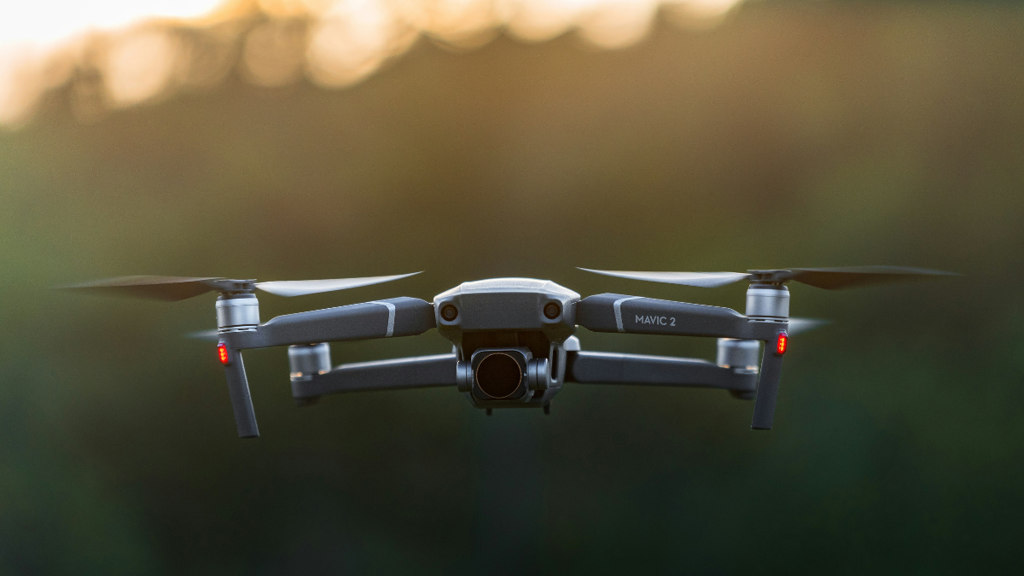
Drones have increasingly violated U.S. airspace, with reports linking tens of thousands of sightings to Mexican drug and human trafficking cartels, while other incursions at military installations suggest involvement from hostile nation-state actors, particularly China. This situation raises significant concerns about national security and the effectiveness of current federal responses to these aerial threats.
In December 2023, Langley Air Force Base in Virginia experienced 17 consecutive nights of drone incursions, some involving drones as large as 20 feet. Despite clear evidence and briefings reaching the White House, proposals to neutralize the drones through jamming signals or deploying directed energy weapons were dismissed as “too risky.” As of now, no official explanation has been provided for the lack of action, and accountability remains elusive.
Recent Drone Sightings
In New Jersey, drone sightings over military facilities, including Picatinny Arsenal and Naval Weapons Station Earle, have further fueled public concern. Following weeks of alarm, then-Homeland Security Secretary Alejandro Mayorkas stated, “I want to assure the American public that we in the federal government have deployed additional resources, personnel, technology to assist the New Jersey State Police in addressing the drone sightings.” However, he also noted ambiguously, “Some of those drone sightings are, in fact, drones …”
On December 16, just weeks before Donald Trump’s second inauguration, multiple federal agencies, including the Department of Homeland Security and the Federal Aviation Administration (FAA), issued a statement downplaying the threat, attributing the sightings to “lawful commercial drones, hobbyist drones and law enforcement drones.” Despite this reassurance, the FAA imposed temporary flight restrictions over affected areas, indicating that officials were taking the situation seriously.
Cartel Drone Operations
The threat posed by cartels is particularly acute along the southern border, where estimates suggest over 60,000 drone sightings occurred in the latter half of 2024. Cartels utilize drones for various purposes, including surveillance, drug smuggling, and counter-surveillance tactics aimed at U.S. Border Patrol agents. Reports indicate that some cartel operatives have traveled to Ukraine to study advanced drone warfare, which they are now applying against U.S. law enforcement and rival cartels.
The recent airspace closure over El Paso on February 11 was a rare instance of decisive action, with U.S. forces reportedly neutralizing at least one cartel drone. Eyewitness accounts contradicted claims that authorities merely downed a stray Mylar balloon, suggesting that the situation was more complex than initially portrayed.
FAA's Response and Challenges
The FAA's initial response to the drone threat, which included a 10-day airspace shutdown without prior notice to key government officials, has drawn criticism. Some observers view this as a bureaucratic maneuver rather than a genuine safety measure. Critics argue that the FAA's stringent focus on civilian air travel safety has compromised national security, leaving military installations and borders vulnerable to aerial threats.
Counter-drone technologies, such as jammers and kinetic interceptors, require extensive FAA safety certification, which critics say leads to delays and inaction. The FAA's emphasis on safety, heightened after a midair collision at Reagan Washington National Airport in January 2025, has led to caution regarding technologies that could interfere with manned aircraft systems. However, experts argue that this caution is misplaced, as anti-drone technology operates within predictable parameters.
Langley Air Force Base and the southern border exemplify a broader issue: persistent threats met with bureaucratic inertia. As a result, drones linked to cartels and foreign adversaries continue to operate largely unchallenged in U.S. airspace.
Advocates argue that Border Patrol and military personnel need clear authority to deploy counter-drone systems in sensitive areas without facing bureaucratic hurdles. They contend that streamlining rules of engagement and holding regulators accountable is essential to protect U.S. airspace from unauthorized incursions.