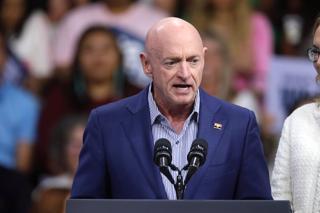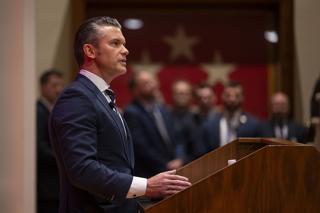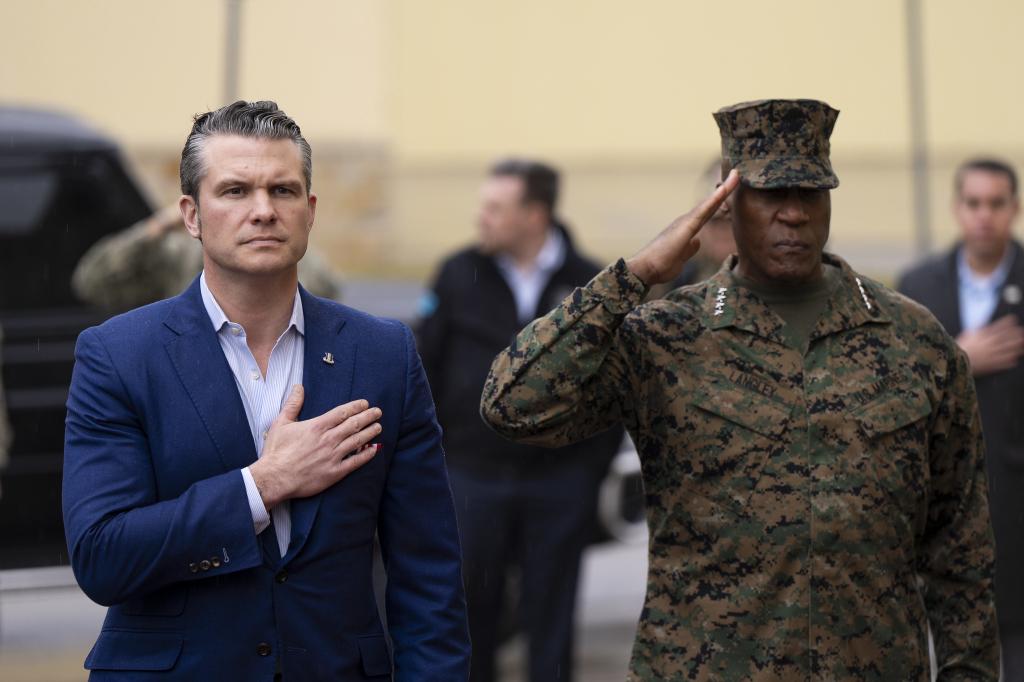
Senator Mark Kelly criticized Pete Hegseth, a former Navy captain and current media personality, for his remarks about military lethality and warrior ethos. Kelly stated, "That’s not the message that needs to come from the Secretary of Defense," highlighting concerns over the appropriateness of such rhetoric in a political context.
The exchange underscores a growing tension between differing views on military messaging and its implications for national unity. Critics argue that Hegseth's comments reflect a broader trend of militarization in political discourse, while supporters contend that a strong military ethos is essential for national security.
Hegseth has been vocal about the need for a robust military identity, suggesting that the armed forces should embody a warrior spirit. This perspective aligns with a traditional view of military purpose, which emphasizes readiness to engage in conflict when necessary. In contrast, Kelly's remarks suggest a desire for a more restrained approach to military rhetoric, especially in light of increasing political polarization.
Concerns Over Political Messaging
The debate over military messaging is not new, but it has intensified in recent years. Critics of Hegseth's stance argue that such rhetoric can contribute to a divisive political climate. They point to historical instances where militaristic language has been used to justify aggressive policies or undermine democratic norms.
John Zmirak, a writer, has outlined phases of what he describes as a color revolution, which includes discrediting leadership and inciting civil unrest. He suggests that the current political climate mirrors these phases, raising alarms about the potential consequences of extreme rhetoric.
Supporters of Hegseth's viewpoint argue that a strong military identity is vital for deterring threats and maintaining national security. They contend that the military's primary function is to protect the nation, and a warrior ethos is integral to that mission. However, they did not respond directly to Kelly's criticisms.
Historical Context of Military Identity
The concept of a warrior ethos in American culture has deep historical roots. From the early settlers to the Revolutionary War and beyond, Americans have often viewed themselves as fighters against adversity. This historical perspective shapes contemporary views on military service and national identity.
Some commentators suggest that the current political climate is attempting to redefine this identity. They argue that efforts to promote a more inclusive military culture, often labeled as "woke," may dilute the traditional warrior spirit that many believe is essential for effective military operations.
As the debate continues, the implications for the military's role in society remain significant. The military's ability to maintain cohesion and effectiveness may be challenged by the politicization of its messaging. Critics warn that if the military becomes a battleground for political ideologies, it could undermine its core mission of national defense.
The Future of Military Discourse
The ongoing discourse surrounding military messaging reflects broader societal divisions. As political leaders like Kelly and figures like Hegseth articulate their visions for the military, the potential for misunderstanding and conflict increases.
The military's role in American society is under scrutiny, with calls for a reassessment of its messaging and purpose. As these discussions unfold, the balance between maintaining a strong military identity and fostering a unified national discourse will be crucial.
In conclusion, the clash between Hegseth's warrior ethos and Kelly's call for restraint highlights a pivotal moment in the conversation about the military's role in American life. The outcome of this debate may shape not only military policy but also the broader political landscape.