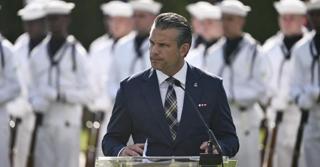
Secretary of War Pete Hegseth announced last week the closure of the Defense Advisory Committee on Women in the Services (DACOWITS). This decision follows his earlier announcement in March regarding the implementation of sex-neutral standards for combat arms positions. Hegseth's approach aims to shift military priorities from feminist ideals towards a focus on deterring and defeating adversaries, which he argues will benefit both the military and the nation.
DACOWITS was established in 1951 to advise on strategies for improving the recruitment of women into the U.S. military during the Korean War. Its focus has persisted over the decades, but Pentagon Press Secretary Kingsley Wilson recently criticized the committee, stating, "The Committee is focused on advancing a divisive feminist agenda that hurts combat readiness." (Dacowits Defense)
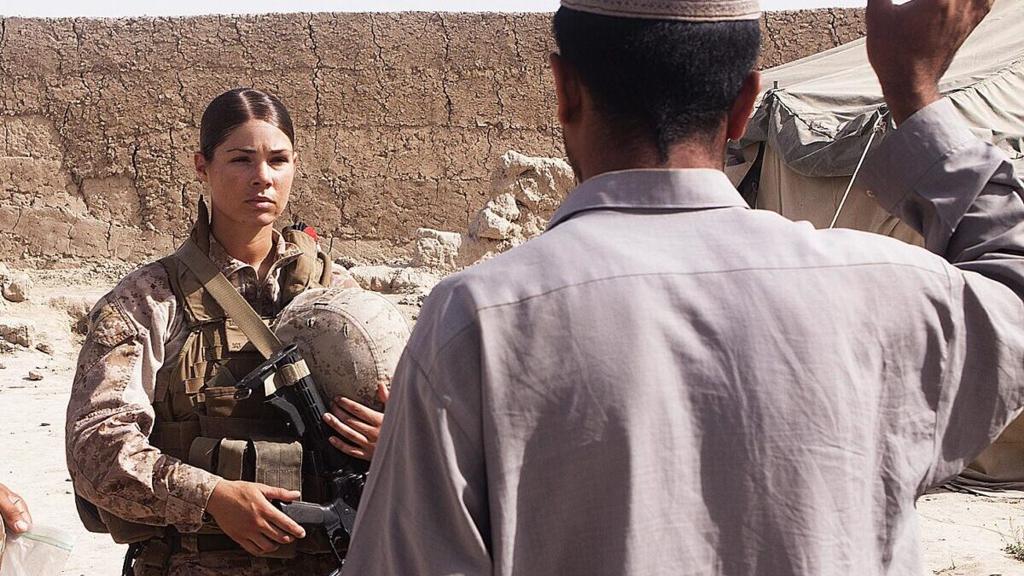
In May, three female Democratic senators expressed their opposition to Hegseth's decision, emphasizing the committee's role in reducing barriers to the recruitment and retention of women. However, critics argue that prioritizing the recruitment of women should not be a special focus of the military. They contend that increasing the percentage of women in the armed forces does not enhance military effectiveness or readiness.
The argument against prioritizing women in military recruitment is that it may detract from efforts to recruit and retain men, who are traditionally seen as the backbone of the military. Critics assert that it is illogical for the military to focus on increasing the number of women without giving equal attention to men, especially when physical endurance and availability are often cited as advantages for male service members.
Furthermore, some argue that emphasizing women's recruitment during peacetime could negatively impact family structures within American society. Advocates for this perspective assert that the military's focus on women may undermine the importance of family values and child-rearing, which are seen as essential to a thriving nation.
Hegseth's approach has prompted suggestions for rethinking military policies regarding women. Recommendations include ending efforts to increase recruitment of women in ROTC and military colleges, keeping women out of the draft, and allowing for voluntary career pauses for women with children. Additionally, some propose maintaining all-male units in certain Special Forces and close-quarter situations.
Jennifer S. Bryson, a fellow at the Ethics and Public Policy Center, emphasizes the need for a military that prioritizes mission-oriented policies over feminist ideals. She argues that while women can make valuable contributions to the military, the institution should not compromise its effectiveness to pursue gender equality at the expense of combat readiness.
As the Department of War reevaluates its policies, the ongoing debate about the role of women in the military continues to evoke strong opinions on both sides of the issue. The future direction of military recruitment and retention strategies may hinge on balancing these competing priorities.