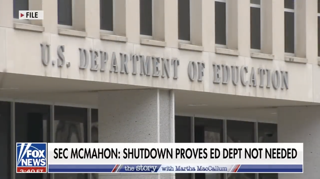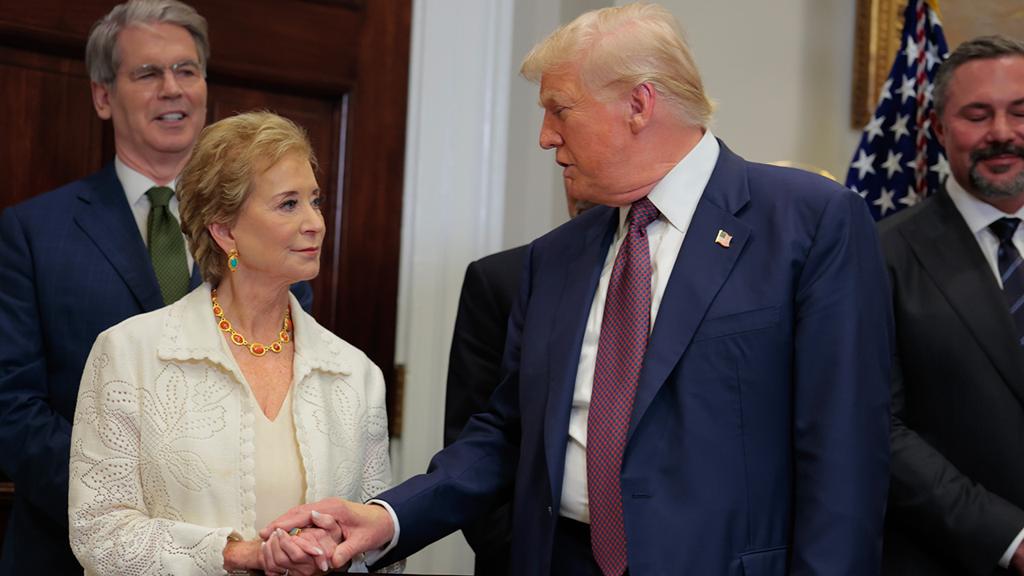
President Donald Trump is set to host an event in the White House Rose Garden on Monday to showcase his administration’s school choice initiatives, with a particular focus on the recent expansion of education-related tax credits. The event is intended to highlight the administration’s efforts to broaden educational options for families as the new academic year begins, a policy area that has drawn both support and criticism from a range of stakeholders.
Explainer Education Policy Reform: Accountability, Innovation, and School Choice in America
Trump will be joined by Secretary Linda McMahon, students, parents, and education advocates for the event, which the White House describes as marking the start of the new school year and celebrating what it calls the “largest national expansion of education freedom in history.”
Details of the Rose Garden Event
White House spokeswoman Liz Huston said the event will feature remarks from both President Trump and Secretary McMahon at 2:30 p.m. on Monday. Students, parents, and other education stakeholders have been invited to attend, according to a White House official. The gathering is expected to include participants from a variety of educational backgrounds, reflecting the administration’s emphasis on expanding choices for families.
"The event will highlight the administration’s wins for American students, including the largest national expansion of education freedom in history."
— Liz Huston, White House spokeswoman
The event is designed to celebrate the administration’s school choice policies as students across the country return to classrooms. The White House has framed the occasion as an opportunity to spotlight recent legislative achievements and to underscore the administration’s commitment to increasing educational opportunities for American families.
The 'One Big, Beautiful Bill Act'
Central to the event is the “One Big, Beautiful Bill Act,” which President Trump signed into law on July 4, 2025. The law established a federal tax credit of up to $1,700 for contributions to nonprofits that provide scholarships for education-related services. According to the White House, these scholarships can be used to cover basic educational costs, including tuition and books, at both elementary and secondary schools.
The funds made available through the new law are not limited to one type of school. Students attending public, private, or religious schools are eligible to benefit from the scholarships. The administration has emphasized that this approach is intended to give families more flexibility in selecting educational options that best meet their needs.
The tax credit is designed to encourage private donations to scholarship-granting organizations, which in turn distribute funds to eligible students. By leveraging private contributions, the administration aims to expand access to educational resources without directly reallocating existing public education funding.
Broader Context and Stakeholder Reactions
The expansion of school choice through federal tax credits has been a key priority for the Trump administration. Supporters of the policy argue that increasing educational options for families can foster competition among schools and lead to improved academic outcomes. They contend that giving parents more control over their children’s education allows for better alignment with individual student needs and preferences.
Critics, however, have raised concerns that such measures may divert resources away from traditional public schools, potentially undermining their ability to serve all students. Some education advocates and public school supporters argue that the expansion of tax credits for private school scholarships could exacerbate existing inequalities in the education system. They caution that public funds, even indirectly, should be used to strengthen public schools rather than support private or religious institutions.
The White House did not address criticism of the policy in its announcement of the event, instead focusing on the reach and impact of the new law. Trump and McMahon are expected to emphasize the administration’s education policies and the significance of the “One Big, Beautiful Bill Act” during their remarks at the Rose Garden event. The administration has positioned the legislation as a major step toward expanding education freedom and providing more choices for American families.
As the new school year begins, the event is likely to draw attention from both supporters and opponents of school choice policies. The administration’s focus on tax credits and expanded educational options is expected to remain a central theme in its education agenda moving forward.