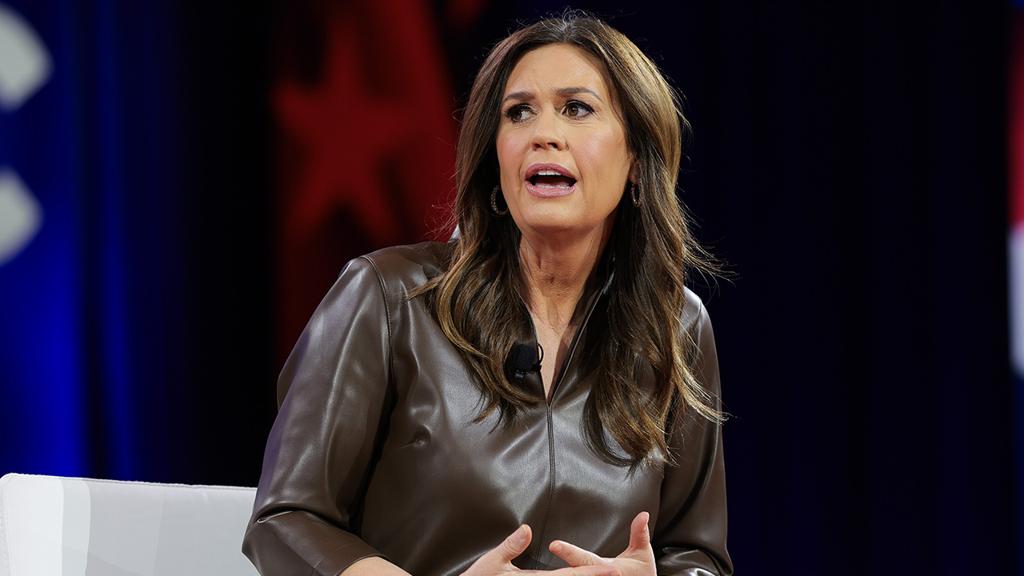
Arkansas Governor Sarah Huckabee Sanders' Education Freedom Accounts program has reported increased parent support and improved student performance in its second year, as national confidence in public schools remains near historic lows, according to recent Gallup data.
A Gallup survey cited by The Daily Signal found that only 27% of Americans express high confidence in public schools. This figure has not surpassed 41% since 1993, reflecting a long-term trend of skepticism toward the nation’s education system. The survey also indicates that confidence in 14 core U.S. institutions—including schools, banks, and Congress—has dropped from 48% in 1979 to 27% today. This widespread dissatisfaction has fueled ongoing debate over the role of government and unions in education, as well as the pace and direction of reform efforts.
The central issue in this debate is whether state-led school choice initiatives, such as those implemented in Arkansas, can effectively address concerns about quality and accountability in public education. As parents and policymakers seek alternatives to traditional models, the question remains whether these programs can deliver improved outcomes and greater satisfaction.
Arkansas' School Choice Program
Under Governor Sanders' leadership, Arkansas launched the Education Freedom Accounts program, which provides scholarship funding for parents to choose where to send their children to school. In its second year, nearly 50,000 students are using these accounts. Parents receive between $6,684 and $7,627 per student for educational expenses, which can include tuition, fees, and other approved costs.
According to a Wall Street Journal opinion piece cited in the report, students participating in the program "outperformed nearly 60% of students nationwide in math and English on standardized assessments." This performance data has been highlighted by supporters as evidence that the program is delivering on its promise to improve educational outcomes.
Parent support for the program has also grown significantly. The report notes that 81% of K-12 parents now back the initiative, representing an increase of 20 percentage points since 2023. This rise in support suggests that families are increasingly satisfied with the flexibility and opportunities provided by the Education Freedom Accounts.
"Under the leadership of Arkansas Gov. Sarah Huckabee Sanders, Arkansas set up its Education Freedom Accounts program, establishing a platform through which parents have available scholarship funding to use to choose where to send their children to school."
— The Daily Signal report
National Participation and Political Divide
The Education Freedom $1,700 federal tax credit, designed to encourage contributions to scholarship funds for private education, has been adopted by 28 states. Of these, 25 are Republican-led, according to The Daily Signal. The article suggests that Democratic states have largely declined to participate, attributing this to political contributions from teachers' unions and differing views on education policy.
In contrast, New York has not opted into the tax credit program. Investor Jeff Yass, writing in the Wall Street Journal and cited by The Daily Signal, noted that New York City spends $42,000 per public school student, yet test scores remain low. Yass proposed splitting the funding between scholarship vouchers and savings accounts for students, though this idea has not been adopted by city officials. The situation in New York is used by some advocates to highlight perceived inefficiencies in public school spending and to argue for alternative approaches.
The political divide over school choice is reflected in the adoption of these programs. Republican-led states have generally embraced school choice initiatives, while Democratic-led states have been more hesitant, often citing concerns about public school funding and the influence of outside interests.
Ongoing Debate and Responses
The report contends that powerful interest groups and unions continue to resist changes that would give parents more choice in their children’s education. Supporters of school choice point to improved outcomes in states like Arkansas as evidence that these programs can be effective. They argue that giving parents more control over educational decisions leads to better results for students.
Critics of the Education Freedom Accounts program, including Democratic officials and teachers' unions, have not issued a public response to the latest Arkansas data, according to The Daily Signal. Opponents of school choice initiatives often express concerns about the impact on public school funding and the potential for increased inequality, but no specific statements were reported in response to the recent findings from Arkansas.
The debate over school choice and education reform is expected to continue as more states consider participation in federal tax credit programs and as new performance data emerges from existing initiatives. As policymakers, educators, and families evaluate the results of programs like Arkansas’ Education Freedom Accounts, the national conversation on the future of American education is likely to remain active and contentious.