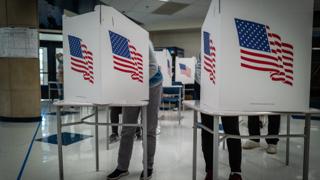
Federal and state officials are locked in a standoff over whether U.S. Department of Justice (DOJ) election observers will be allowed inside polling locations in Adams County, Colorado, as voters participate in a congressional race that could help determine control of the U.S. House of Representatives.
Explainer Religious Freedom in America: Navigating Rights and Government Limits
The disagreement centers on the DOJ’s plan to monitor compliance with federal voting laws from within polling places. Colorado officials insist that any such monitoring must be conducted with state oversight and advance notification, while the DOJ has resisted these requirements.
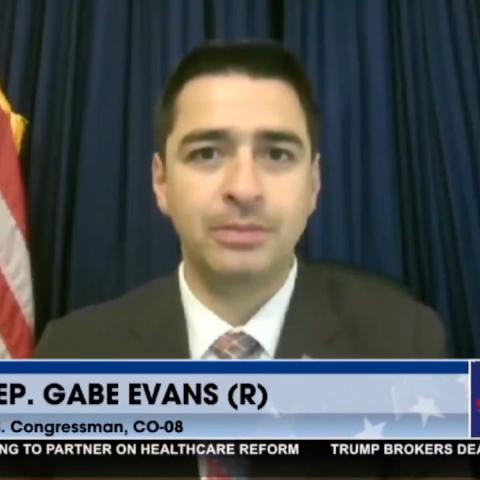
Adams County, which encompasses much of Colorado’s 8th Congressional District, is the site of a closely watched contest between Republican Rep. Gabe Evans and Democratic challenger Manny Rutinel. Polls show the race is highly competitive, and its outcome could influence the balance of power in the House.
Federal Observer Plans
According to DOJ attorney Jake Bachand, the department initially planned to send four employees to observe between 12 and 16 polling sites in Adams County. This team was later expanded by six additional people. The DOJ’s stated goal is to monitor compliance with the Voting Rights Act and the Americans with Disabilities Act. Observers are tasked with checking whether election materials are available in both English and Spanish and whether bilingual poll workers are present to assist voters with limited English proficiency.
Bachand emphasized that DOJ observers would not approach voting machines, inspect equipment, or speak with voters inside polling places. Instead, their role would be limited to observation. The DOJ also declined to provide Colorado officials with the exact polling locations in advance, citing a desire to ensure the accuracy and integrity of their assessments.
DOJ spokesperson Kiersten Pels said the department would deploy about 1,000 monitors across counties nationwide. All monitors are responsible for observing and reporting any potential violations of federal law, with the department reviewing concerns after Election Day and taking action where appropriate.
"Every monitor has the same role: observe for potential violations of federal law and report concerns to the Department, which the Department will review after Election Day and act where appropriate."
— Kiersten Pels, DOJ spokesperson
Colorado’s Conditions and Response
Colorado Deputy Secretary of State Andrew Kline responded to the DOJ by outlining conditions for federal observers. Kline said that federal observers could enter polling places to speak with presiding election officials and observe voting activities, but only if they were accompanied by state-appointed observers. He also required the DOJ to provide a list of locations and start times in advance and to comply with state election rules.
The DOJ declined these conditions. Bachand stated that, as a result, DOJ observers would remain at least 100 feet outside polling buildings, rather than entering the polling places themselves. This stance reflects the DOJ’s position that federal observers should not be subject to state-imposed restrictions that could limit their ability to monitor compliance with federal laws.
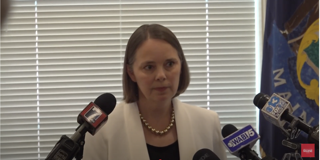
Secretary of State Jena Griswold’s office reiterated that Colorado law requires oversight for any non-state observers inside polling locations. Adams County clerk and recorder Josh Zygielbaum said the DOJ’s presence would not alter the county’s election procedures or its commitment to ensuring a fair process for voters.
Local and National Reactions
Beth Hendrix, executive director of the League of Women Voters of Colorado, described the DOJ’s decision to send observers to Adams County as “odd,” but noted that observers can play a helpful role if their activities are limited to observation. Hendrix urged voters to trust the DOJ’s assurances that monitors would not interfere with voting, but she also encouraged the public to report any concerning behavior by observers.
Hendrix pointed out that other organizations, in addition to the DOJ, are monitoring Colorado’s elections to ensure proper procedures are followed. DOJ officials have stressed that all monitors must adhere to legal and ethical standards and are strictly prohibited from interfering with the voting process.
The ongoing dispute highlights the broader tension between state and federal oversight in high-stakes elections. Both sides argue that their procedures are necessary to protect voter access and maintain election integrity. The DOJ has not indicated any plans to change its approach before Election Day, leaving the question of observer access unresolved as voting continues in this pivotal congressional district.