Senior officials in the Department of Justice under the Biden administration were notified and approved plans to subpoena the phone records of Republican Representatives Jim Jordan and Chip Roy, according to a newly released interim report from the House Judiciary Committee. The report, made public Wednesday by Committee Chair Jim Jordan, details internal DOJ communications and directives that show prosecutors were told to alert the deputy attorney general before seeking toll records from GOP lawmakers.
The report’s findings intensify scrutiny of the DOJ’s handling of investigations involving members of Congress, highlighting concerns about constitutional protections and the separation of powers between branches of government.
The House Judiciary Committee’s interim report, spanning 56 pages, outlines how prosecutors led by U.S. Attorney for the District of Columbia Matthew Graves began issuing subpoenas for congressional phone records in May 2022. The stated purpose was to identify contacts around major congressional votes. Graves, who later faced controversy for declining to bring charges in unrelated high-profile cases, was among those overseeing the process.
DOJ Guidance and Notifications
Before issuing the subpoena for Rep. Jordan’s records, then-assistant chief Timothy Duree sought guidance from the DOJ’s Public Integrity Section (PIN). On April 26, 2022, PIN deputy chief Jennifer Clarke advised that the subpoena might not violate the Speech or Debate Clause because it targeted a third-party and a personal account, but acknowledged D.C. Circuit precedent made the legal risk significant. Clarke instructed Duree to notify the Office of the Deputy Attorney General (ODAG) via an urgent report about the legal process involving Jordan. This directive was repeated in May 2022 when prosecutors prepared to subpoena Rep. Roy’s records.
During a transcribed interview with the House Judiciary Committee, Duree said he did not specifically recall the notification but stated, “If [PIN] told us to notify ODAG, then I feel confident that . . . someone on my team, I or someone else, would have notified ODAG.”
"If [PIN] told us to notify ODAG, then I feel confident that . . . someone on my team, I or someone else, would have notified ODAG."
— Timothy Duree, former DOJ assistant chief
Expansion Under Special Counsel
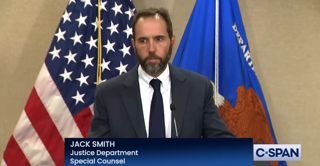
After joining Special Counsel Jack Smith’s team, Duree proposed expanding the investigation to subpoena phone records for nine additional members of Congress and one staffer, according to the report. Ray Hulser, another member of Smith’s team, approved Duree’s request within an hour, reportedly before learning which lawmakers would be targeted or the specific justification for the subpoenas. PIN again approved the subpoenas, with John Keller noting that D.C. Circuit precedent in the Rayburn case held that the bar on compelled disclosure was “absolute,” but PIN assessed the litigation risk as minimal since the lawmakers were not targets of the probe.
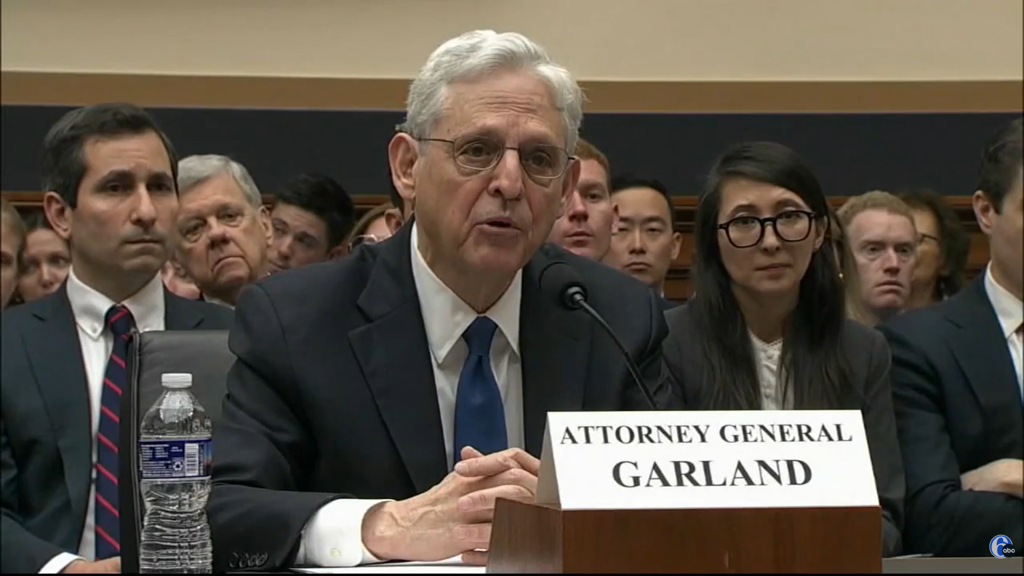
Smith’s team also briefed Attorney General Merrick Garland in January 2023, stating their intent to issue subpoenas for congressional toll records covering the period between the 2020 election and January 20. The stated goal was to investigate communications relevant to former President Trump and his associates.
Legal and Political Implications
The House report argues that prosecutors ignored controlling precedent and obtained nondisclosure orders, preventing Jordan and Roy from asserting their Speech or Debate Clause rights. The report contends that the Biden administration’s DOJ condoned this approach, raising constitutional concerns. The Rayburn decision in the D.C. Circuit holds that the Speech or Debate Clause offers absolute protection against compelled disclosure of legislative materials, a standard not applied in all circuits.
The report also notes that prosecutors did not inform the judges issuing the nondisclosure orders that the subpoenas targeted members of Congress, a detail the committee describes as significant. Supporters of the DOJ’s actions have not publicly responded to the report’s allegations or the committee’s interpretation of the legal risks involved.
The release of the interim report adds to ongoing debates over the scope of executive branch investigations into Congress and the boundaries set by constitutional protections. The DOJ and Attorney General Garland have not issued statements addressing the committee’s findings.