A federal judge in New York has dismissed a lawsuit brought by New York and several other Democrat-led states that challenged the Department of Government Efficiency’s (DOGE) access to the Treasury Department’s payment systems. The court ruled the case moot after the executive order that established DOGE expired, effectively dissolving the agency and ending the legal dispute.
The decision concludes a high-profile legal battle over federal oversight and the handling of sensitive state financial data. The court found that, with DOGE no longer in existence, there was no longer an active controversy for the judiciary to resolve.
The lawsuit was spearheaded by New York Attorney General Letitia James and joined by a coalition of states. It targeted a January 2025 executive order signed by then-President Donald Trump, which created DOGE under the leadership of Elon Musk. The order was intended to improve federal efficiency and reduce waste, fraud, and abuse across government agencies. It required each federal department to form its own DOGE team and set a termination date of July 4, 2026, as outlined in the official executive order.
Judge Vargas’s Ruling
U.S. District Judge Jeannette Vargas, appointed by President Biden, issued a 17-page order on Wednesday dismissing all claims brought by the states. Judge Vargas found that the case was moot because DOGE ceased to exist after the expiration of the executive order, removing the basis for the states’ challenge to DOGE’s access to the Treasury’s Bureau of the Fiscal Services (BFS).
The states had argued that the DOGE team’s access to BFS—which handles all federal agency payments and maintains sensitive state banking information—posed risks to data security and could disrupt state operations. In the early stages of the litigation, Judge Vargas granted a preliminary injunction that blocked DOGE’s access to BFS. However, she later modified the injunction to allow access under strict conditions that mirrored existing federal vetting and oversight protocols.
In her order, Judge Vargas wrote:
"For the reasons stated herein, the Court dismisses the Access Claims as moot. The Court GRANTS the Government’s motion to dismiss the remaining claims pursuant to Rule 12(b)(6) of the Federal Rules of Civil Procedure."
— Judge Jeannette Vargas, U.S. District Judge
Judge Vargas also dismissed the states’ claims regarding DOGE’s creation of an automatic system capable of pausing federal funding to states, as well as their constitutional challenges to the administration’s actions. With the expiration of the executive order, the judge ordered the case closed, finding that no live controversy remained.
Background on DOGE and Legal Challenge
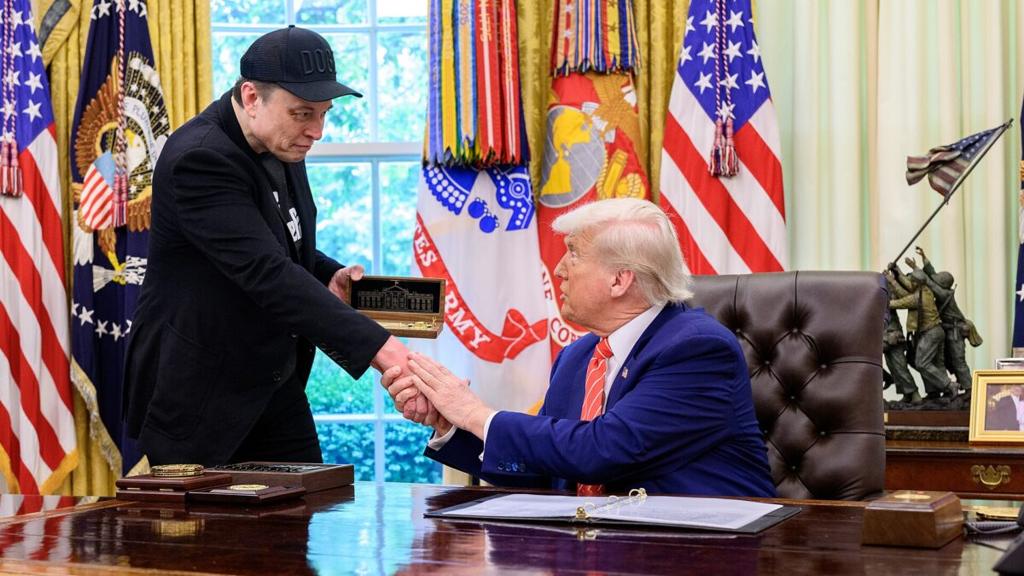
The DOGE initiative was launched by President Trump in January 2025 as part of a broader effort to streamline federal operations and increase government efficiency. Elon Musk was tapped to lead the agency, and he appeared alongside Trump at public events, including a press conference in May 2025, as documented in official White House records. The executive order establishing DOGE mandated that each federal department create its own DOGE team to implement efficiency measures, with the agency set to sunset on July 4, 2026.
The coalition of states, led by New York, filed their lawsuit in February 2025. They alleged that DOGE’s access to the Treasury’s Bureau of the Fiscal Services violated federal law and put confidential state financial information at risk. The states argued that the new agency’s broad access to sensitive data could result in data breaches or disruptions to state funding. The case quickly drew national attention due to its implications for federal-state relations and the safeguarding of confidential financial data.
Letitia James, New York’s attorney general, has previously led several high-profile legal actions involving the Trump administration. Her leadership in this case underscored the states’ concerns about the potential for federal overreach and the need for robust data security protections.
Reactions and Next Steps
While the states maintained that DOGE’s access to Treasury payment systems posed significant risks, the court’s ruling emphasized that the expiration of the executive order rendered the dispute academic. The Biden administration’s legal team had argued for dismissal on these grounds, contending that there was no longer a live controversy for the court to address.
Supporters of the DOGE initiative have not issued public statements in response to the ruling. The closure of the case marks the end of legal proceedings over DOGE’s Treasury access, with no further action scheduled following Judge Vargas’s order.
The outcome leaves unresolved questions about the balance between federal oversight and state autonomy in managing sensitive financial data, but with DOGE now defunct, the immediate legal issues have been set aside. The case serves as a reminder of the complexities involved when new federal agencies are created and subsequently dissolved, particularly when their mandates intersect with state interests and data security concerns.