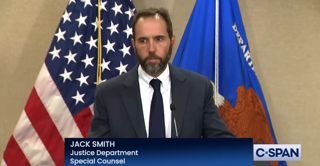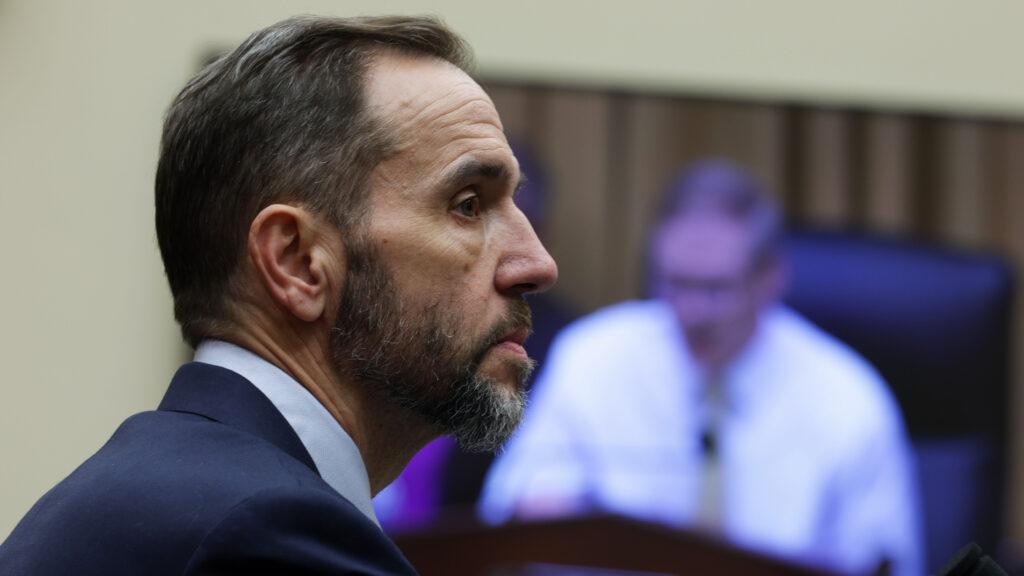
A House Judiciary Committee report released Wednesday alleges that former special counsel Jack Smith and the Department of Justice (DOJ) under President Biden knowingly subpoenaed the phone records of more than a dozen Republican members of Congress, despite internal warnings that the move could violate constitutional protections.
The report accuses Smith’s team and the DOJ of disregarding the Constitution’s Speech or Debate Clause, which shields lawmakers from compelled disclosure of legislative material. According to the committee, the subpoenas were issued even after DOJ officials acknowledged the potential for unconstitutionality.
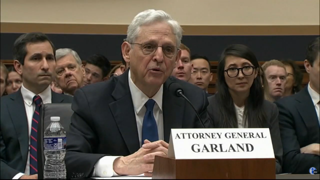
Smith, who was appointed by Attorney General Merrick Garland to investigate former President Donald Trump’s actions following the 2020 election, expanded his probe to include Republican lawmakers who communicated with Trump during that period. The investigation, codenamed Arctic Frost, involved obtaining phone records and securing gag orders that prevented the targeted members from learning their records had been accessed. The committee’s report contends that these actions raised significant constitutional concerns.
Allegations of Constitutional Violations
According to the House report, Smith’s team internally concluded that the subpoenas for congressional records “might be unconstitutional” due to the protections afforded by the Speech or Debate Clause. This clause is designed to ensure that members of Congress are not prosecuted or questioned elsewhere for their legislative acts, thereby protecting the independence and integrity of the legislative branch. The report states that Smith privately told Garland that members of Congress "likely have a valid Speech or Debate privilege immunizing them from compelled testimony." Despite this internal assessment, Garland authorized Smith to proceed with the subpoenas.
The report asserts that federal courts interpret the Speech or Debate Clause as placing an “absolute” bar on compelled disclosure of legislative material. The House Judiciary Committee contends that the DOJ’s actions violated both department policy and the constitutional separation of powers between the executive and legislative branches.
"At best, these prosecutors ignored key legislative protections enshrined in the Constitution to guarantee that Members of Congress may freely deliberate on the questions of public policy. At worst—which seems likely in context with the other abuses of Special Counsel Smith’s office—these prosecutors weaponized their law-enforcement authority to violate a key constitutional provision to gather reams of information about their Administration’s political adversaries."
— House Judiciary Committee report
The report further claims that Smith’s team “barely considered the constitutional protections” and, even when recognizing the risk, “forged ahead and issued the subpoenas.” The committee argues that this approach disregarded longstanding legal standards and internal DOJ guidance designed to protect the legislative process.
Congressional Response and Legislative Action
In response to the findings, the House Judiciary Committee in July passed the Congressional Records Protection Act, sponsored by Rep. Mike Kelly, R-Pa. The legislation aims to reinforce the separation of powers and prevent what the committee describes as "weaponized surveillance" of Congress members. Supporters of the bill argue that it is necessary to prevent future overreach by the executive branch and to safeguard the independence of the legislative branch from intrusive investigations.
The committee’s actions reflect broader concerns among lawmakers about the potential for executive branch investigations to infringe on congressional prerogatives. The legislation seeks to clarify and strengthen existing protections for congressional records, ensuring that any attempt to access such materials is subject to strict scrutiny and oversight.
The law firm of Heaphy, Smith, Harbach & Windom, where Smith is a partner, did not respond to requests for comment from The Daily Signal. The lack of response has left some questions about the DOJ’s internal decision-making and the rationale for proceeding with the subpoenas despite acknowledged constitutional risks.
Broader Context and Next Steps
The dispute over the subpoenas comes amid ongoing partisan tensions regarding investigations into the 2020 election and the boundaries of executive authority over Congress. The House Judiciary Committee’s report frames the DOJ’s actions as part of a broader pattern of alleged abuses by the special counsel’s office, suggesting that the subpoenas were not an isolated incident but indicative of a larger issue concerning the balance of power between branches of government.
The committee’s findings have intensified calls among some lawmakers for additional oversight of DOJ investigations involving Congress. There is growing support among certain members for reforms that would require greater transparency and accountability when the executive branch seeks information related to legislative activities.
The Congressional Records Protection Act awaits further consideration in the House. If enacted, the legislation would represent a significant step toward clarifying the legal boundaries between congressional privilege and executive investigative authority. The ongoing debate highlights the challenges of maintaining constitutional safeguards while addressing legitimate law enforcement concerns.
As the House continues to review the committee’s findings and consider legislative responses, the dispute underscores the importance of clear rules governing the relationship between the branches of government. The outcome of this debate may have lasting implications for how Congress and the executive branch interact in future investigations involving sensitive legislative materials.