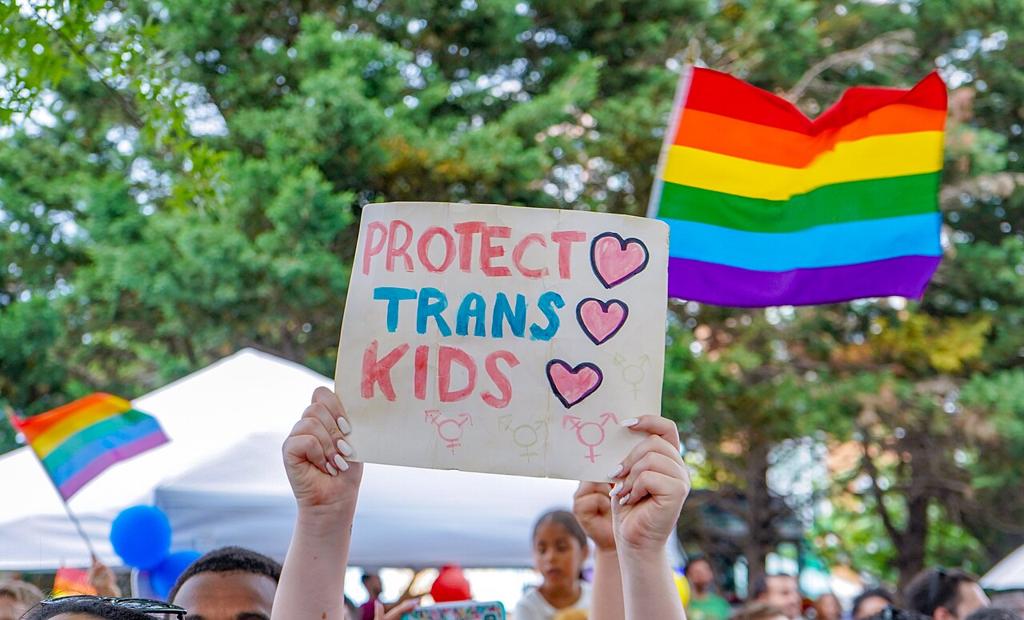
Voters in five states have approved a series of constitutional amendments and statutes expanding abortion access and transgender rights, marking a significant shift in state-level protections. Measures passed in Virginia, Nevada, Vermont, and other states, while efforts to restrict abortion and gender-related medical procedures failed in Missouri and Colorado. The results reflect a growing divide between state and federal approaches, as federal officials continue to push for tighter regulations on both abortion and gender transition procedures.
Explainer The Complex Legal Landscape of Abortion Laws After Dobbs
The core dispute centers on whether state constitutions should guarantee broad reproductive and gender rights, often without explicit age restrictions or parental consent requirements. Critics warn that such measures could pose risks to minors and undermine parental authority, while supporters argue they safeguard fundamental rights and reflect the will of the electorate.
The ballot initiatives come amid ongoing efforts by the Trump administration to limit federal funding for gender transition procedures on minors and to defend parental rights, as outlined in recent executive orders and policy statements. The Department of Justice has also moved to shut down several gender-related medical programs, according to administration releases.
State Amendments and Ballot Results
In Virginia, voters approved Amendment 1, known as the Right to Reproductive Freedom Amendment. This measure enshrines abortion access for individuals of any age and removes parental notification and consent requirements. The amendment also allows late-term abortions with the approval of a single provider and provides broad licensing protections for those assisting in abortions. Opponents argue that the amendment's language could permit transgender surgeries for minors without parental involvement, raising concerns about the scope of medical procedures covered and the lack of explicit age limits.
Virginia voters also passed Amendment 2, which repeals the state's previous definition of marriage as between a man and a woman. The amendment now requires marriage licenses to be issued to same-sex couples, aligning the state's constitution with federal law and recent Supreme Court decisions.
In Nevada, voters approved a similar abortion amendment. The measure guarantees the right to abortion until fetal viability or when necessary for the health of the pregnant patient. It also bars state agencies from intervening except for compelling reasons and does not specify age limits, leaving open questions about access for minors.
Vermont passed Proposal 4, which adds protections for sexual orientation, gender identity, and gender expression to the state constitution. Legal expert Peter Teachout previously testified that the amendment's language is ambiguous and could potentially exclude other groups, though supporters argue it strengthens protections for LGBTQ+ individuals.
In Missouri, voters rejected Amendment 3, which would have restricted abortion and banned gender transition procedures for minors. The failure of this measure leaves minors without statutory protections, as existing state law is set to expire next year. The result signals a shift in public opinion and leaves the state without new restrictions on either abortion or gender-related medical care for minors.
Colorado voters also rejected two statutes: Proposition 134, which would have required athletes to compete based on biological sex, and Proposition 135, which would have prohibited transgender surgeries on minors and blocked related public funding. The defeat of these measures maintains the status quo and allows existing practices to continue without additional restrictions.
Measures Supporting Female Athletes
While most ballot initiatives expanded abortion and transgender rights, voters in several states approved measures aimed at strengthening protections for female athletes. In Arizona, Proposition 318 bars trans-identifying individuals from using facilities not aligned with their biological sex, a move supporters say is intended to protect privacy and fairness in sports.
Nebraska's Measure 442 establishes constitutional protections for sex-separate athletics, ensuring that athletic competitions are divided based on biological sex. Washington passed a "Fairness for Girls" initiative, which bans biological males from participating in female school sports and requires verification of biological sex by a healthcare provider. These measures reflect ongoing debates over fairness and inclusion in athletics, particularly at the school level.
In contrast, Idaho voters rejected Proposition 1, which would have expanded reproductive rights. The rejection maintains current protections for women, children, and the unborn, and signals continued support for more restrictive policies in that state.
Federal Actions and Ongoing Debate
At the federal level, the Trump administration has issued executive orders aimed at protecting children from what it calls "chemical and surgical mutilation" and defending biological definitions in federal policy. These efforts are detailed in White House statements and policy actions. The administration's actions include attempts to restrict federal funding for gender transition procedures and to reinforce parental rights in medical decision-making for minors.
The debate over these issues remains highly polarized. Supporters of the new state amendments argue that they protect fundamental rights and reflect the will of voters, especially in the wake of shifting federal policies. Critics, however, warn that vague constitutional language could undermine parental authority and expose minors to medical procedures without adequate oversight. State officials and amendment backers have not directly addressed these criticisms in public statements, leaving some questions about implementation and enforcement.
Policy writer Ashley Bateman summarized the ongoing debate, stating, "The battle to protect minors, the unborn, and biological reality itself is far from finished, and it will take sustained legal and political pressure, not a single election cycle, to win it."
As states continue to diverge on abortion and gender rights, the landscape of legal protections and restrictions is likely to remain in flux. The results of these ballot measures highlight the complex and evolving nature of reproductive and gender rights in the United States, with significant implications for individuals, families, and policymakers across the country.