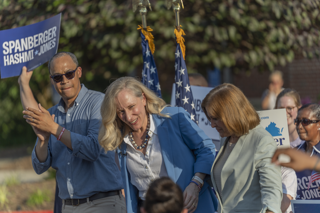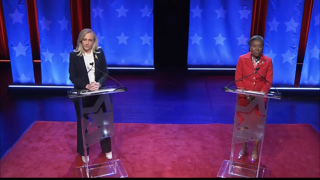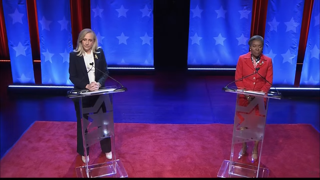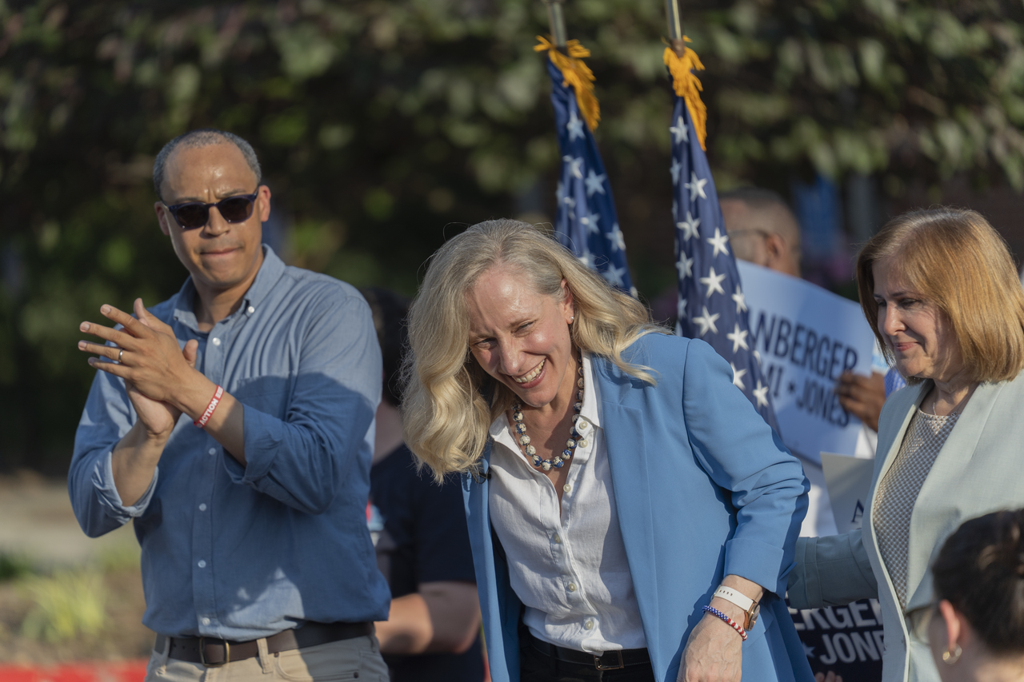
Virginia's recent election has resulted in the appointment of its first female governor, Abigail Spanberger, who is poised to advance significant abortion-related measures with the backing of a Democrat majority in both the House and Senate. Opponents have labeled her the 'most anti-life governor in Virginia history,' citing her pro-abortion campaign platform that includes plans to codify abortion rights in the state constitution and a commitment to veto any restrictions on abortion.
Explainer Navigating Virginia's Electoral Landscape: Key Issues and Reforms
Spanberger's election was supported by Planned Parenthood's Virginia chapter, which praised her congressional efforts aimed at preventing restrictions on abortion services. Her legislative history includes co-sponsoring the Women’s Health Protection Act and the Right to Contraception Act, as well as voting against protections for infants born alive after failed abortions. This record has earned her an 'F' rating from a major pro-life political organization.
Joining Spanberger in leadership is newly elected Lt. Gov. Ghazala Hashmi, who has previously co-sponsored a constitutional amendment to enshrine abortion rights in Virginia and has advocated for redefining abortion as 'protected health care.' Hashmi has also pushed for the legalization of physician-assisted suicide in the state.
The election of Jay Jones as attorney general, who has faced scrutiny for controversial texts regarding violence towards political opponents, completes the leadership team that critics describe as 'extremist.' Olivia Gans Turner, president of the Virginia Society for Human Life, expressed concern that the new administration will lead to the passage of more extreme abortion-related bills, which she argues will prioritize the interests of abortion providers over vulnerable women and their unborn children.
Spanberger's commitment to abortion rights extends beyond the unborn. In 2023, she opposed the Protection of Women and Girls in Sports Act, which sought to prevent males from competing in girls' sports, even in light of a high-profile incident involving a male in a girls' school bathroom. Republican state Sen. Mark Peake remarked, 'There will be no pro-life legislation here for the next four years,' highlighting concerns about the potential expansion of abortion rights under the new Democratic majority.
Peake specifically fears the removal of parental notification requirements for abortions and a decline in standards for abortion clinics. He anticipates that Virginia Democrats may allocate state funds to support organizations like Planned Parenthood. The historical context of Virginia's abortion policies under previous Democratic leadership, particularly under former Gov. Ralph Northam, raises alarms about the direction of future legislation. Northam's support for a bill that would allow abortion up until birth and his controversial comments regarding the care of infants born alive after failed abortions have left a lasting impact on the state's abortion landscape.
Despite Virginia's historical roots as a conservative, pro-life state, the current political climate reflects a significant shift. Following the Supreme Court's Dobbs decision, which overturned Roe v. Wade, Virginia has emerged as a stronghold for pro-abortion legislation in the South, with a majority of lawmakers advocating for increasingly radical abortion laws. Polls indicate that only 30 percent of Virginians support unrestricted abortion access, suggesting a disconnect between legislative actions and public sentiment.
As Virginia navigates this new political landscape, the words of Thomas Jefferson resonate: 'the care of human life and happiness, and not their destruction, is the first and only legitimate object of good government.' Critics argue that the current Democratic agenda in Virginia has strayed from this principle, raising concerns about the future of both unborn children and women's rights in the state.