The Complex Legal Landscape of Abortion Laws After Dobbs
Explore how abortion laws have evolved post-Dobbs decision, creating a patchwork of state policies and ongoing legal battles shaping access nationwide.
Additional reporting by Alex Monroe, April Clark
Abortion remains one of the most divisive and legally complex issues in the United States, especially following the Supreme Court's landmark decision in Dobbs v. Jackson Women's Health Organization. This ruling, which overturned Roe v. Wade, returned the authority to regulate abortion to the individual states, resulting in a dramatically fragmented legal landscape. States now vary widely in how they approach abortion—ranging from near-total bans to robust protections—creating a challenging and dynamic environment for lawmakers, healthcare providers, and women alike.
The post-Dobbs era has redefined the abortion debate, emphasizing states’ rights and local jurisdictions over a uniform federal standard. This decentralization has led to intense legislative battles and legal skirmishes as each state seeks to establish its own policies. Citizens must navigate a maze of regulations that often hinge on geography, with access to abortion services fluctuating depending on where one lives. Meanwhile, the cultural and ethical aspects of abortion continue fueling political activism on both sides of the issue.
State Variation and Legal Fragmentation
"The abortion debate isn’t just about law; it’s about the moral choice to protect human dignity from conception onward."
Since the Supreme Court’s 2022 decision in Dobbs v. Jackson Women's Health Organization, which ended nearly 50 years of constitutional abortion protections, states have adopted widely different policies. As of mid-2026, thirteen states, including Alabama, Arkansas, Indiana, and Texas, enforce near-total abortion bans with only narrowly defined exceptions. These laws frequently prohibit abortion at any stage of pregnancy, setting states like Texas apart as stringent enforcers of pro-life legislation. Enforcement mechanisms vary but often include criminal penalties aimed not only at abortion providers but, in some jurisdictions, patients as well—representing a sharp departure from past legal norms under Roe.
Unlike the relatively uniform federal baseline established by Roe, the abortion landscape post-Dobbs now hinges on state sovereignty, producing a patchwork of laws where the legal permissibility of abortion can shift dramatically from one jurisdiction to another. This dramatic shift underscores how abortion has come to symbolize broader questions about federalism, individual rights, and the limits of judicial oversight. According to the Kaiser Family Foundation, this has resulted in a fragmented American legal framework for abortion, split between regional models that mirror divergent political, cultural, and ethical values.
At the same time, states such as California, New York, and others on the West Coast have responded by passing sweeping laws safeguarding abortion access. These laws often provide protection for abortion throughout pregnancy, and also typically include 'shield laws' aimed at protecting healthcare providers from legal repercussions for treating out-of-state patients seeking abortion care. These sanctuary-like provisions have introduced novel interstate legal dynamics and heightened tensions between states with opposing abortion policies, complicating enforcement and further politicizing the issue nationwide.
This decentralized approach extends beyond physical access to abortion clinics. The rise of telehealth and mail-order abortion pills, such as mifepristone and misoprostol, has complicated enforcement and jurisdictional authority. Some states aggressively regulate or outright ban these options, while others actively promote them as essential alternatives to surgical abortions. The divergence affects not only women seeking abortions but also the healthcare providers who face the risk of prosecution depending on where they operate or deliver care.
Legal Battles Over Abortion Medication and Telehealth Access
Among the most contentious legal flashpoints post-Dobbs is the regulation of medication abortion, particularly access to abortion pills via telehealth or mail distribution. These medications provide a non-surgical alternative that many consider a critical option in states with limited or banned surgical abortion access. However, medication abortion has become a focal point of legal and political controversy, drawing scrutiny from conservative lawmakers determined to impose stricter controls.
Recent developments illustrate the judicial and legislative pushback. For instance, the 5th Circuit Court of Appeals recently issued a pause on the Food and Drug Administration’s (FDA) authorization for mail-order distribution of mifepristone, signaling judicial skepticism of federal regulatory decisions amid ongoing safety debates. This intervention reflects wider tensions between federal authority and state efforts to restrict abortion-related services, creating a complex patchwork of enforcement that undermines clear, consistent access for patients.
Simultaneously, Senate Republicans have launched investigations into abortion drug manufacturers, raising questions about the safety and regulatory oversight of these medications. These inquiries aim to hold drug makers accountable and potentially curtail availability based on alleged health risks, underscoring how abortion intersects with public health and consumer protection issues in ways that resonate with conservative concerns.
Cases involving abortion decisions linked to prenatal diagnoses have also intensified ethical debates around medication abortion. Notably, public attention has focused on a YouTube couple who experienced backlash after terminating a pregnancy due to a Down syndrome diagnosis. Coverage exploring the Father's Role Highlighted in Decisions on Prenatal Diagnoses reveals the often-overlooked family dynamics and moral considerations entwined with such decisions.
Texas represents a bellwether state in this new legal battleground. With its recent law permitting private citizens to sue abortion drug distributors or providers, Texas has expanded legal strategies beyond traditional criminal prosecution of abortion providers. This tactic leverages civil litigation to impose new liabilities, signaling a proactive and aggressive approach to curbing abortion access and raising the stakes for providers, patients, and third parties alike. Our coverage of the new Texas legislation details how this model may influence other states’ legal approaches.
Political and Cultural Ramifications
The abortion issue remains deeply enmeshed in American politics, shaping campaigns, party strategies, and voter mobilization efforts across the country. In politically competitive states like Virginia, abortion debates intertwine with broader legislative battles. Recent lawsuits targeting Democrats over abortion amendment language and legislative efforts on related subjects such as gun control illustrate how abortion politics fuel broader partisan conflicts. Such disputes amplify abortion’s significance in determining electoral outcomes and policy priorities.
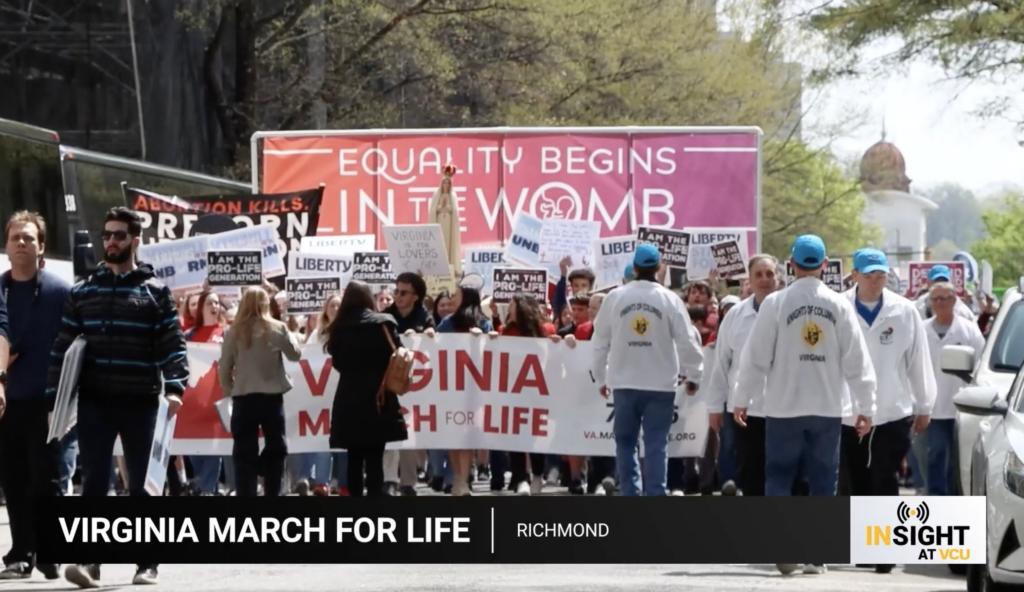
Culturally, abortion activism continues to be a galvanizing force on both sides of the aisle. Pro-life advocates frame abortion opposition as a moral imperative to protect innocent human life from conception, a view articulated with conviction by multiple conservative leaders and officials. Vice President Vance, for example, recently reaffirmed his commitment to the pro-life cause at the March For Life, representing a high-profile reaffirmation of conservative dedication to protecting unborn children.
"The abortion debate isn’t just about law; it’s about the moral choice to protect human dignity from conception onward," said a prominent pro-life advocate, highlighting the ethical dimension that transcends legal disputes.
Conversely, pro-choice proponents emphasize autonomy and reproductive freedom, advocating against restrictive laws they argue undermine women’s health and rights. This ongoing cultural clash plays out not only in political arenas but also in educational debates, healthcare policy discussions, and even celebrity culture. For instance, the announcement of an all-female music festival by Olivia Rodrigo, linked controversially to abortion beneficiaries, illustrates how abortion discourse permeates entertainment and public perception Olivia Rodrigo Announces All-Female Festival Amid Controversy.
Judicial Influence and Future Prospects
Since the Dobbs decision, courts at every level—from state trial courts to the Supreme Court—have played a decisive role in shaping the abortion landscape. Justices like Samuel Alito, who authored the majority opinion in Dobbs, have fundamentally altered constitutional law by returning abortion regulation to states. Detailed investigations into Justice Alito's influence reveal the judicial philosophy and internal deliberations behind this seismic change Justice Alito's Role in Overturning Roe Detailed in New Book.
Lower courts, in particular, have become vital arenas where the legality of abortion bans and protections is contested. For example, Florida’s six-week abortion ban awaits judicial review, highlighting the courts' gatekeeping role in determining whether controversial laws remain enforceable. Such rulings carry profound implications for state policy and individual rights, often resulting in uneven application of abortion laws even within single states.
Federal interventions also continue to evolve. The Department of Justice recently fired prosecutors linked to abortion enforcement under the Freedom of Access to Clinic Entrances (FACE) Act, reflecting shifting priorities regarding pro-life and pro-abortion activism Justice Department Fires Prosecutors Linked to FACE Act Enforcement. This development underscores how political administrations influence federal abortion enforcement policies and signals potential forthcoming shifts in regulatory oversight.
As these legal battles persist, conservative stakeholders emphasize the importance of state-level engagement. Vigilance and legal advocacy remain key to safeguarding unborn life and addressing complex health and ethical questions surrounding abortion. The post-Dobbs environment demands coordinated efforts spanning legislative, judicial, and grassroots arenas to sustain conservative gains and respond to evolving challenges.
Ultimately, the abortion debate post-Dobbs no longer centers on a uniform federal standard but instead reflects a mosaic of contrasting laws and values across America. Understanding this patchwork is essential for citizens, lawmakers, and advocates who seek to navigate the ongoing, nuanced battleground of reproductive rights.
For those tracking federal regulatory changes amidst this turmoil, our report on the FDA commissioner’s resignation offers deep insight into the pressures shaping abortion pill policies.
Similarly, the interplay between media coverage and abortion discourse is highlighted by the high-profile YouTuber’s abortion announcement, reflecting broader societal conversations about the implications of prenatal diagnosis decisions.
The legal landscape continues to evolve with innovative approaches, such as Texas’s civil litigation model against abortion drug distributors providing new tools for pro-life enforcement. Understanding these developments—and the intersecting political and cultural dimensions—remains critical in comprehending the future trajectory of abortion law in America.
Frequently asked questions
What did the Supreme Court decision in Dobbs change about abortion laws?
The Dobbs decision overturned Roe v. Wade, ending federal constitutional protection for abortion and returning the power to regulate abortion to individual states.
How many states currently have near-total abortion bans?
As of mid-2026, 13 states have near-total abortion bans, including Alabama, Arkansas, and Texas.
What are abortion 'shield laws'?
Shield laws are state laws that protect doctors and healthcare providers from legal consequences when offering abortion services to out-of-state patients, often via telehealth.
Why is medication abortion a controversial issue?
Medication abortion involves drugs like mifepristone that allow abortion without surgery. Its availability through mail and telehealth has raised safety, regulatory, and ethical debates.
How have courts impacted abortion medication access recently?
Courts such as the 5th Circuit have paused FDA approvals for mail-order abortion pills, reflecting ongoing legal challenges to medication abortion access.
What role do state courts play in abortion law enforcement?
State courts review and often adjudicate challenges to abortion bans and protections, influencing whether laws take effect and how they are interpreted.
How does abortion affect political strategies in the U.S.?
Abortion remains a pivotal issue for many voters and politicians, shaping party platforms, elections, and legislative priorities at state and national levels.
Can individuals sue abortion providers under new laws?
Yes, for example, Texas has passed laws allowing private citizens to sue abortion drug traffickers, expanding legal accountability beyond typical criminal prosecutions.
Timeline of our coverage
- 2026-06-24 — Olivia Rodrigo Announces All-Female Festival Amid Controversy Over Beneficiaries
- 2026-06-21 — Father's Role Highlighted in Decisions on Prenatal Diagnoses
- 2026-06-08 — YouTube Couple Faces Backlash After Aborting Pregnancy Due to Down Syndrome Diagnosis
- 2026-06-05 — YouTuber's Abortion Announcement Sparks Debate on Down Syndrome
- 2026-06-05 — YouTuber's Abortion Decision Sparks Debate on Down Syndrome
- 2026-05-29 — Virginia Democrats Face Lawsuit Over Abortion Amendment Language
- 2026-05-13 — FDA Commissioner Marty Makary Resigns Amid Pro-Life Pressure on Abortion Drug Policies
- 2026-05-06 — 5th Circuit Court Pauses FDA's Mail-Order Abortion Drug Permissions
- 2026-04-24 — Mississippi Solicitor General Defended Abortion Law Against Roe Precedent
- 2026-04-23 — Delays in Dobbs Decision Linked to Dissenting Justices' Footnote, New Book Claims
- 2026-04-22 — Justice Alito's Role in Overturning Roe Detailed in New Book
- 2026-04-18 — Report Claims Liberal Justices Delayed Dobbs Decision Amid Threats
- 2026-04-14 — Justice Department Fires Prosecutors Linked to FACE Act Enforcement Against Pro-Life Advocates
- 2026-04-03 — Reflection on Jesus' Final Words Highlights Unborn Humanity
- 2026-03-26 — Senate Republicans Investigate Mifepristone Manufacturers Over Safety Concerns
- 2026-03-24 — Texas Senate Candidate James Talarico Faces Criticism for Controversial Remarks
- 2026-03-16 — Trump DOJ Seeks Pause on Abortion Pill Lawsuit Amid Safety Review
- 2026-03-16 — Pew Research Poll Reveals Complex Views on Abortion Amid Ongoing Debate
- 2026-03-11 — Hawley Introduces Bill to Ban Mifepristone, Citing Health Risks
- 2026-03-05 — Texas Senate Candidate James Talarico Faces Criticism Over Controversial Statements
The Bottom Line
- Abortion laws now depend on state governments, influencing millions of women’s access to healthcare.
- The lack of a federal standard has increased legal uncertainty and interstate conflicts over abortion rights.
- Medication abortions have become a central tension point between public health and legal restrictions.
- Abortion remains a key issue shaping political campaigns and judicial appointments nationwide.