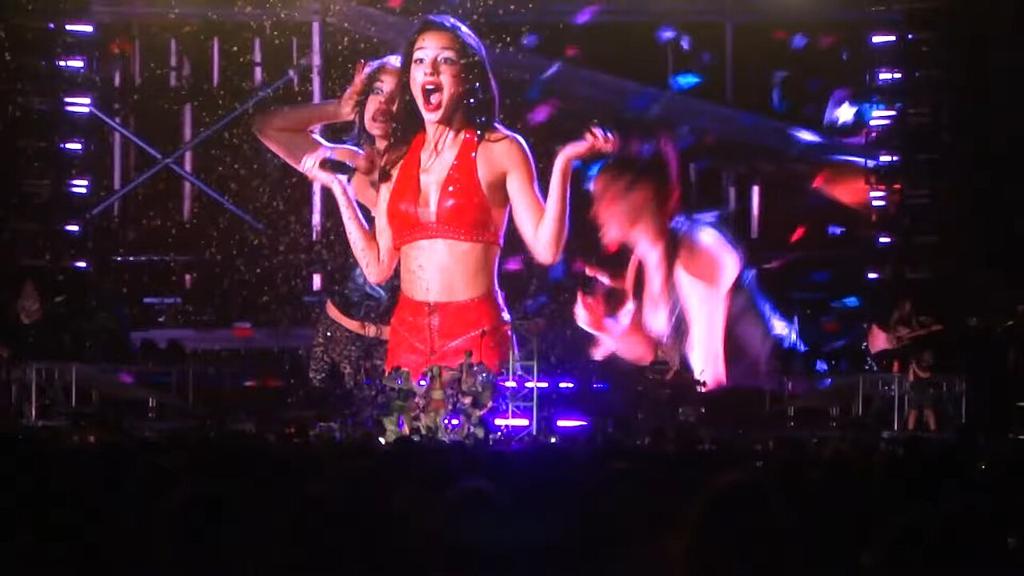
Pop star Olivia Rodrigo announced the Daisy Chain Fields Festival, an all-female music event scheduled for August 29 in Irvine, California, with proceeds directed to organizations that advocate for women and girls. The festival will feature 17 female artists and bands, and Rodrigo stated that "100% of the net proceeds from tickets will go towards charities that advocate for women and young girls."
Explainer The Complex Legal Landscape of Abortion Laws After Dobbs
However, the choice of beneficiaries has drawn criticism, particularly from those who argue that some of these organizations promote agendas contrary to the interests of women. Critics contend that several of the charities supported by the festival, including Planned Parenthood and the National Women’s Law Center (NWLC), are linked to abortion rights and transgender advocacy, which they claim undermine the rights of biological women.
The festival's lineup includes prominent artists known for their support of abortion rights. For instance, Stevie Nicks has previously stated that her decision to have an abortion was pivotal to her career, claiming, "If I had not had that abortion, I’m pretty sure there would have been no Fleetwood Mac."
Controversial Beneficiaries
Among the ten charities receiving funds from the festival, five are focused on abortion services, raising concerns among some groups about the implications of such support. Critics argue that organizations like Planned Parenthood, which has faced scrutiny for its practices, do not align with the festival's purported goal of empowering women. They assert that funding these groups contradicts the festival's mission to uplift women and girls.
Supporters of the festival argue that it is essential to provide women with choices regarding their reproductive health. They contend that organizations like Planned Parenthood offer vital services that go beyond abortion, including health care and education. However, this perspective has not quelled the backlash from those who feel that the festival's support for these organizations is misguided.
The Broader Debate
The controversy surrounding the festival reflects a broader national debate over women's rights, reproductive health, and transgender issues. Critics of the NWLC, which is also a beneficiary of the festival, argue that the organization promotes ideologies that prioritize transgender rights over the rights of biological women. They cite statements made by the NWLC that encourage support for transgender individuals, claiming that such positions undermine the experiences and rights of women.
In response to the criticism, representatives from the festival and the organizations involved have not publicly addressed the concerns raised by opponents. This silence has led to further speculation about the motivations behind the festival and its alignment with women's rights.
Artist Perspectives
Several artists participating in the festival have been vocal about their support for abortion rights and LGBTQ+ issues. For example, Chappell Roan, known for her advocacy for LGBTQ+ rights, is among the performers scheduled to appear. Critics argue that the festival's messaging may mislead young attendees into believing that supporting these organizations is synonymous with supporting women's rights.
The festival's organizers maintain that the event is intended to celebrate female empowerment and provide a platform for women in the music industry. They emphasize that the funds raised will support various initiatives aimed at improving the lives of women and girls, despite the contentious nature of some of the beneficiary organizations.
As the festival approaches, the debate over its implications for women's rights and the organizations it supports is likely to continue. Supporters of Rodrigo and the festival argue that it is a step forward for female artists, while critics remain concerned about the potential consequences of aligning with certain advocacy groups.
The Daisy Chain Fields Festival is set to take place in a climate of heightened scrutiny over women's rights and reproductive health, making its impact and messaging all the more significant as it unfolds.