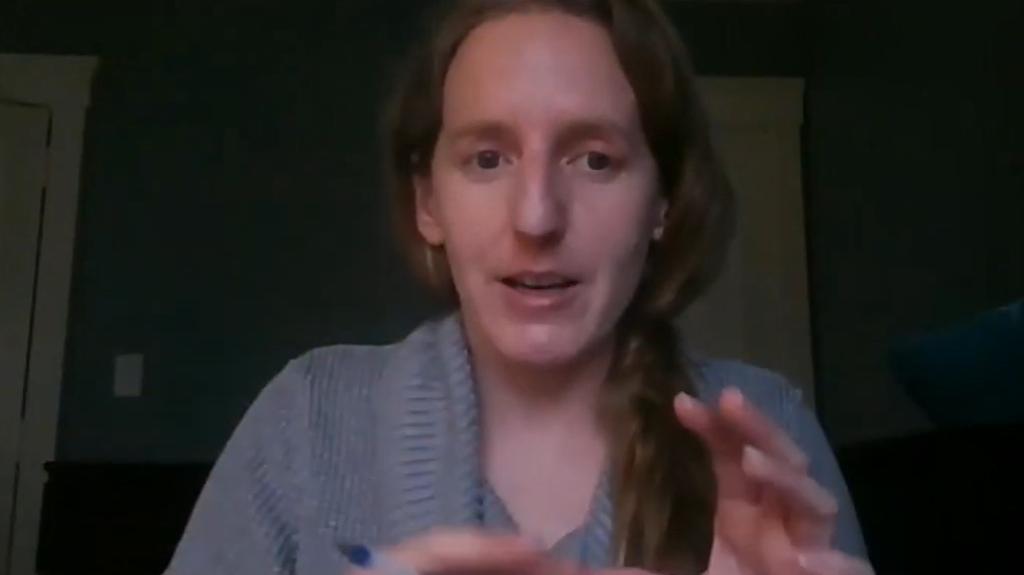
Catholic bishops are urging the University of Notre Dame to rescind its recent appointment of Susan Ostermann, who is an outspoken advocate for abortion rights, to lead the Liu Institute for Asia and Asian Studies. The bishops argue that Ostermann's views are fundamentally incompatible with the Catholic mission of the university, which has faced increasing scrutiny over its commitment to Catholic teachings amid a growing emphasis on diversity, equity, and inclusion (DEI).
Explainer The Complex Legal Landscape of Abortion: State Laws, Federal Shifts, and Cultural Battles
Bishops Urge Notre Dame to Reconsider Appointment of Pro-Abortion Professor
The core tension arises from the clash between Ostermann's pro-abortion advocacy and the Catholic Church's pro-life teachings. This situation raises significant questions about the integrity of Notre Dame's identity as a Catholic institution. Critics assert that her appointment undermines the university's mission and values, while supporters of Ostermann's academic freedom argue for the importance of diverse perspectives in higher education, suggesting that a range of viewpoints can enrich academic discourse.
Background and Reactions
Earlier this year, Notre Dame announced Ostermann's appointment, which is set to take effect on July 1. Ostermann has publicly criticized the Catholic Church's stance on abortion, claiming that pro-life beliefs are rooted in "white supremacy and racism." She has also asserted that pro-life pregnancy centers are harmful to women, which has drawn significant backlash from various religious leaders. Bishop Kevin C. Rhoades of the Diocese of Fort Wayne-South Bend expressed his disapproval of her views, stating, "These are all outrageous claims that should disqualify her from an administrative and leadership role at a Catholic university."
Rhoades also highlighted Ostermann's work as a consultant for the Population Council, an organization known for promoting abortion globally. He noted that the council has been linked to controversial population control policies in China and has played a role in the approval of the abortion pill by the FDA. "It has been instrumental in securing approval of the abortion pill by the FDA, which is responsible for the majority of abortions in the United States," Rhoades stated, emphasizing the implications of Ostermann's associations.
The Liu Institute, which Ostermann will lead, endorses the principle of "integral human development," a key tenet of Catholic social teaching. Rhoades criticized Ostermann for allegedly misrepresenting this principle to support her pro-abortion agenda, stating, "The Holy See continues to defend the 'right to life' as one of the core pillars of integral human development." This assertion underscores the ongoing debate about how Catholic teachings are interpreted and applied within academic settings.
Other Catholic leaders, including Archbishop Samuel J. Aquila of Denver and Bishop Robert Barron of Winona-Rochester, have echoed Rhoades' concerns, emphasizing the importance of maintaining the university's Catholic identity. Despite the backlash from the bishops and other Catholic leaders, Notre Dame has not publicly responded to the bishops' statements or addressed the criticisms surrounding Ostermann's appointment.
The university has faced ongoing challenges to its Catholic identity, particularly as it has increasingly prioritized DEI initiatives. Critics argue that this shift has diluted the school's commitment to its Catholic mission, with some claiming that the focus on race and gender quotas has overshadowed the hiring of faculty who align with Catholic values. Last year, Notre Dame removed references to its Catholic mission from its staff values, prompting backlash from both media and the Catholic community. Although university leaders later reinstated the language, concerns about the institution's commitment to its Catholic identity persist.
Notre Dame Provost John McGreevy has stated that the university's commitment to DEI is "equally important" as hiring Catholic faculty, a position that has drawn criticism from those who believe it compromises the school's mission. Indiana Attorney General Todd Rokita has even launched a civil rights investigation into the university's hiring practices, further complicating the situation and raising questions about the university's adherence to its stated values.
As the debate continues, the appointment of Susan Ostermann remains a focal point for discussions about the future of Catholic education in the United States. The bishops' call for Notre Dame to reconsider her appointment highlights the ongoing struggle between academic freedom and adherence to religious principles in higher education, a conflict that is likely to resonate within the broader context of Catholic institutions across the nation.