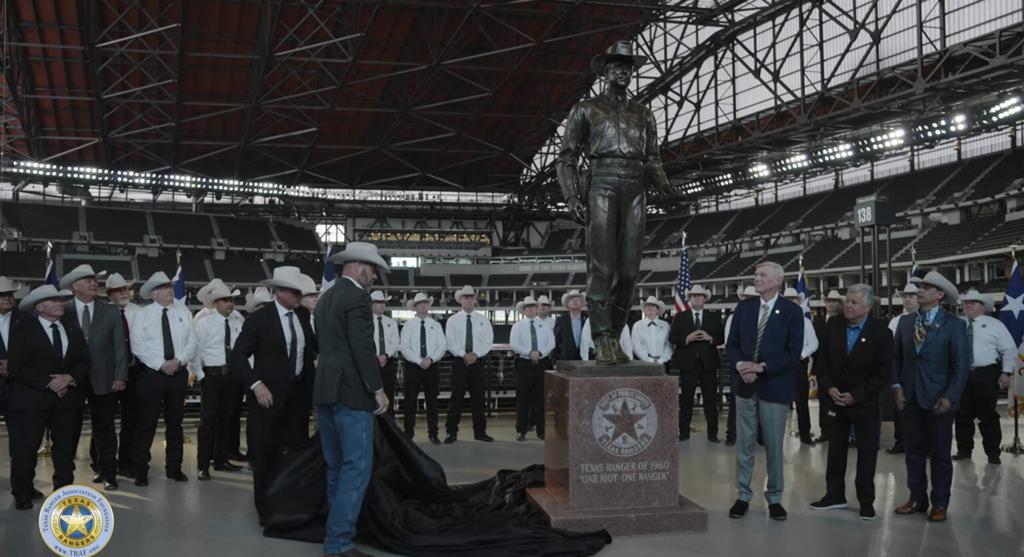
The New York Times' sports section, The Athletic, has recently come under fire for its coverage of a statue located at the Texas Rangers' stadium. This statue, which some critics assert symbolizes a controversial past, has sparked a significant debate. The article, authored by Sam Blum, specifically questions the rationale behind the Rangers honoring a figure associated with a troubled history, namely Jay Banks, a Texas Ranger linked to segregationist actions during the Civil Rights Movement.
Explainer Understanding Immigration Enforcement: Policies and Controversies
The core tension in this discussion arises from the juxtaposition of historical representation and contemporary values. Critics argue that celebrating figures with contentious legacies can perpetuate societal divisions and hinder progress toward equality. On the other hand, supporters of the statue contend that it reflects a part of Texas history that should not be erased or forgotten. This divergence in perspectives highlights the complexities involved in commemorating historical figures in today's society.
The statue's unveiling has ignited a broader discussion about how sports teams navigate their historical narratives in a rapidly changing cultural landscape. Blum's article suggests that the statue's presence at the stadium has caused outrage among certain groups. However, it notably fails to provide substantial evidence of significant public dissent regarding the statue's implications.
Public Reaction
While Blum describes a supposed controversy surrounding the statue, he notes that many fans visiting the stadium appear largely unfazed by its presence. There is a steady stream of visitors taking photos in front of it, indicating a level of acceptance or indifference. One fan quoted in the article expressed a positive view, stating, "I think it’s a good thing." This raises important questions about the actual level of public concern regarding the statue and its implications for historical memory.
Critics of Blum's framing argue that the article misrepresents the public's sentiment toward the statue. Ilya Shapiro, a legal scholar, remarked on social media, "It’s a Texas Ranger in front of the stadium of the Texas Rangers. Hope that helps." This comment underscores the perception that the controversy may be overstated and that the statue is simply a representation of local history rather than a symbol of division.
Media and Cultural Commentary
Marc Andreessen, a prominent Silicon Valley entrepreneur, commented on the changing dynamics of cultural criticism, suggesting that the effectiveness of such hit pieces has diminished over time. He stated, "The cultural engine of the hit piece was dead," implying that attempts to provoke outrage are increasingly met with indifference from the public. This observation raises questions about the role of media in shaping public discourse around contentious issues.
Blum's article attempts to frame the statue as a focal point of societal trauma; however, it lacks substantial evidence of public backlash. Major League Baseball (MLB) declined to comment on the statue when approached by Blum, stating that decisions about displays at ballparks are left to individual teams. This response indicates that the league does not view the statue as a pressing issue, further complicating the narrative surrounding the controversy.
Broader Implications
The discussion surrounding the Texas Rangers statue reflects a larger cultural debate about how historical figures are commemorated in public spaces. Critics of the statue argue that it represents a painful legacy that should not be celebrated, while supporters believe it is an integral part of Texas history that deserves recognition. The lack of significant public outcry, as evidenced by Blum's own observations, raises questions about the validity of the controversy and the motivations behind the criticism.
As the debate continues, it remains to be seen how the Texas Rangers and other sports teams will navigate the complexities of honoring historical figures while addressing contemporary societal values. The response from fans and the broader community will likely shape future discussions on similar issues, influencing how history is remembered and represented in public spaces. The ongoing dialogue surrounding this statue serves as a microcosm of the larger cultural conversations taking place across the nation, highlighting the challenges of reconciling the past with present values.