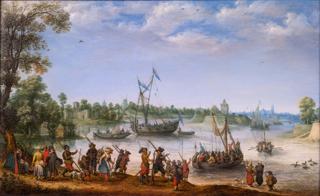
As the United States prepares to celebrate its 250th anniversary in 2026, a curated list of 12 essential books has been released to help readers engage with the nation’s history. The selections span three critical eras: the American Revolution, the Antebellum period, and the Civil War, aiming to deepen understanding of the events and figures that shaped the country.
The list, compiled by The Federalist, emphasizes the importance of historical knowledge for those who identify as patriots. "If you call yourself a patriot, you need to have a robust knowledge of these critical eras," the article states, underscoring the stakes of historical literacy in contemporary society.
Key Selections from the Revolutionary Era
Among the highlighted titles is "The Glorious Cause" by Robert Middlekauff, which offers a comprehensive overview of the American Revolution from 1763 to 1789. The book covers pivotal events such as the Boston Tea Party and the signing of the Declaration of Independence. Middlekauff’s work is recommended for those seeking a foundational understanding of the era.
Another significant entry is "Founding Brothers" by Joseph Ellis, which explores the complex relationships among the Founding Fathers. Ellis writes about the rivalries and debates that shaped the early republic, stating, "This book helps peel back the mystique around the founders without giving in to the full-on revisionism that is in vogue today."
Biographies of Influential Figures
The list also features notable biographies, including "Thomas Jefferson: The Art of Power" by Jon Meacham. This biography delves into Jefferson's multifaceted legacy, capturing his brilliance and complexities. Meacham’s portrayal highlights Jefferson’s significant role as the primary author of the Declaration of Independence.
David Hackett Fischer’s "Washington’s Crossing" recounts George Washington’s daring maneuver across the Delaware River in December 1776. Fischer emphasizes the importance of this event in revitalizing the American Revolution, stating that it was a moment of endurance and perseverance against overwhelming odds.
The Antebellum and Civil War Periods
Transitioning to the Antebellum period, H.W. Brands’ "Heirs of the Founders" examines the influential leaders who shaped American politics between the founding generation and the Civil War. Brands focuses on figures like Andrew Jackson and Henry Clay, illustrating their contributions and the political landscape of the time.
David McCullough’s "The Pioneers" shifts the focus to America’s westward expansion, detailing the settlement of Marietta, Ohio. McCullough captures the spirit of exploration and the challenges faced by early settlers, emphasizing the broader narrative of Manifest Destiny.
William Freehling’s two-volume work, "The Road to Disunion," provides an in-depth analysis of the factors leading to the South’s secession. Freehling’s exploration of Southern perspectives on secession aims to foster understanding, even among those who may not agree with the rationale. He notes, "Though you may not sympathize with Southerners’ reasoning for secession, you understand it and acknowledge that the reasoning makes sense at the time from the Southerners’ perspective."
The Importance of Historical Engagement
The list concludes with a call to engage with the original writings of the Founders, including the Declaration of Independence and The Federalist Papers. The article argues that reading these foundational texts is essential for all Americans, as they encapsulate the ideals and debates that continue to resonate today.
While the list has been well-received, some critics argue that it may overlook more contemporary perspectives on American history. Supporters of the selections maintain that these works provide a necessary foundation for understanding the nation’s past. As the anniversary approaches, the emphasis on historical literacy remains a vital topic of discussion.