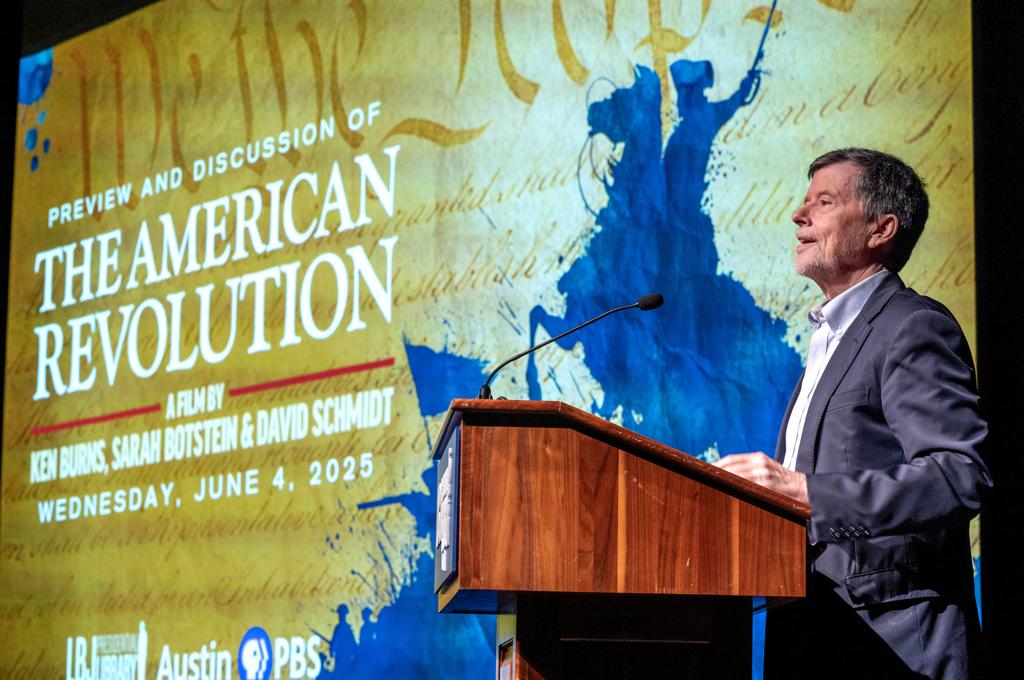
As the Quarter-Millennial anniversary of American independence approaches, Ken Burns's new documentary, 'The American Revolution,' set to premiere on November 16, aims to provide a comprehensive overview of this pivotal period in U.S. history. The film covers the years 1775 to 1783, detailing the strategies, politics, and hardships faced by both combatants and civilians during the American Revolutionary War. Burns emphasizes the sacrifices made by the founders and ordinary soldiers, aiming to inspire gratitude among viewers for their contributions to American independence.
Burns describes his goal as returning audiences to America's 'origin story,' highlighting themes of patriotism, courage, and perseverance. He also addresses the complexities of the era, including the moral dilemmas surrounding slavery and the relationships with Native American allies. Critics may find the film's focus on these issues excessive, but Burns argues that a nuanced portrayal of history is essential for understanding the nation's past.
The documentary is expected to resonate with both young and older audiences, potentially rekindling a sense of appreciation for the founding generation. The New York Times notes that Burns's approach contrasts with a more simplistic view of history, suggesting that it provides a more balanced perspective on America's complex narrative.
In an interview, Burns highlighted George Washington's pivotal role in the Revolution, asserting that without him, the United States would not exist. The film aims to restore Washington's legacy, showcasing his leadership and dedication to republican ideals. Burns remarked on Washington's sacrifices, noting that he spent much of the war away from home, risking not only his life but also his fortune and honor.
The documentary illustrates the precarious nature of the Revolution, emphasizing moments when the patriots faced near defeat. Episode three, in particular, recounts the dire situation in New York and Washington's daring decision to cross the Delaware River, which ultimately turned the tide in favor of the American forces. These narratives, often overlooked in contemporary education, are crucial for understanding the challenges faced by the Revolutionaries.
While the film is largely well-received, some critiques arise from the perspectives of certain academics featured in the documentary. Some commentators label Washington as an 'enslaver,' a term that has sparked debate regarding historical accuracy. Others suggest that the Revolution was primarily about land, a claim that Burns's narrative challenges by emphasizing the broader quest for freedom and self-governance.
The documentary concludes with a quote from Benjamin Rush, suggesting that 'the revolution is not over,' a statement that some interpret as a call for ongoing progress. However, the film's overall message advocates for the preservation of the Constitution and the ideals upon which the nation was founded, countering calls for radical transformation.
Burns's documentary is poised to be a significant contribution to the Quarter-Millennial celebrations, reminding viewers of the importance of liberty and the remarkable story of America's founding. As the nation reflects on its history, 'The American Revolution' serves as a timely reminder of the sacrifices made for independence and the enduring legacy of the founding generation.