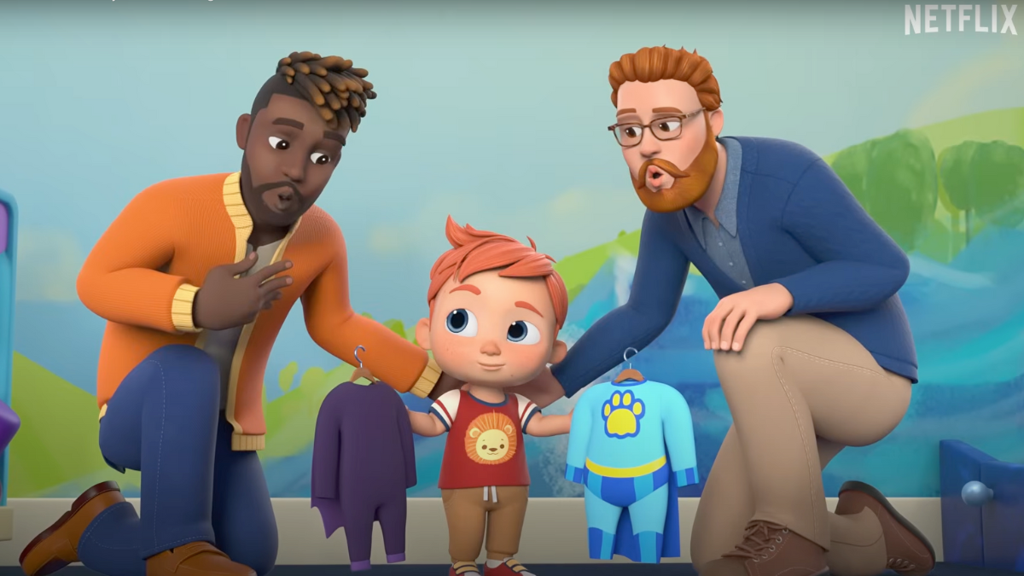
Concerns are mounting over the inclusion of LGBT themes in children's programming, particularly following recent criticisms aimed at Netflix. Influential figures, including Elon Musk and Utah Senator Mike Lee, have voiced their disapproval of certain shows that feature LGBT content aimed at young audiences, suggesting that such programming may be inappropriate for children.
Explainer Understanding the Transgender Discourse: Rights, Policies, and Challenges
The controversy intensified after a Netflix cartoon depicting a young boy dressing in a dress to perform for his two fathers drew significant backlash from conservative commentators. Critics argue that this type of content is indicative of a broader agenda to introduce children to LGBT themes at an early age.
Senator Mike Lee stated, "We need to protect our children from content that is not age-appropriate. It’s crucial that we maintain a standard for what is shown to our kids." (Www.neh — neh.gov) This sentiment reflects a growing concern among some parents and lawmakers about the influence of media on children's understanding of gender and sexuality.
In response to the backlash, Netflix's stock price has reportedly experienced a decline, raising questions about the potential long-term impact of this controversy on the company's financial health. Some analysts speculate that the situation could mirror the backlash faced by Bud Light earlier this year, when the brand faced significant consumer pushback over its marketing strategies.
Supporters of LGBT representation in media argue that such portrayals are essential for fostering acceptance and understanding among children. They contend that representation helps normalize diverse family structures and identities. A spokesperson for Netflix defended the programming choices, stating, "Our goal is to reflect the diversity of the world we live in, and that includes showcasing different family dynamics." (Www.neh — neh.gov)
The debate over LGBT content in children's programming has sparked broader discussions about the implications of the sexual revolution and its influence on societal norms. Critics of the LGBT movement argue that the push for inclusion has extended beyond adults, encroaching on the lives of children who may not yet be equipped to understand complex issues of gender and sexuality.
Nathanael Blake, a senior contributor to The Federalist, expressed concern that the LGBT agenda is being presented to children without adequate context. He remarked, "What children are shown can shape not only their view of sexual morality but also their sexuality itself. We should not be surprised by this formative influence." (Www.neh — neh.gov)
The controversy also highlights a perceived disconnect between the promises made during the campaign for same-sex marriage and the current trajectory of the LGBT movement. Many who supported same-sex marriage did so with the belief that it would not affect children or family structures. However, the increasing visibility of transgender issues and the inclusion of LGBT themes in children’s media have led some to question the initial assumptions about the movement's intentions.
As the debate continues, some advocates for traditional values are calling for a reevaluation of how sexuality is presented to children in media. They argue that a focus on more traditional family values and moral teachings could provide a counterbalance to the current trends in children's programming.
In conclusion, the discussion surrounding LGBT content in children's programming is likely to persist as parents, lawmakers, and media companies navigate the complexities of representation, morality, and the influence of media on young audiences. The outcome of this debate may shape the future of children's entertainment and the broader cultural landscape.