A recent report by Concerned Women for America (CWA) claims that 41% of children's shows on Netflix contain LGBT content. This statistic has prompted concerns from some parents regarding the potential cultural impact on young viewers. Critics argue that this trend represents a significant shift in children's programming, which has traditionally focused on educational content and the development of social skills. The CWA's analysis indicates that both G-rated and TV-Y7-rated series on Netflix are increasingly incorporating LGBT themes. This suggests a deliberate effort to normalize these values among impressionable audiences, raising questions about the appropriateness of such content for children.
According to the report, this trend is not limited to new programming; even established shows like "Magic School Bus" and "Fairly OddParents" have added LGBT characters. This inclusion reflects a broader movement within the entertainment industry to embrace diversity and representation, but it has also sparked a backlash from parents who feel that such themes should not be introduced to children at a young age.
Cultural Concerns
Key Details
Television producers have long recognized the profound influence of children's programming on cultural norms and societal values. By age four, 58% of children own a video tablet, according to Common Sense Media. This statistic underscores the importance of parental scrutiny regarding the content their children consume. Penny Nance, the CEO and President of CWA, expressed concern in a letter to Netflix Co-CEO Theodore Sarandos, stating, "No parent wants to be forced to have a conversation about adult sexual preferences or gender identity with their child because of a cartoon." This sentiment reflects a broader anxiety among parents about the timing and context of discussions related to sexuality and identity.
Background and Reactions
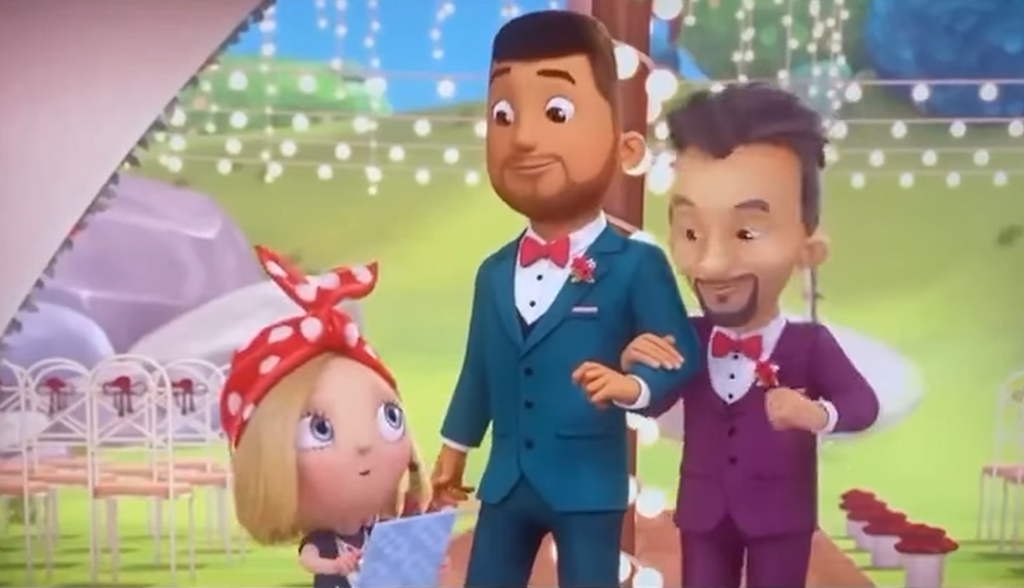
The report highlights specific examples of shows that have incorporated LGBT themes, such as the Netflix series "Ada Twist, Scientist," which features a storyline about a wedding between two men. Critics argue that such content is inappropriate for young audiences, suggesting that it may not be suitable for the developmental stage of the children watching these programs. Lila Rose, a prominent anti-abortion activist, tweeted about the show, labeling it a form of "sexual indoctrination of innocent children." This perspective illustrates the concerns some parents have regarding the potential for media to influence children's understanding of complex social issues too early in their lives.
Industry Trends
The increase in LGBT representation in media is part of a broader trend encouraged by organizations like the Gay & Lesbian Alliance Against Defamation (GLAAD). Their annual report noted a 4% increase in LGBT characters across television, with a significant portion aimed at younger audiences. This trend has raised alarms among some parents who believe that discussions about sexuality should occur at home and on their own terms, rather than being introduced through children's programming.
Some parents feel that the inclusion of LGBT themes in children's programming is an attempt to change cultural norms without parental consent. The CWA report states, "Audiences may have become inured to such content on sitcoms and dramas intended for adult audiences; they might reasonably have assumed that children’s programming would be exempt from identity politics." This statement reflects a growing concern that children's media is becoming a vehicle for social change, which some parents may not support.
Netflix's Response
While the CWA has reached out to Netflix for dialogue regarding its children's programming, the company has not publicly responded to the group's concerns. Critics of the report argue that the inclusion of diverse characters and themes can promote acceptance and understanding among children. Supporters of LGBT representation in media contend that it is essential for fostering inclusivity and reflecting the diversity of society. They argue that exposure to different identities can help children develop empathy and a broader worldview.
The debate over LGBT content in children's programming continues to be contentious, with parents divided on the appropriateness of such themes for young viewers. As streaming platforms like Netflix expand their libraries and continue to produce original content, the conversation around the influence of children's media on cultural values is likely to intensify. This ongoing discussion highlights the challenges of balancing representation and parental concerns in an ever-evolving media landscape.