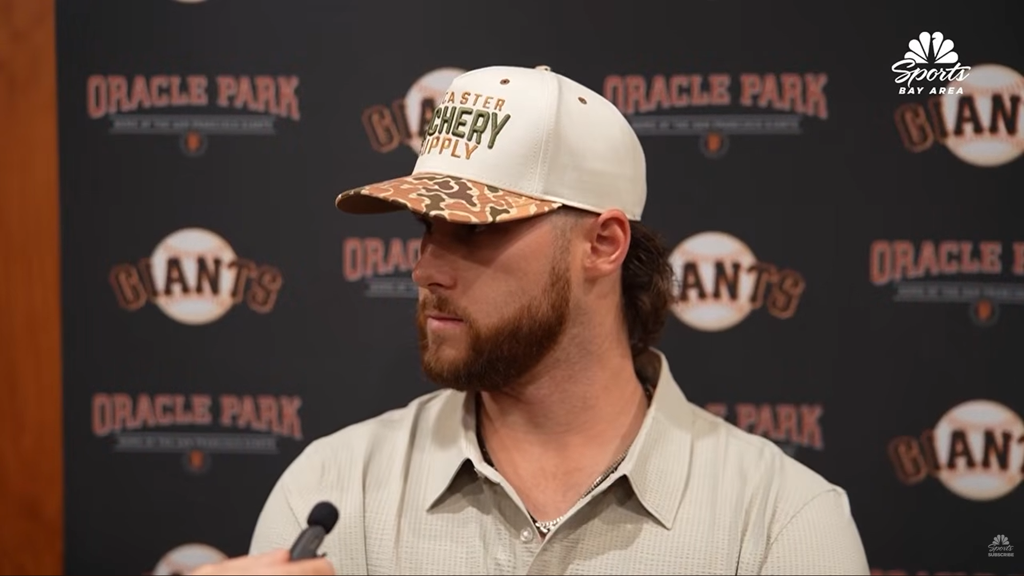
San Francisco Giants pitchers Landen Roupp, JT Brubaker, and Ryan Walker inscribed Bible verses on their hats during the team's Pride Night event, sparking backlash from some media and LGBTQ advocates. The players' actions have ignited a debate over the intersection of religious expression and LGBTQ pride celebrations.
Explainer Christianity in American Culture: Faith, Conflict, and Freedom of Expression
The incident underscores the ongoing tensions between religious beliefs and the push for LGBTQ inclusion, particularly in spaces traditionally seen as supportive of the latter. Critics argue that the players' actions detracted from the spirit of the event, while supporters contend that they have the right to express their faith openly.
During the Pride Night event, which featured same-sex couples renewing their vows and performances by LGBTQ-affirming groups, Roupp, Brubaker, and Walker chose to inscribe variations of Genesis 9:12-16 on their hats. This biblical passage references God's covenant symbolized by a rainbow, which the players said was meant to convey a message of hope and faith. Pitcher Sam Hentges opted not to wear the rainbow-themed hat at all, stating that he felt morally compelled to abstain from the event's symbolism.
After the game, Roupp defended his decision, saying, "It’s just about God’s covenant and a promise that He makes to us. Thankfully we live in a country where we have the freedom to believe what we want." Hentges echoed this sentiment, asserting, "There wasn’t any hatred behind it. It’s just something that I feel like I was forced to support when I don’t morally support it."
Media Reactions
The players' actions drew sharp criticism from some media commentators. Grant Brisbee, a writer for The Athletic, described the players' inscriptions as a "tone-deaf response" to a night meant for community unity. He argued that the players made the event about division rather than inclusion, stating, "They made the night about ‘us versus them.’ That’s the only thing they could see."
Cyd Zeigler, co-founder of the LGBTQ sports outlet Outsports, characterized the players' actions as an attack on the LGBTQ community. He claimed that the players were attempting to "steal away the only symbol the LGBTQ community has to unite us: the rainbow." Zeigler's comments reflect a broader concern among some LGBTQ advocates that expressions of faith can undermine the visibility and acceptance of LGBTQ identities.
Support and Criticism
Supporters of the players argue that their actions are a legitimate expression of their religious beliefs. They contend that the backlash reflects a growing intolerance for differing viewpoints in public discourse. Many believe that the players should not be penalized for their faith, especially in a country that values freedom of expression.
However, critics maintain that the players' actions were inappropriate for the context of Pride Night, which is intended to celebrate LGBTQ identities and foster inclusivity. They argue that the players' inscriptions could alienate members of the LGBTQ community who may feel that their identities are being challenged or dismissed.
As the debate continues, the Giants organization has not publicly commented on the incident or the players' actions. The lack of an official response leaves room for speculation about how the team will navigate the complexities of inclusivity and religious expression in the future.
The incident highlights the challenges faced by individuals and organizations in balancing diverse beliefs and identities in public spaces. As discussions around LGBTQ rights and religious freedoms evolve, the Giants players' actions serve as a focal point for ongoing conversations about acceptance and tolerance in society.